Your Windows 11 wallpaper is now ad space for Bing Wallpaper
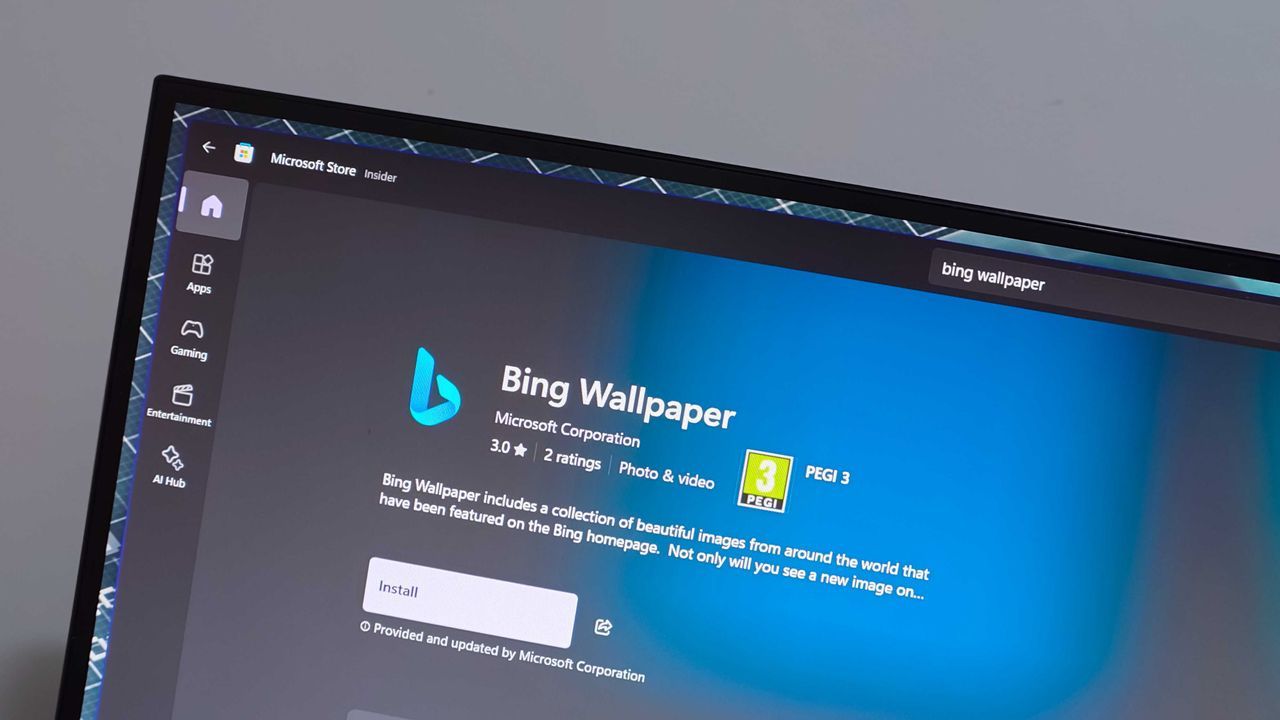
The Price of a Pretty Picture: When Bing Wallpaper Gets Too Promotional
The Bing Wallpaper application has carved out a niche as one of the few delightful additions under the Bing brand, offering users beautiful, rotating desktop backgrounds. It’s a digital oasis, a place where aesthetics meet functionality, and it generally receives high praise for its clean designs.
However, this charming application has recently found itself in the spotlight for reasons that are far from beautiful. Instead of being celebrated for its visual appeal, users have turned to online forums and Microsoft channels to voice complaints about their personalized wallpapers being hijacked by full-screen advertisements for popular film franchises.
The irony is palpable: a tool designed for visual enjoyment is now battling the intrusion of promotion. Some users have been left staring at desktop backgrounds filled with advertising for collections like Harry Potter and Fantastic Beasts films, sparking debates about what exactly qualifies as an advertisement within the Windows 11 ecosystem.
This brings up a broader question about digital monetization. Where do we draw the line between offering optional features and overwhelming the user experience with promotional content? For instance, prompts to use features like OneDrive are sometimes labeled as ads by some, while others view them simply as optional features—a testament to the subjective nature of what constitutes an intrusion.
The dilemma is amplified because the Bing Wallpaper app already cycles through promotional images tied to movies and games. While this rotational nature is intended to keep things fresh, it sometimes feels like the app prioritizes revenue over pure aesthetic pleasure. Consider the contrast between a wallpaper featuring a dynamic shot of David Corenswet as Superman (2025) and one dedicated to the 11-film Harry Potter collection, which boldly features “AVAILABLE NOW.”
If the app’s goal is to monetize, the execution seems to be missing the mark. A large promotional banner directly on your desktop detracts from the experience rather than enhancing it. Users argue that if Microsoft intends to monetize the service, it should do so in a way that doesn’t crowd the art. As one perspective suggests, tarnishing a well-received application with intrusive ads is simply penny wise, pound foolish.
Ultimately, the experience of Bing Wallpaper highlights a crucial tension in modern software: balancing the commercial necessity of monetization with the desire for an uncluttered, enjoyable user experience. The challenge now lies in finding a way for applications to generate revenue without sacrificing the visual delight that made them so popular in the first place.
Buy on Amazon
Credit
