YouTuber recreates his 1996 PC to escape the AI market
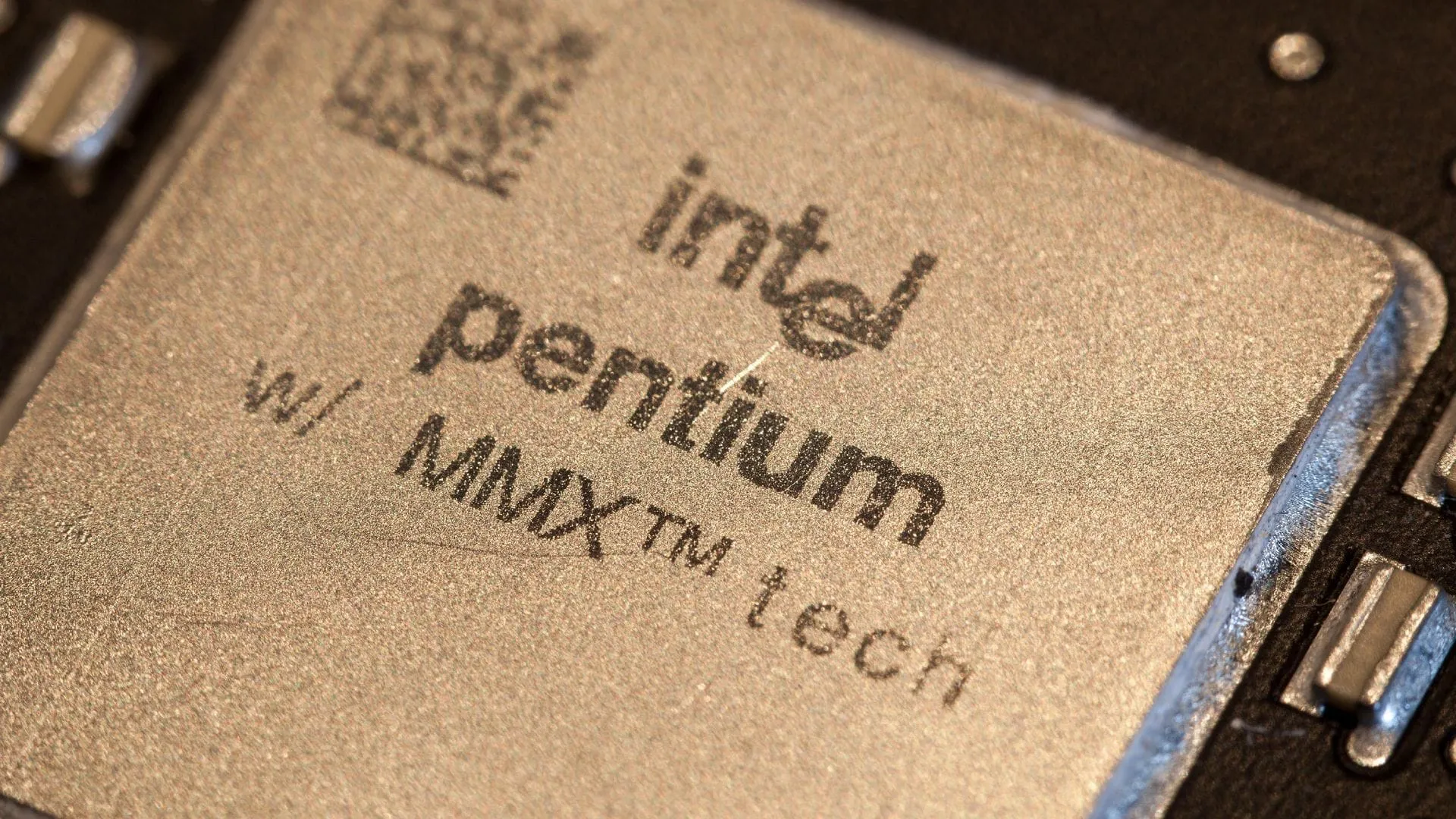
In an era defined by the relentless, often bewildering, march of modern technology—where memory, graphics cards, and storage seem to vanish into the ether—some people look back and yearn for the simplicity of the past. Technology has become an overwhelming beast, and the constant stream of new hardware feels less like innovation and more like an endless, exhausting pursuit.
Tired of the contemporary tech landscape, YouTuber TrashBench (TB) decided to rewind the clock and chase the ghosts of the ‘halcyon days.’ He sought refuge in the simplicity of early computing, embarking on a project that was less about state-of-the-art performance and more about nostalgic recreation: building a facsimile of the very first machine his parents owned in 1996.
This wasn’t just a simple retro build; it was a pilgrimage to the dawn of personal computing. The goal was to recapture the feeling of that first digital adventure, specifically diving into the classic game The Need for Speed: Special Edition.
The foundation of this time machine was humble yet specific. TB started with an Intel Pentium MMX 200 MHz CPU nestled atop an Epox Pronix EP-P55-BT motherboard. This board showcased features that are now relics, including a new, fresh ZIF (Zero Insertion Force) socket. It was during this era of transition from SIMM to DIMM that this machine was born, featuring a modest 32 MB of RAM.
The setup demanded a certain level of finesse. Setting the motherboard jumpers correctly was crucial, as features like automatic CPU speed detection were just emerging. This meant that mastering the configuration was a delicate dance; setting the jumpers incorrectly risked frying the CPU, turning hardware configuration into a high-stakes game.
For visual flair, the graphics were wonderfully basic. TB deployed an S3 Trio32 card, which offered no 3D rendering capabilities whatsoever, though the era was just beginning to introduce 3D acceleration. He eventually upgraded to a Matrox Mystique 3D, still a step away from the visual wonders we expect today, but a huge step forward from nothing.
Storage presented its own quirky challenges. The machine relied on a Western Digital Caviar 22100 hard drive, which held a mere two gigabytes of space and had a reputation for emulating the groaning tones of a jackhammer. As hardware doubled in speed and capacity almost yearly, TB had to engage with limitations, using jumpers to clip the drive to the likely amounts of either 8.4 GB or 33.4 GB, navigating the strange, limited addressing space of the time.
The final touches completed the experience. The build was adorned with an OG Sound Blaster 16 sound card and a CD-ROM drive. After testing the machine with racing classics, the experience moved onto more immersive titles like Microsoft Flight Simulator 98. This quest for immersion led to the addition of a joystick—the beloved Quickshot QS-123—which, like many early components, demanded immediate replacement due to the inherent compromises of the era.
Buy on Amazon
Credit
