Zen 6c EPYC destroys Zen 5 in benchmarks hints at 24% IPC gain
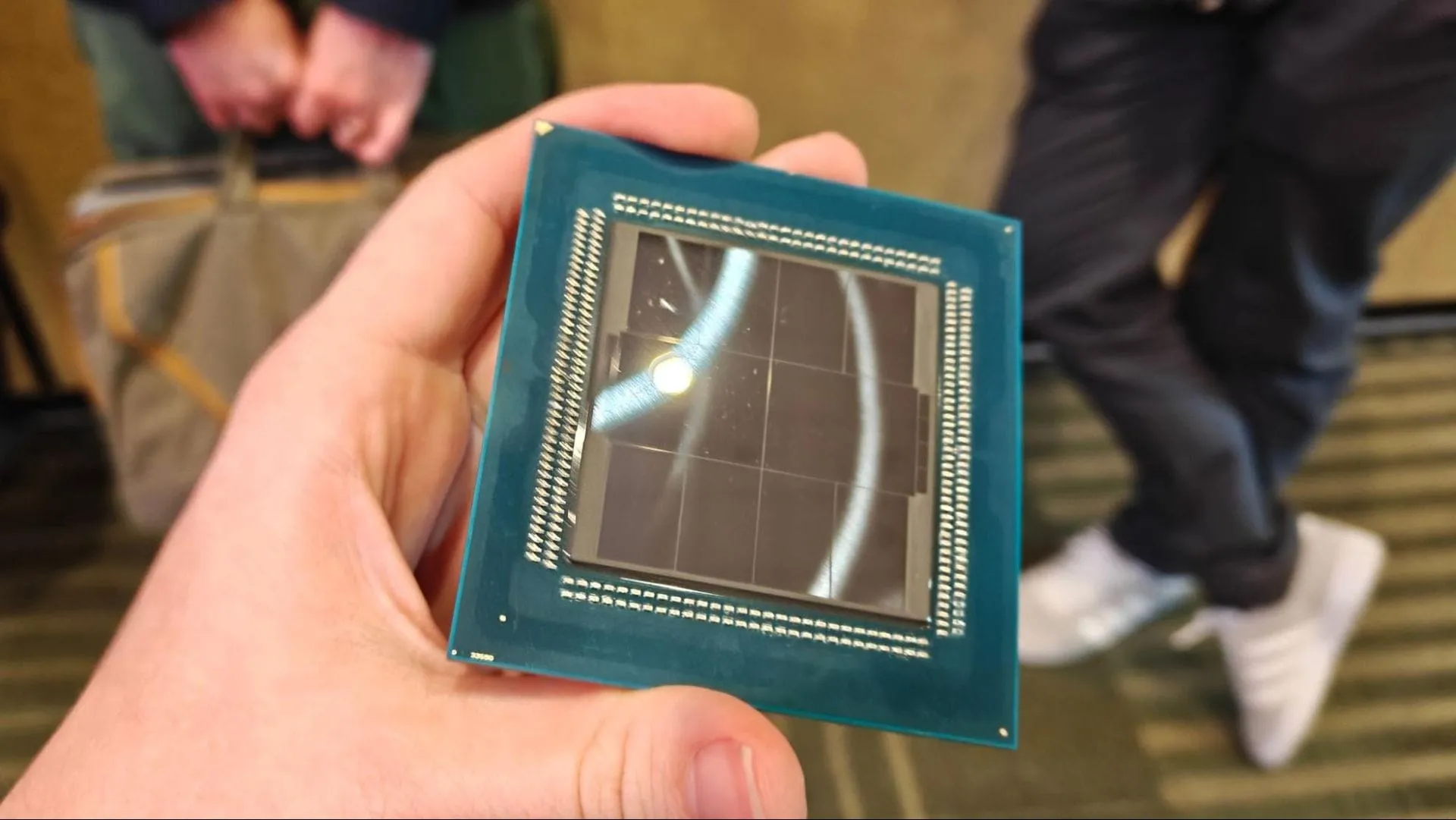
The world of high-performance computing is buzzing, and at the center of the excitement is AMD’s latest generation of processors. While the public is often drawn to the sleek desktop chips, the real revolution is happening in the server realm, where the powerful EPYC 9006 family is setting a new standard.
These aren’t just incremental updates; they represent a massive leap in architectural design. To truly grasp the impact, we have to look at the comparison between the behemoth server processor and the consumer-focused desktop chips. Consider the AMD EPYC 9996, a truly gargantuan server CPU featuring 256 Zen 6c cores spread across eight Monarch CCDs. This chip is designed for raw throughput, boasting a staggering 1GB of L3 cache and a 1024-bit memory bus capable of immense bandwidth.
Directly contrasting this is the consumer-focused Ryzen 7 9700X, built on the Zen 5 architecture. While the desktop chip offers fewer cores, its performance narrative is equally compelling. The comparison isn’t just about core count; it’s about how those cores handle real-world workloads, and how memory latency plays into the equation.
When we look at single-threaded performance tests, the results are striking. Although the specific benchmarks are complex, the data suggests that the Zen 6 architecture delivers a significant edge. The potential for a performance jump, sometimes speculated to be as much as 15% in Instructions Per Clock (IPC), makes this transition fascinating. However, the story goes deeper than raw speed numbers.
It is the architecture itself that dictates the outcome. While the EPYC chip maximizes density and core efficiency, the Zen 6 advancements, particularly in areas like media processing, reveal tangible benefits for desktop users. Gains observed in asset compression, video encoding, and photo editing suggest that the architectural evolution is paying dividends beyond simple clock speeds.
This is where the true magic lies: the focus shifts from theoretical peak performance to practical utility. The results indicate real architectural differences between the Zen 5 and Zen 6 designs that are pushing the envelope. For instance, the noticeable improvements in media handling demonstrate that the new design excels where it matters most for content creation and demanding applications.
The complexity of these advancements means we shouldn’t simply focus on a single metric. The performance gap observed is influenced by memory latency and configuration, yet the overall picture is one of exciting progress. As we await the full rollout, the transition from Zen 5 to Zen 6 promises another substantial evolution, confirming AMD’s trajectory toward high-performance computing.
Buy on Amazon
Credit
