ZenBook 14 meets MacBook Neo with Snapdragon X and OLED
The laptop landscape is undergoing a fascinating shift. Since the launch of the MacBook Neo, Windows Original Equipment Manufacturers (OEMs) have felt the pressure to not just compete, but to directly match the premium design and pricing of their Apple rivals. This pressure has ignited a design and engineering arms race, and now, a new challenger has entered the fray.
Enter ASUS with the ZenBook 14 featuring the Snapdragon X processor. This device isn’t just another Windows laptop; it’s positioned as a serious contender, aiming squarely at the high-end segment by offering a package that rivals the established premium laptops at a highly aggressive price point of $799.
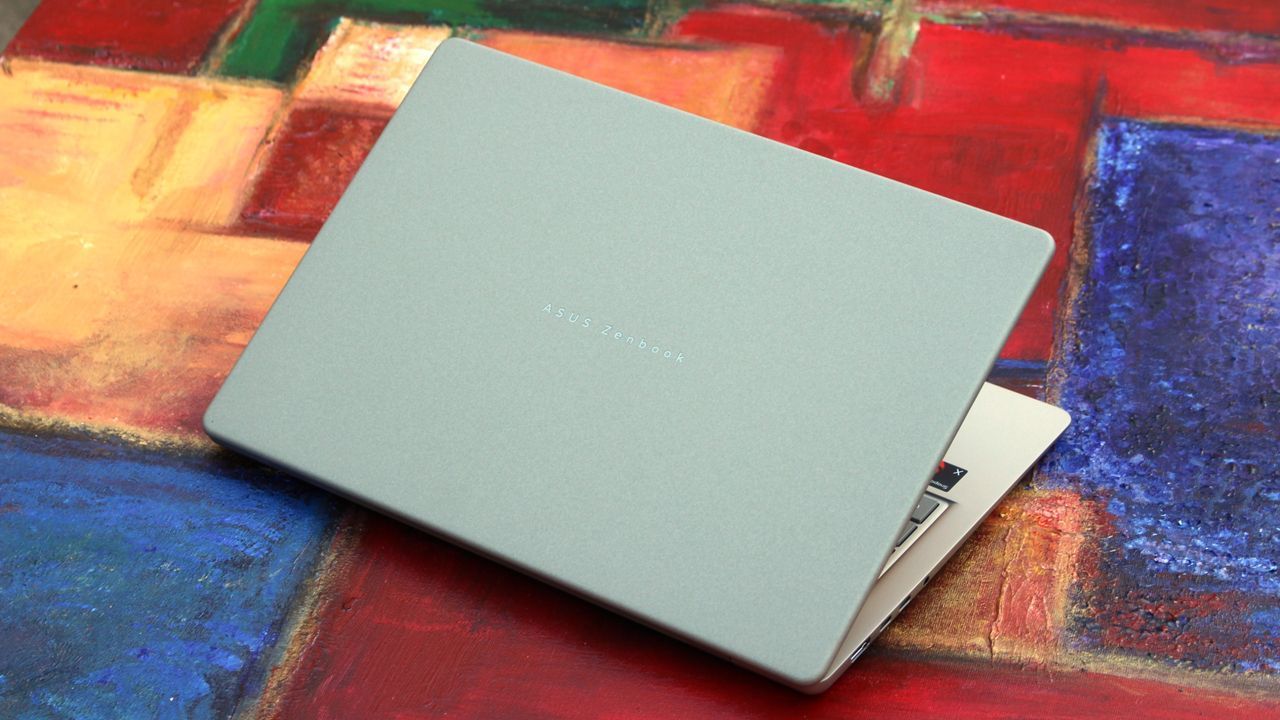
The immediate draw of the ZenBook 14 is its sheer aesthetic. It successfully closes the gap in premium build quality. The chassis is crafted from premium metal, boasting a smooth, cool-to-the-touch finish that exudes quality. While the design philosophy diverges slightly from the MacBook Neo, the result is a laptop that looks and feels undeniably high-end, offering a comfortable and ergonomic experience that makes it a standout in its class.
Inside this sleek package, the display is where the device truly shines. The ZenBook 14 features a 14-inch OLED panel, delivering vivid colors and incredible contrast in a 1080p resolution. This high-definition screen is a game-changer for this price bracket, offering a visual experience that often surpasses competing options, even when factoring in the use of a Snapdragon X chip.
Under the hood, the Snapdragon X 8-core SoC delivers surprising performance for everyday multitasking while prioritizing incredible energy efficiency. This means the ZenBook 14 offers genuinely impressive all-day battery life, allowing users to power through long workdays without constant hunting for an outlet.
Beyond the stunning visuals and efficient performance, the ZenBook 14 packs a surprising amount of practical utility. It is equipped with robust connectivity, including multiple USB-C ports, a full-size HDMI output, and a traditional USB-A port, ensuring easy connectivity to peripherals. The keyboard is equally praised, offering a tactile and smooth typing experience that feels truly lush for the price.
Security and communication features are also polished. The device includes an FHD camera with infrared sensors for Windows Hello face unlock, a feature that adds a layer of biometric security often reserved for much pricier competitors. Coupled with excellent built-in audio, the ZenBook 14 is ready for professional video calls and secure operation.
Of course, no device is perfect. While the ZenBook 14 excels in almost every area, there are a few minor quibbles. The trackpad, while large and smooth, felt slightly less responsive and tactile compared to some high-end competitors. Furthermore, some users noted that the fan can become audible under super intensive loads, a minor trade-off for the overall efficiency.
In conclusion, the ASUS ZenBook 14 is more than just a competitor; it’s a strong entry into the market for premium, high-performance Windows laptops. It successfully proves that stunning design, exceptional displays, and efficient processing can all coexist at the $799 mark, setting a new, exciting benchmark for what Windows can achieve.
Buy on Amazon
Credit