$1000/month to keep AI driving simulator demo running
The promise of artificial intelligence has long been intertwined with the dream of hyper-realistic video games, and now, large language models (LLMs) are poised to revolutionize how non-player characters (NPCs) interact with players. The goal is to create NPCs that are not just reactive, but genuinely conversational and context-aware, capable of driving truly immersive experiences.
While the potential is vast, the road from theoretical concept to polished reality is proving to be a financial and technical minefield. Many early attempts to integrate these sophisticated chatbots into game design have yielded mixed results. For instance, some projects, like Where Winds Meet, have explored this path, but the overall execution has not yet been spectacular.
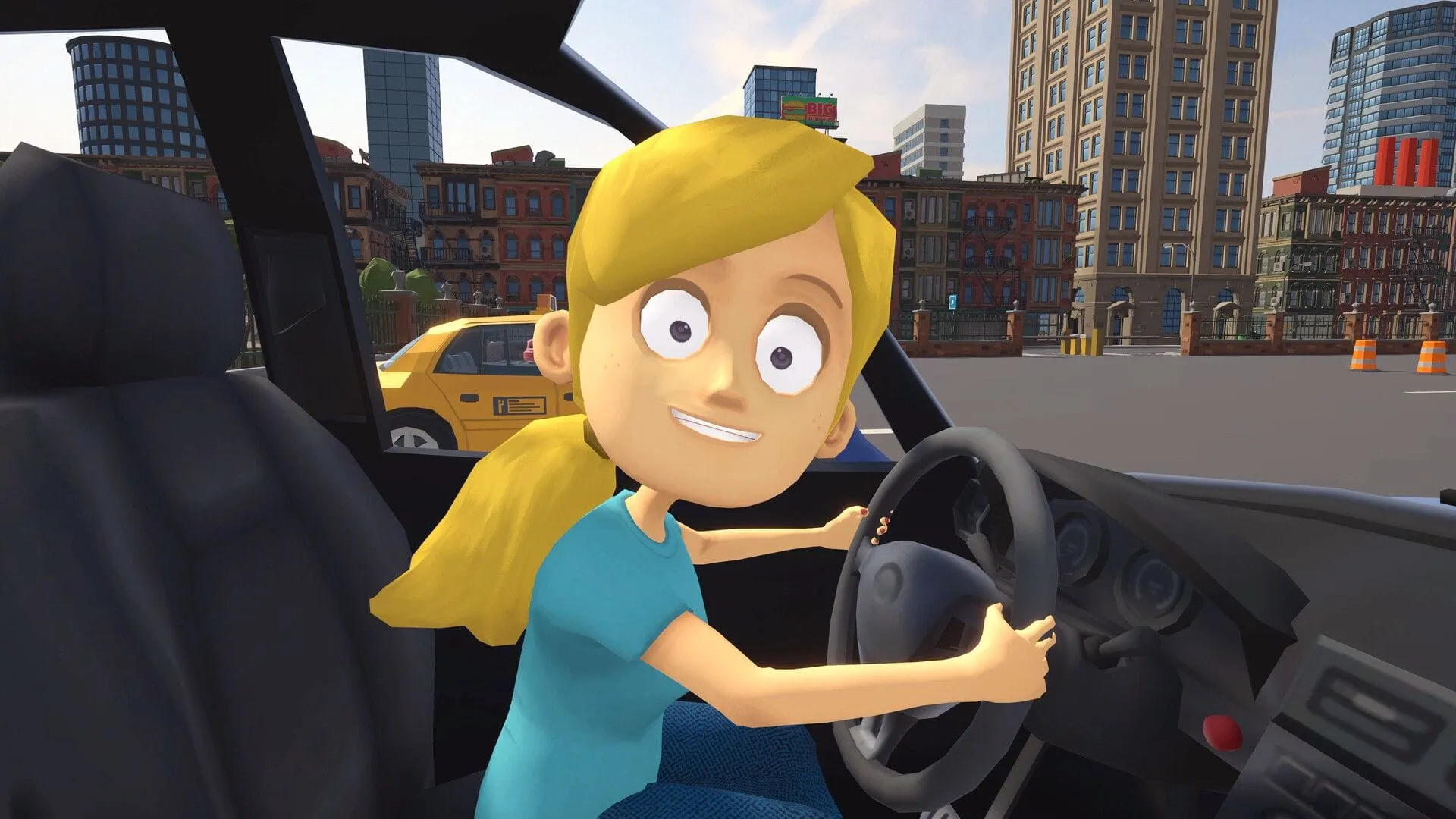
The biggest hurdle facing developers today is the sheer cost of powering these advanced conversational systems. Running LLM-powered NPCs is not cheap, and the expense has recently brought financial strain to game studios. This challenge is acutely visible in simulations attempting to teach skills, such as the comic simulation game, Teach My Little Sister How To Drive.
In this simulation, players act as instructors, conversing with an LLM chatbot positioned behind the virtual sibling’s dinner plate. The chatbot acts as a driving instructor, responding to player commands like “turn left here.” While the concept is engaging, the reality of running the technology reveals the steep price tag. The demo experienced a twentyfold surge in player numbers, bringing over 450 concurrent users. This massive growth immediately translated into enormous operating costs, with developers spending over $1,000 per day on AI services just to maintain the demo.
This token consumption is the core issue. Developers are burning through AI tokens rapidly, leading to significant financial pressure. To keep the demo running, the studio had to seek out a bank loan. The question remains: can this model be sustainable long-term? AI token costs are notoriously unpredictable, making it difficult for even large tech companies to accurately predict their usage rates, raising serious concerns about the long-term viability of these models in commercial gaming.
Beyond the financial anxieties, there are deeper design challenges. For an LLM to truly enhance immersion, the dialogue cannot feel artificial. Developers are grappling with issues where the chatbot’s responses feel clumsy, and where commands are executed incorrectly—such as a virtual car turning right when the player explicitly asked for a left turn. Experts suggest that achieving true realism may require focusing less on the LLM itself and more on rich voice acting and tightly controlled dialogue systems.
Despite the current obstacles, the desire to merge advanced conversational AI with interactive gaming is undeniable. As developers look toward the full release of Teach My Little Sister How To Drive in January, the industry awaits to see if these powerful tools can overcome the current cost and complexity barriers to deliver the seamless, believable NPC interactions we all dream of.
Buy on Amazon
Credit
