7700X3D vs 7800X3D which CPU is worth the trade
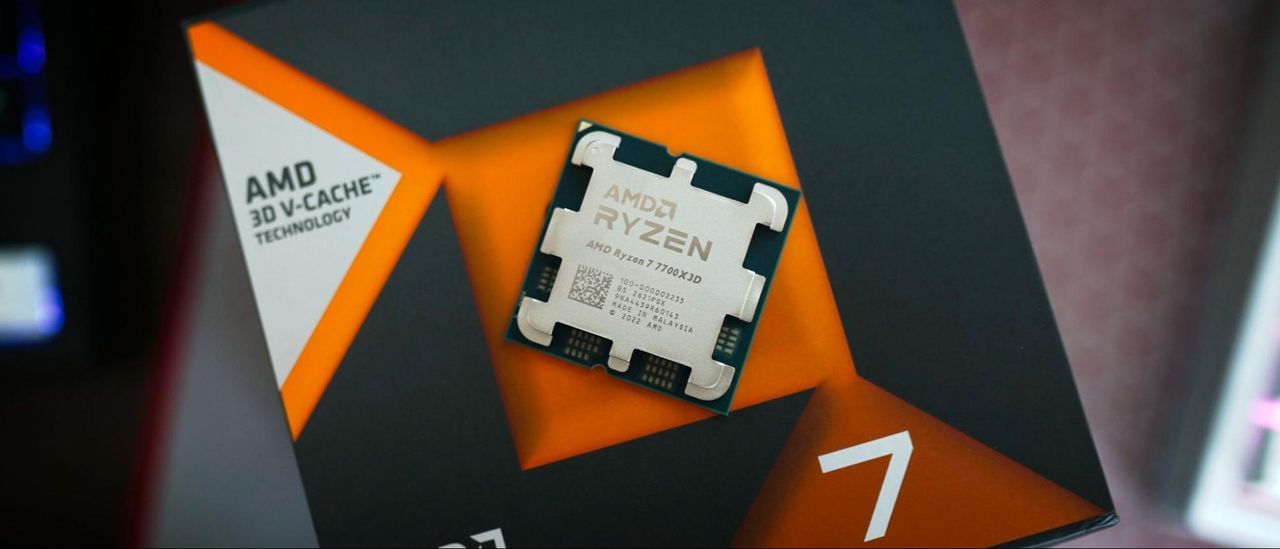
This text provides a detailed comparative analysis of the AMD Ryzen 7700X3D CPU against other competitive processors (primarily Intel’s 270K Plus and 7600X3D, and the 7800X3D), focusing heavily on performance per watt and overall value.
Here are the key takeaways from the analysis:
1. Performance and Efficiency
Gaming Dominance: The X3D stack is overwhelmingly superior in gaming performance. In game scenarios, the difference between the 7600X3D and 7700X3D is negligible (2% slower on average), while it offers similar value to the 7800X3D.
Workload Disparity: While X3D CPUs dominate gaming, efficiency metrics can be skewed when comparing applications that require heavy multi-threading (like Cinebench) versus game performance. The text notes that the difference in application performance margins is much larger than the margin in gaming.
Efficiency vs. Speed Trade-off: The analysis highlights the tension between raw speed and efficiency. While the 7700X3D is efficient, CPUs like the Intel 270K Plus offer significantly higher multi-threaded performance, making efficiency numbers less directly comparable across vastly different workloads.
Idle Power: The 7700X3D performs surprisingly well in idle and active idle power consumption, managing this better than some other Zen 4 chips when transitioning from older platforms.
2. Power Consumption Metrics
Low Consumption: Outside of extreme benchmarks, the 7700X3D demonstrates very low power consumption, often staying below 80W even in heavily threaded tasks.
Workload Correlation: In specific heavy workloads (like Blender and Handbrake), the X3D CPUs run in lockstep, indicating consistent efficiency when performing these tasks together.
3. Value and Pricing Analysis (The Core Argument)
The central argument revolves around the value proposition of the 7700X3D in the current market:
Pricing Justification: The text suggests that the $330 price point for the 7700X3D is only justifiable if a user ignores sales and newer releases (like Arrow Lake Refresh).
Better Value Options: The comparison concludes that the 7600X3D offers better raw value (frames per dollar) than the 7700X3D, despite being slightly slower in games.
Competitive Landscape: The most potent competition for the 7700X3D is the Intel 270K Plus and the 7600X3D, rather than the 7800X3D.
Conclusion on Value: If a user is focused purely on maximizing value, they should consider waiting for the 7700X3D to drop closer to the $250–$280 price range, where it becomes a significantly more justifiable option.
Summary of CPU Positioning
Buy on Amazon
Credit