AI Data Center sues for Colorado River water access
The Thirst of AI: When Data Centers Clash with the Colorado River
The demand for water is reaching a critical point in the arid regions of California, where massive technological expansion is now colliding head-on with long-standing agricultural interests. A major project to build one of California’s largest data centers has filed a lawsuit, seeking access to vast amounts of the Colorado River water, sparking a heated debate over who gets to define the future of regional resource management.
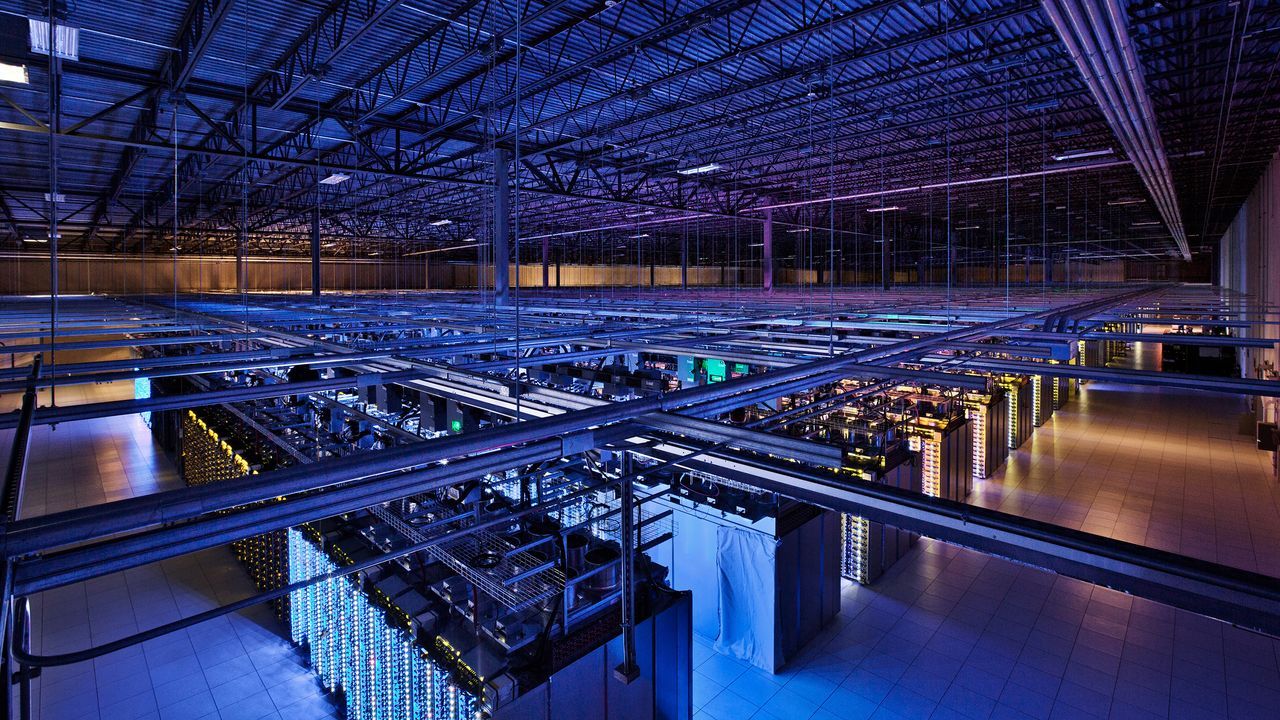
At the heart of the dispute is Imperial Valley Computer Manufacturing, the entity seeking to secure approximately 287 million gallons of water annually. This massive allocation is intended to cool a planned 330-megawatt data center—set to be the largest of its kind in the state. While the facility promises economic growth, its existence threatens to drain a vital resource from farming communities that have relied on the river for generations.
The legal battle began after two cities in the region declined to provide reclaimed wastewater for cooling purposes. Facing these denials, the data center owner turned its sights to the Colorado River itself, demanding access to the water supply currently utilized by local agriculture. The request amounts to just 0.028% of the Imperial Irrigation District’s total annual allocation, yet this small fraction carries immense weight for the communities dependent on the river.
The core tension lies in how this industrial thirst interacts with the region’s fragile water balance. The Colorado River supplies water to roughly 40 million people across seven western states, but California agriculture consumes about 80% of the state’s allocation from the river. Furthermore, the Imperial Irrigation District (IID) delivers nearly 95–97% of its managed water supply directly to farming operations.
The plan proposed by the data center involves redirecting existing water quotas from irrigated farmland to industrial cooling, effectively demanding that agricultural irrigation cease on these properties. While the project promises significant economic benefits—including 1,688 construction jobs and over 100 permanent positions—local resistance focuses less on the quantity of water and more on the fundamental shift in land use.
Experts in water policy caution that the debate extends beyond simple consumption figures. They question whether converting productive agricultural land into industrial zones is a sustainable long-term strategy for a region historically rooted in farming. The concern is not just about the water itself, but about the ripple effect on the local economy and the loss of surrounding rural businesses—from equipment suppliers to fertilizer sellers—that rely on the agricultural sector.
Ultimately, the unfolding story asks a crucial question: can massive technological demands be met by restructuring regional water policies without sacrificing the jobs and ecological stability that have defined this landscape for decades?
Buy on Amazon
Credit
