AirPods Ultra competition heats up Razer Motoko’s camera reveal
The world of wearable technology is rapidly evolving, and the next leap in audio innovation is poised to trigger a major conversation about privacy and AI. A recently leaked video has unveiled the impending arrival of the AirPods Ultra, wireless earbuds that look familiar but harbor a much more ambitious technology: discrete cameras.
These cameras are designed to power something called Visual Intelligence, suggesting a new era of ambient awareness. While the specifics remain guarded, the mere presence of hidden sensors immediately raises flags for privacy advocates, especially when compared to other emerging technologies like Meta’s AI Glasses, which have already ignited serious public debate.
The introduction of such technology forces us to consider the balance between convenience and surveillance. As Apple prepares to debut the AirPods Ultra at its next special event in September, the focus is already shifting toward how these devices handle the massive amount of environmental data they collect.
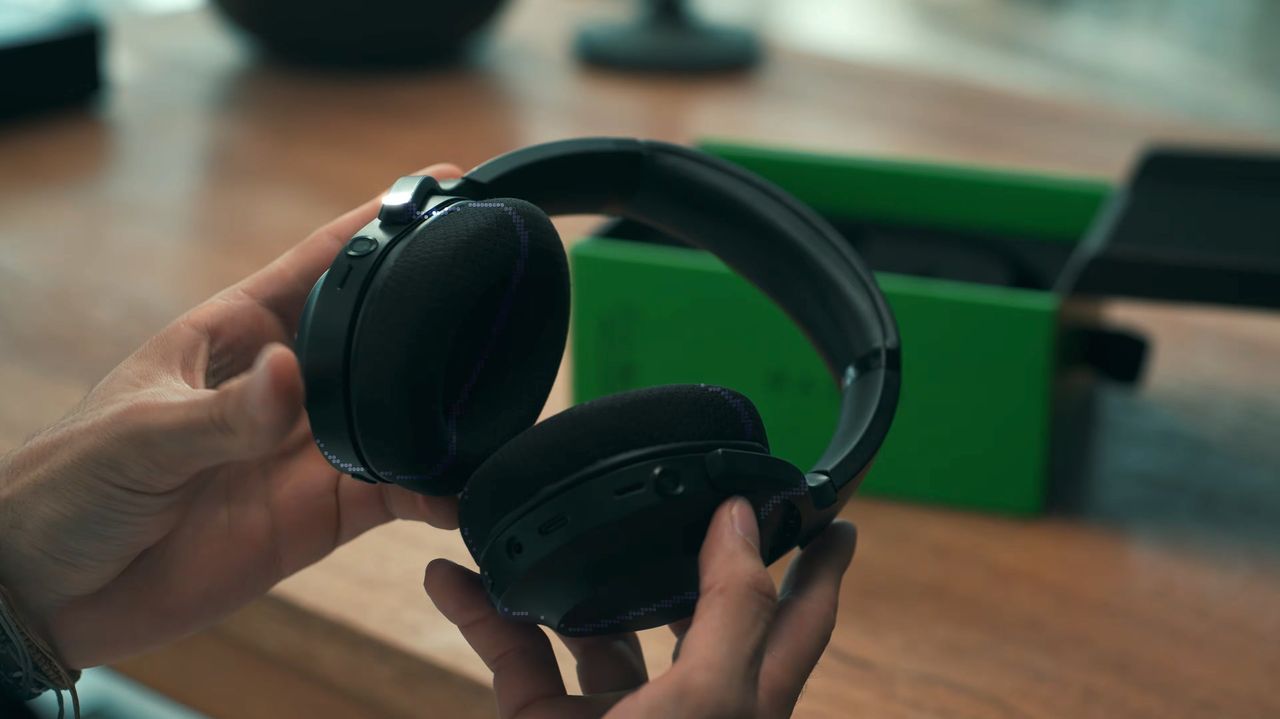
Meanwhile, the gaming and AI world is pursuing an even more radical approach. While Apple seeks subtle integration, Razer’s Project Motoko is taking a bold, overt path. Unveiled as a concept at CES 2026, Motoko is not just an audio device; it’s envisioned as a full wireless gaming headset equipped with FPV cameras built into the earcups.
Razer’s vision is to create a “personal full-time AI assistant” that stays keyed into your schedule, preferences, and habits. Motoko promises to “hear, interpret, and answer in the moment,” utilizing powerful AI models like Grok, OpenAI, and Gemini to quantify symbols, text, and details in real time. This setup positions Motoko as a powerful data collection tool, aiming to train sophisticated language models.
The contrast between the two developments is stark. Apple’s approach seems focused on subtle, almost invisible data capture, leaving the privacy questions hanging in the air. Razer’s implementation, while raising similar concerns about continuous video recording, makes its intent undeniably visible. The core debate remains: who decides how much of our environment should be recorded and analyzed?
Beyond the privacy concerns, the practicality of wearing such advanced hardware all day presents another hurdle. While the potential uses for a headset that can guide cooking, offer real-time translations during travel, or provide instant audio instructions are endless, the physical comfort and stamina of wearing a headset constantly remain key unknowns.
Ultimately, whether the future of wearable AI involves subtle, integrated sensors or bold, camera-equipped headsets depends on how the industry navigates the fine line between unlocking incredible capabilities and protecting personal space.
Buy on Amazon
Credit
