AMD exec surprised by Nvidia Vera performance results
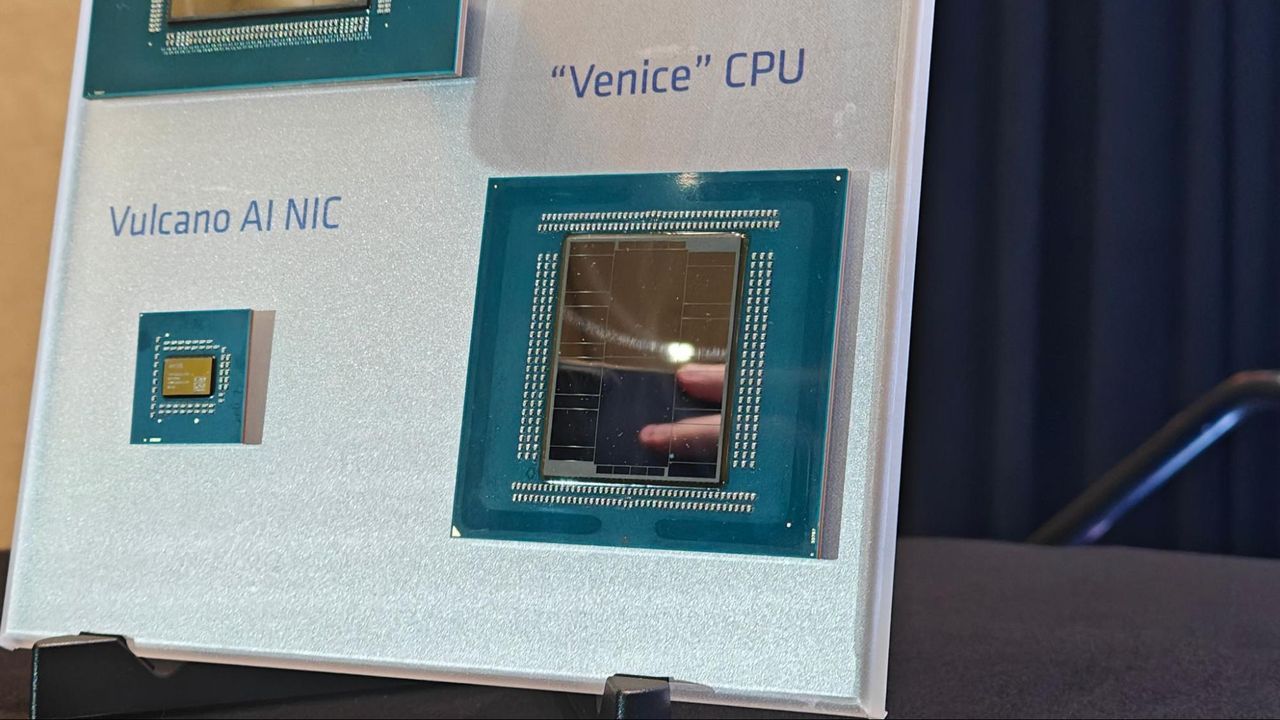
The Great CPU Showdown: AMD and Nvidia Test the Waters in the AI Race
In the high-stakes world of semiconductor design, the rivalry between AMD and Nvidia is more than just a corporate battle; it’s an intense race for computational supremacy. As the industry gears up for the next wave of AI innovation, performance metrics are becoming the new battlefield. Recently, this competition spilled into the data, with AMD taking a confident step by openly comparing its new Zen 6 ‘Venice’ CPUs against Nvidia’s Vera architecture.
AMD executives were reportedly delighted when Nvidia published its performance figures ahead of the Advancing AI 2026 event. This moment provided an opportunity to establish a head-to-head comparison, demonstrating that while the industry often learns to stay quiet, the underlying technical battles are anything but silent.
To quantify the difference, AMD utilized Nvidia’s published SPEC CPU 2026 benchmarks as a baseline. By applying this framework to its own Zen 6 ‘Venice’ CPUs, AMD sought an “apples-to-apples” comparison with Vera. The goal was clear: determine where their architecture truly excelled.
The results hinted at a significant lead for AMD. AMD’s team found a considerable advantage in throughput, showing a notable jump compared to Nvidia’s offering. Furthermore, when dissecting the performance on a per-core basis, AMD demonstrated strong scaling capabilities that put them ahead in specific integer-based workloads.
One of the most telling metrics focused on how efficiently each chip utilized its cores. By normalizing the throughput scores, AMD highlighted superior overall efficiency. This comparison wasn’t just about raw speed; it was about maximizing computational output from every transistor.
However, the full picture is more nuanced than a simple win-loss scenario. While the integer performance metrics favor AMD, the complexity of modern computing introduces additional variables. The actual real-world impact depends heavily on factors such as compiler optimization (both sides utilized GCC 15.2), the specific server workloads being run, and the unfolding results in floating-point benchmarks.
Ultimately, while this SPEC comparison reveals a strong position for AMD in certain areas of the current server CPU market, the true measure of competitive advantage lies beyond these initial integer scores. As both companies push toward next-generation AI systems, the focus shifts from simple benchmark wins to holistic performance across all specialized applications.
Buy on Amazon
Credit
