AMD Medusa Point APU beats rivals in Geekbench score
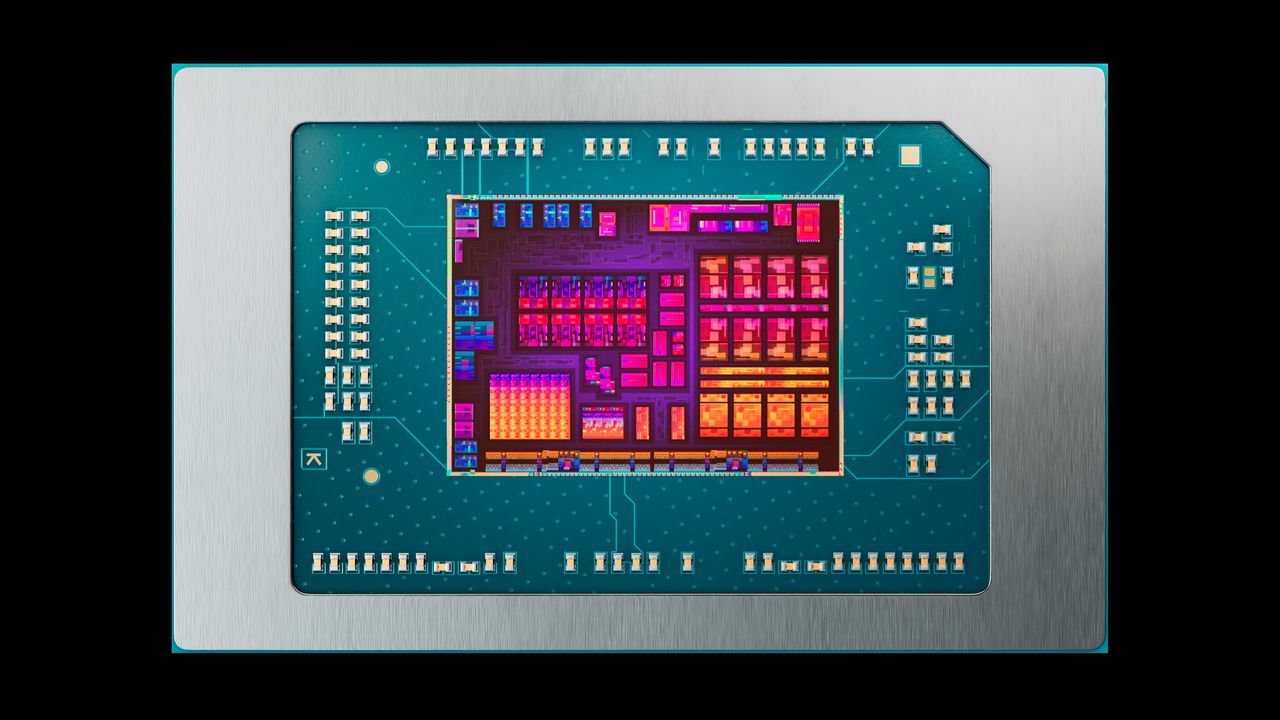
AMD’s Medusa Point Unleashes Next-Generation Mobile Power with Zen 6 Architecture
The race for the ultimate mobile processing power is heating up, and AMD is setting an ambitious pace. With the upcoming launch of its Zen 6 silicon, the company is poised to refresh both its desktop and mobile lineups, promising a significant leap forward for consumers and developers. At the heart of this exciting evolution is the Ryzen AI 500 series, codenamed Medusa Point.
This new family of chips isn’t just about incremental updates; it represents a major architectural shift driven by powerful AI features integrated directly into the design. The initial leaks and subsequent benchmarks are painting a picture of a mobile chip that is aggressively competitive, challenging established giants like Intel and Qualcomm in the high-performance arena.
The performance numbers speak for themselves. In recent assessments, the Medusa Point SKU has delivered impressive scores on the Geekbench platform, signaling its prowess. The single-core test registered 3,329 points, while the multi-core benchmark reached 16,555 points. These results demonstrate a significant jump in processing capability.
What makes these figures particularly compelling is the comparison against current mobile offerings. In the single-core category, Medusa Point’s performance is notably ahead of many existing mobile chips from both Intel and AMD, pushing the boundaries of what’s achievable in a mobile package.
Furthermore, the multi-core capability places this 10-core SKU squarely alongside high-end desktop processors. When benchmarked against top desktop powerhouses like the Ryzen 9 9900X and the Ryzen 7 9800X3D, the mobile offering shows remarkable parity in performance efficiency.
The deep dive into the data reveals that this competitive edge isn’t just about raw speed; it’s about architectural advancement. The superior results stem directly from the benefits of the Zen 6 silicon, which enables these processors to handle complex tasks with greater efficiency and power management.
Beneath the impressive scores, technical details also reveal a commitment to maximizing memory bandwidth. The Geekbench listing provides insight into the chip’s internal structure, noting substantial cache sizes—10MB of L2 cache and 32MB of L3 cache for this generation—which contribute significantly to the overall speed and responsiveness.
This focus on architecture translates directly into a more powerful experience. While other mobile segments might rely solely on high core counts, Medusa Point leverages architectural innovation to deliver superior performance across the board, setting a new standard for what next-generation mobile CPUs can achieve.
Buy on Amazon
Credit