AMD’s Ryzen AI chips power robotic physical AI
AMD’s X100 Series: Bringing Physical AI to the Edge
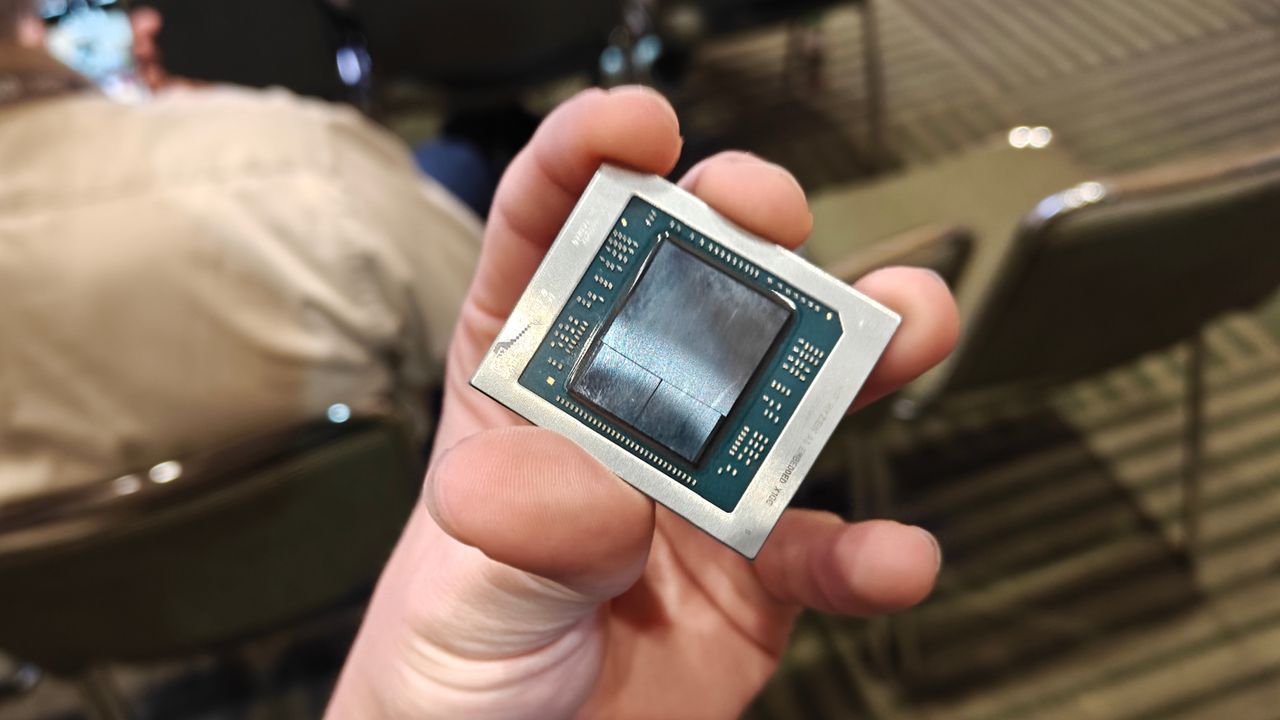
The future of artificial intelligence isn’t just happening in massive data centers; it’s moving into the physical world, transforming robotics and embedded systems. Leading this revolution is AMD, which is ushering its Strix Halo APUs into the realm of physical AI with the launch of the X100 series processors. These aren’t just high-performance chips; they are specifically engineered for 24/7 operation in demanding embedded applications like robotics, boasting a projected 10-year lifecycle.
The X100 range includes several specialized SKUs designed for different deployment needs. Whether you look at the top-end X199, which features 16 Zen 5 cores and 40 RDNA 3.5 CUs, or the more streamlined models like the X188 (12 cores/32 CUs) and X168 (8 cores/32 CUs), AMD provides scalable power solutions. The company is pushing these processors to the limit, claiming boost clocks up to 5.1 GHz and supporting up to 128 GB of unified memory.
Crucially, the design prioritizes efficiency and stability for edge deployment. Each model features an XDNA 2 NPU capable of up to 50 TOPS (trillion operations per second). These systems offer flexible thermal management, with configurable TDPs ranging from 45W to 120W, and operating across a wide temperature range from minus 40 degrees Celsius up to 105 degrees.
This hardware push directly challenges competitors. Intel recently introduced Panther Lake SoCs for physical AI, arguing for System-on-a-Chip (SoC) solutions to reduce latency by integrating the CPU, AI accelerator, and memory onto a single piece of silicon. AMD’s X100 range offers physically larger and more powerful deployments, packing significantly more specialized silicon into these SOCs than their counterparts.
When benchmarking performance, AMD sets ambitious targets against Intel’s offerings. In general computing tasks like GeekBench and PassMark, AMD demonstrates significant leads, claiming up to 1.2X and 1.3X advantages over Intel in integer workloads. Graphics performance is equally impressive, with AMD showing a 1.4X lead in Vulkan and a 1.7X advantage in OpenGL performance measurements.
The AI specific claims are also compelling. For physical AI tasks, AMD reports improvements of 1.4X in Time to First Token (TTFT) and 3.5X faster tokens per second in Llama-bench testing with a Vulkan backend running at a modest 45W TDP. While these results promise massive speed gains for complex processing, the comparison requires context, as AMD tested its hardware against Intel’s Core Ultra X7 358H using scaling factors derived from public benchmarks.
Beyond the silicon itself, AMD is building an entire robotics ecosystem around the X100 Kria System on Module (SOM). This integrated platform measures 120mm by 120mm and adheres to the standardized COM-HPC form factor. It functions as a turnkey solution for developers, combining the X100 Kria SOM with AMD’s Spartan UltraScale+ FPGA baseboard.
This Kria platform is designed to be the “brain” of the robotic system, providing specialized connectivity for cameras and industrial networking, alongside integrated sensors. While some external benchmarks compare these systems against Nvidia’s Thor T5000, AMD’s vision extends further, aiming for an end-to-end solution for humanoid-style robots by leveraging advanced technologies like Zynq UltraScale+, Spartan UltraScale+, and Versal AI Edge Gen 2 FPGAs.
Buy on Amazon
Credit