Ascendance DLC: Fixing Wilds’ Flawed RPG Action
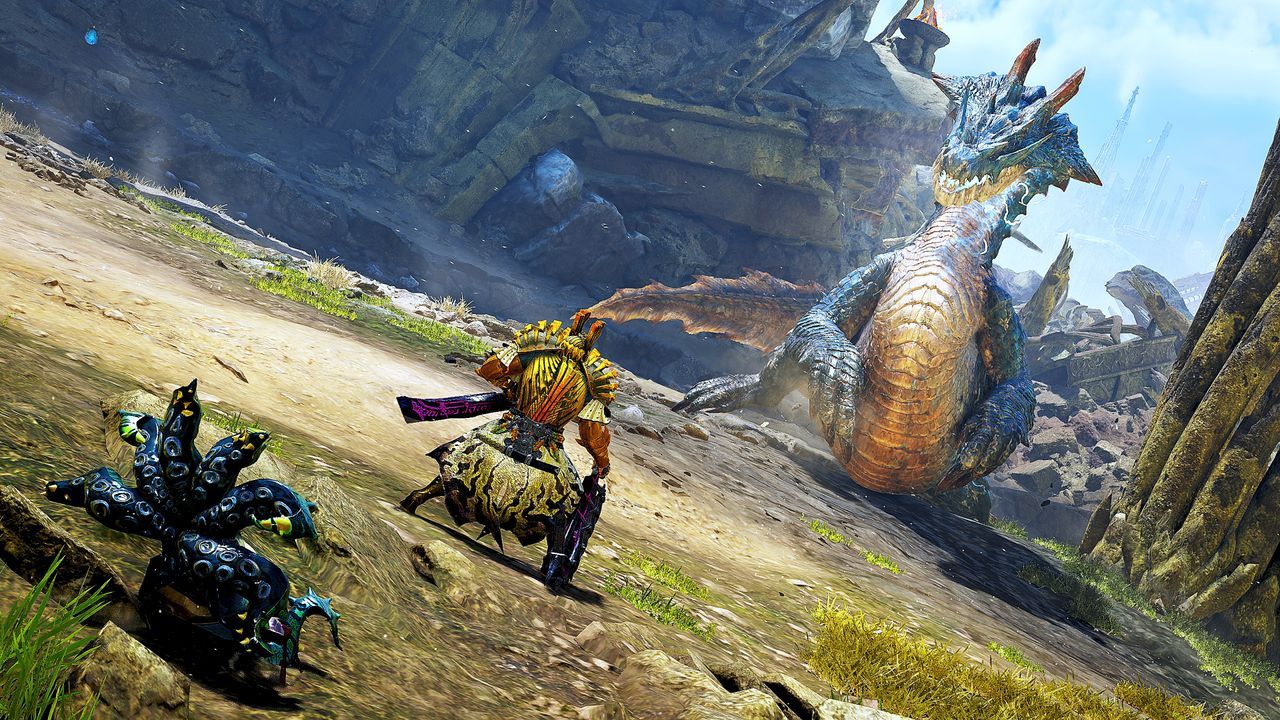
The world of Monster Hunter has always been defined by breathtaking scale, deadly intensity, and relentless pursuit. Yet, recently, a highly anticipated entry, Monster Hunter Wilds, has left many fans feeling like they witnessed a masterpiece that was strangely held back—a spectacular vision hampered by rough mechanics and visual inconsistencies.
While the foundation of the game sets an incredible stage, for some players, the experience felt less like a thrilling hunt and more like a slow, frustrating grind. The launch version struggled to deliver the deep challenge and visceral threat that has long been the hallmark of the franchise, leaving many feeling that the promise of true danger was muted by an abundance of quality-of-life features.
The core problem wasn’t a lack of content; it was a disconnect between the excitement of the monsters and the actual challenge presented. Many players found that the main story campaigns felt surprisingly tame, with encounters that offered little real threat, making the satisfying hunt feel hollow compared to previous installments.
This feeling of stagnation, however, is not an insurmountable barrier. The upcoming DLC expansion, Monster Hunter Wilds: Ascendance, offers a tantalizing opportunity to address these foundational issues and elevate the entire experience. It promises not just new content, but a fundamental overhaul designed to inject the necessary challenge and polish that the base game lacked.
To truly make Monster Hunter Wilds: Ascendance ascend to its full potential, several critical gameplay adjustments are essential. First, the balance of the monsters must be fundamentally revisited. In the base game, many creatures offered minimal resistance, meaning players often felt they could rush victory rather than prepare meticulously. For the expansion, monsters should possess significantly increased durability and health pools in Low Rank and early High Rank quests. This shift would force hunters to slow down, prioritize gear upgrades, study attack patterns, and truly earn their victories.
By increasing the sheer toughness of these foes, we encourage thoughtful engagement rather than reckless button-mashing. This change would make every confrontation feel earned and heighten the stakes presented in cutscenes, making the narrative tension genuinely impactful.
Beyond monster difficulty, changes to the core mechanics are necessary. The Seikret mount, while providing impressive mobility, currently acts as an almost invincible escape mechanism. If it is to remain a key traversal tool, it needs to be balanced. Introducing a cooldown system tied to stamina or making the mount’s utility dependent on monstrous presence—perhaps causing it to flee when facing truly terrifying Apex predators—would force players to rely more on traditional defensive maneuvers like dodging and blocking.
Finally, the game’s dynamic weather system, though artistically unique, often sabotages the visual splendor of the world. While “Inclemency” periods create dramatic hazards, they frequently result in environments choked with fog and dust, dulling the stunning detail rendered by Capcom’s RE Engine. A major improvement would be to allow players to permanently lock a biome into its most beautiful state—the Plenty weather—allowing hunters to enjoy the world’s vibrant colors and exquisite monster designs without being forced into perpetually hazy or gray landscapes.
With hopes pinned on Monster Hunter Wilds: Ascendance, the potential is immense. By addressing these points—enhancing challenge, refining mechanics, and liberating the visual environment—the next chapter in Monster Hunter could finally deliver the epic, challenging, and visually flawless experience that fans have been waiting for.
Buy on Amazon
Credit
