ASML price hikes frustrate TSMC potentially costing billions
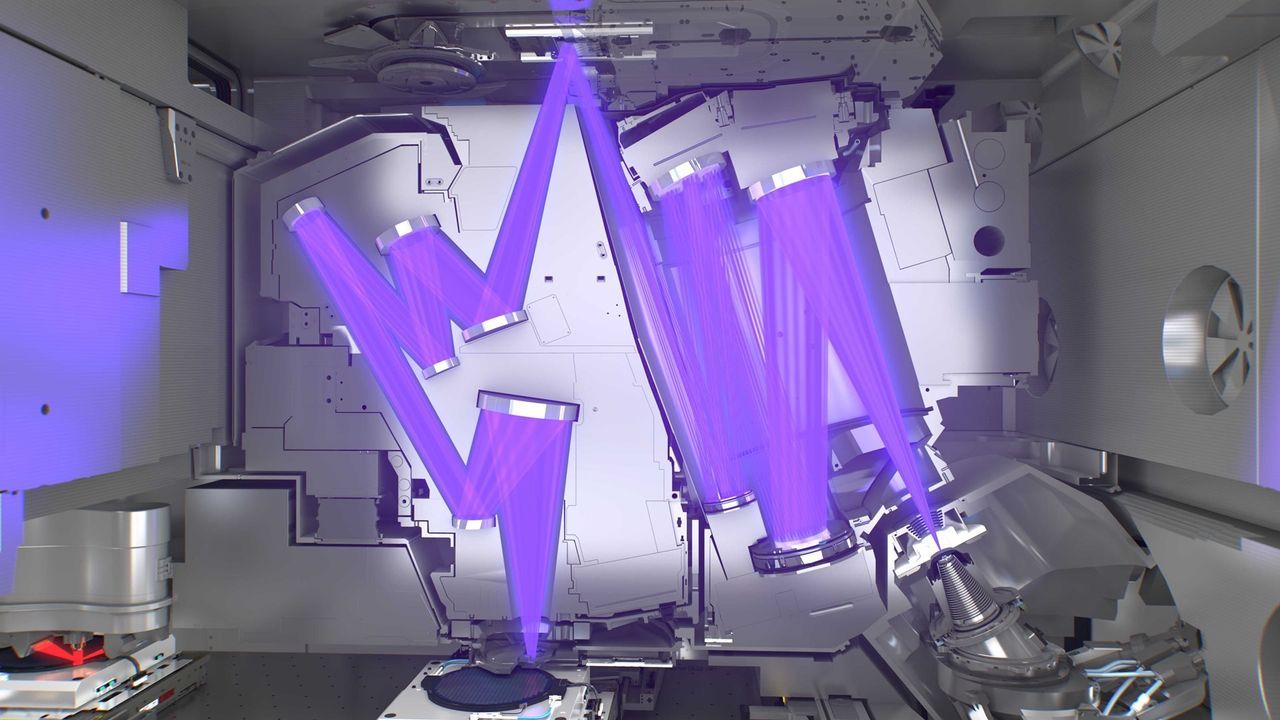
In the high-stakes world of semiconductor manufacturing, where innovation races ahead of economics, a significant tension is brewing between technological advancement and market pricing. ASML, the undisputed global leader in extreme ultraviolet lithography equipment, is reportedly considering raising prices for its existing Low-NA EUV tools, a move that has already sparked considerable resistance from major clients like TSMC.
The debate isn’t just about a price tag; it’s about the structure of value in the chipmaking ecosystem. ASML operates on a model of ‘value-based pricing,’ arguing that as their tools become more complex and productive, reflecting the enhanced capabilities they offer—such as increased wafer throughput and superior image quality—they deserve a corresponding increase in price. This logic is rooted in the reality that every upgrade delivers tangible economic value to the fabrication plant.
ASML has consistently increased the average selling price of its EUV scanners across generations, justifying the hikes by showcasing incremental gains in performance. Early systems were priced substantially lower than today’s advanced tools. For instance, while early Twinscan NXE systems commanded prices in the hundreds of millions of dollars, the latest high-NA EXE systems represent a significant leap, reflecting the cutting-edge nature of the technology.
This push for higher pricing is tied directly to rapid technological evolution. ASML’s tools are constantly being enhanced—moving from processing 160 wafers per hour (WPH) with a specific machine overlay (MMO) to achieving dramatically higher throughput and tighter precision, such as the projected performance of future systems aiming for beyond 300 WPH and sub-0.8nm MMO. As ASML delivers tools like the NXE:4200G, which are poised for even greater leaps in speed and resolution, the economic argument for increased ASP becomes increasingly compelling.
However, this pursuit of higher margins is met with firm resistance from industry giants. When ASML signals price adjustments, existing chipmakers like TSMC view this through a different lens—one focused on long-term strategic economics rather than short-term productivity rewards. For TSMC, the preference remains for conventional Low-NA EUV systems, which offer greater flexibility and lower capital expenditure (CapEx) compared to the significantly more expensive High-NA EUV tools.
TSMC’s strategy is built around maximizing performance per watt and maintaining cost advantages across its expansive leading-edge roadmap. Adopting extremely high-cost technology, such as High-NA EUV, introduces greater rigidity into the manufacturing flow. If ASML systematically ties productivity improvements to higher prices for Low-NA tools, it erodes TSMC’s existing economic buffer and undermines their strategy of leveraging established processes and innovations.
Furthermore, negotiating pricing is complex because many orders are already locked in. With significant demand forecasts and substantial order backlogs, ASML faces the challenge of adjusting prices on equipment that is already contracted for delivery over the next two years. This creates a strategic stalemate: while ASML seeks to capture the value of its innovation, customers require assurances that these adjustments will not destabilize their multi-billion dollar manufacturing plans.
Ultimately, the dynamic between technological innovation and industrial economics highlights a crucial point in the semiconductor industry. Whether ASML can successfully implement its value-based pricing model without fracturing the foundational economic strategies of its largest customers remains the defining challenge for the future of advanced chipmaking.
Buy on Amazon
Credit
