Back to a regular monitor after ultrawides what I missed
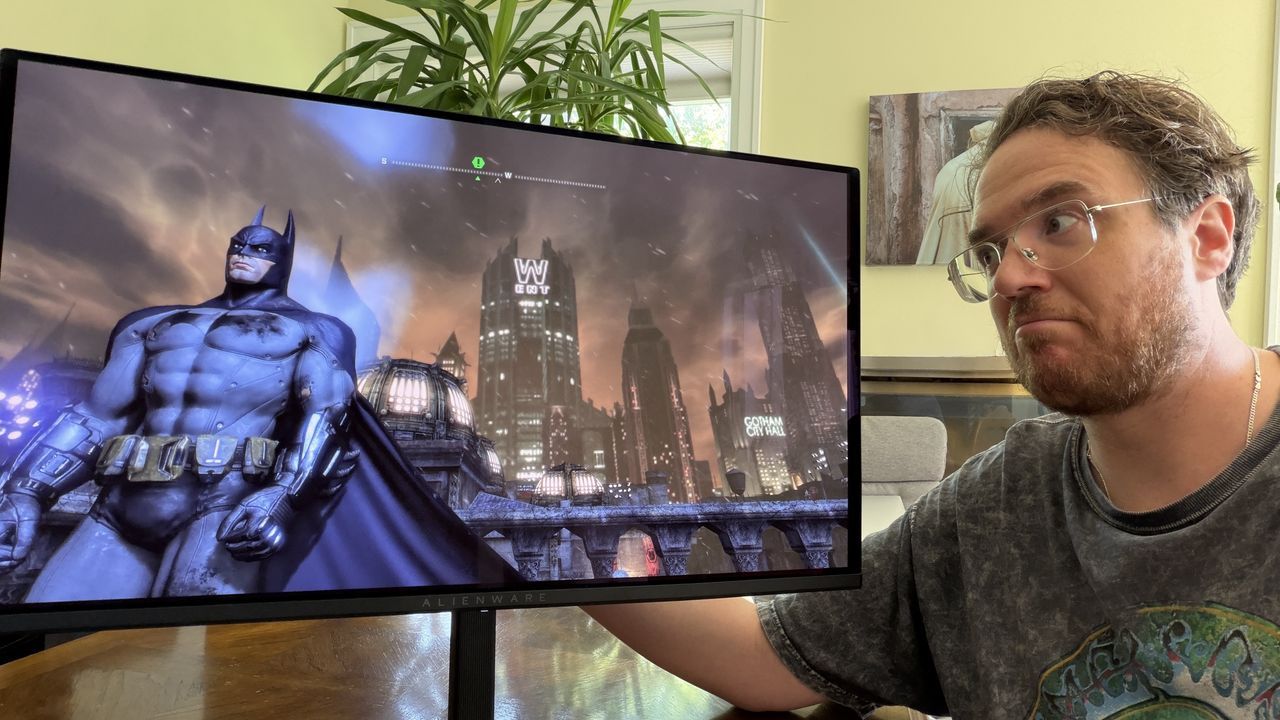
For years, I was convinced that only an ultrawide display could deliver the ultimate gaming experience. After spending so much time immersed in 21:9 aspect ratios and high resolutions like 3440×1440, I believed I was locked into a specific visual paradigm. Then, a seemingly simple switch—acquiring a standard widescreen 16:9 monitor—completely redefined how I interacted with my gaming setup.
The change wasn’t just aesthetic; it shifted the very dynamics of performance. When I tested out a regular widescreen option, like the Alienware AW2726DM, the difference became immediately apparent, particularly in fast-paced first-person shooter (FPS) games.
I discovered that playing titles such as Battlefield 6, Escape From Tarkov, and Hell Let Loose on a 16:9 screen provided a significant advantage. With fewer pixels to process outside my immediate focus area, the visual field became tighter. This resulted in a much more focused Heads-Up Display (HUD) and a smaller window of focus, which allowed me to track targets more efficiently. The result? I found myself shooting more accurately and, crucially, dying less often.
This shift highlights a key design principle: for games centered on rapid action and precision, the extra screen real estate provided by an ultrawide often introduces visual noise rather than pure competitive benefit. For performance-critical FPS sessions, I found that 16:9 offered a cleaner, more concentrated view.
The benefits extended beyond competitive shooters. When engaging with single-player gems and older titles—the indie games and classics I enjoy—the 16:9 screen provided a superior, uninterrupted visual experience. Ultrawides often force the introduction of distracting black bars on either side, which can detract from immersion, especially in single-player narratives.
Furthermore, this shift had positive implications for my hardware. My setup, featuring an RTX 5070 Ti GPU, benefits significantly when running on a standard aspect ratio. Since the GPU doesn’t have to render and manage extra pixels for a wide ultrawide monitor compared to a 16:9 display at similar resolutions, it operates cooler and more efficiently. This is especially noticeable during intense gaming sessions, making the entire system less thermally stressed.
The practical benefits of this change extended to my workspace as well. Moving away from a single, expansive ultrawide setup allowed for greater flexibility. By utilizing dual 16:9 monitors, supported by a dual-monitor mounting arm, I created a far more balanced desk environment. The secondary monitor, often used for communication apps like Discord, can now be easily positioned to the side, providing necessary context without dominating my peripheral vision.
Ultimately, while the allure of 21:9 remains strong for some cinematic experiences or third-person RPGs where extra width enhances immersion, I’ve realized that a regular aspect ratio is more than sufficient for the vast majority of my gaming needs. The experiment proved that sacrificing those extra pixels doesn’t mean sacrificing quality—it means prioritizing performance, comfort, and efficiency.
If you are still deliberating between 16:9 and ultrawide monitors, remember that your ideal display depends entirely on what you game most. Sometimes, less is truly more.
Credit