Beyond Good and Evil: 20 years of visual angst
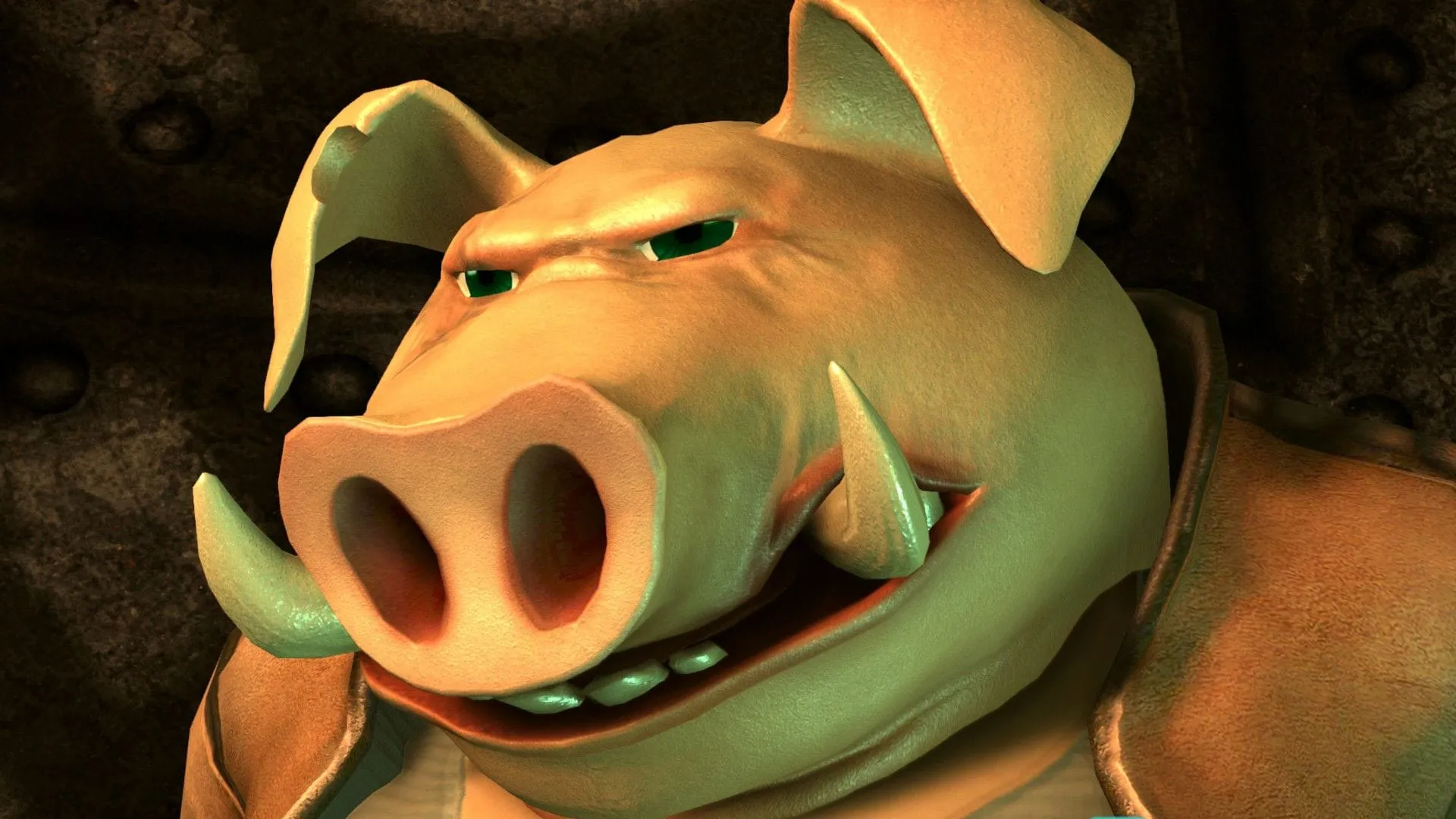
It started as a simple trip down memory lane. Picking up the 20th anniversary edition of Beyond Good and Evil and diving back into that vibrant world felt less like a new experience and more like coming home. For many of us, this game isn’t just a memory; it’s a formative piece of childhood gaming history, lodged firmly in the brain since that first whim purchase on an eleventh birthday.
Beyond Good and Evil offered a specific, unforgettable feeling—a colourful, unique world that invited interaction through the lens of the camera. It was a perfect, ephemeral experience, designed to be savoured rather than burdened.
Yet, revisiting the world reveals a sharp contrast. While the original remains undeniably fun and memorable, the game, in its current iteration, feels surprisingly sparse. Once you move past the fascinating wildlife photography and the whimsical design, the core gameplay shifts into something less engaging. We are left with shonky combat, paper-thin characters, and a stealth mechanic that manages to be both easy and tedious.
This is where the puzzle begins. It is genuinely baffling how a masterpiece of original design can serve as the foundation for what has become one of the most legendary—and arguably most protracted—development struggles in gaming history. The sequel, while carrying the weight of expectation, struggles to deliver the same immediate impact that the original possessed.
It’s hard to reconcile the quality of the foundation with the output of the sequel. There simply isn’t enough compelling material to warrant years of development, and the result feels like a baffled, guttural question: What are we actually doing here?
The expectation placed upon a sequel of this magnitude is immense. We naturally look forward to the next chapter, hoping for an evolution of the vision. But the reality is that the original achieved its goals memorably, and attempting to replicate that ephemeral magic through a lengthy development cycle proves immensely challenging.
Perhaps the answer lies in acceptance. Beyond Good and Evil was designed to be a perfect, fleeting summer romance of a video game. Its flaws and limitations never lingered long enough to bother the player. Maybe the next iteration should embrace its own brevity, letting it exist as a beautiful, self-contained piece of history rather than an unending chase for perfection.
We may never fully know what the creators were attempting to achieve over the years. But the enduring power of the original game stands as a testament to its own unique impact. For now, we appreciate the original masterpiece for what it is—a vibrant, unforgettable piece of gaming history.
Buy on Amazon
Credit
