
Bookstores face AI threat via suspicious book orders
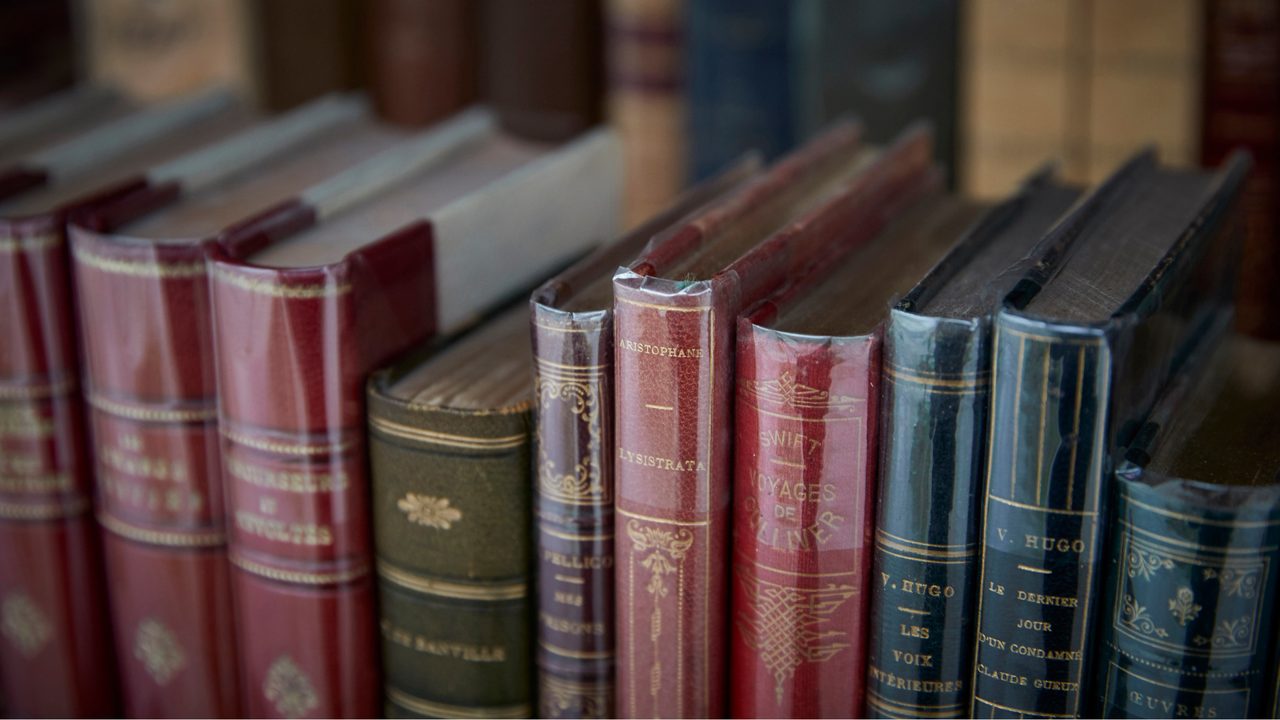
The Mysterious Book Spree: Are AI Companies Hunting Knowledge?
In an era where digital downloads and eBooks dominate the reading landscape, an unusual event has gripped independent book retailers across Europe. One shop in Galway, Ireland, recently received a massive online order for 5,000 books—an amount that would typically bring immense joy to any bookseller. However, beyond the sheer volume of titles, something far more unsettling was found within the order: books that seemed bizarrely specific and oddly dated.
While some orders might simply be bulk purchases from private institutions seeking to build libraries, observers noted that the selection of books raised serious red flags regarding the true motivation behind the demand. Some of these orders included highly niche titles, such as a history book on Connemara or an obscure guide to local financial accounts. This juxtaposition of deep regional history and specialized, potentially outdated texts is peculiar in a modern commercial context.
This unusual activity mirrors reports emerging from other parts of the continent. Bookshops in Berlin, for instance, have also reported similar bulk orders containing titles that contemporary readers would rarely seek out today, such as an edition from 2018.
The persistent question revolves around a shadow emerging from the technological revolution: is this mass acquisition tied to the growing hunger of artificial intelligence? Concerns are mounting that these collections might not be for reading, but for ingestion. The suspicion is that these purchases are being made by entities seeking to train sophisticated AI models, potentially paving the way for the future destruction or exploitation of physical books.
This concern aligns with wider legal and ethical battles currently unfolding across the technology sector. Major AI developers have faced significant lawsuits concerning copyright infringement related to training their systems on vast amounts of literary material. For example, court records have shown that some large tech companies engaged in torrenting massive quantities of copyrighted books for AI training purposes.
The legal landscape surrounding this practice is fiercely contested. While some courts have tentatively ruled that the use of existing written works to train AI constitutes fair use, others view it as a clear violation of authors’ and publishers’ rights. The ethical debate pits the potential for technological advancement against the fundamental right to intellectual property.
This tension is reflected in regulatory stances. For instance, Germany has firmly stated that scanning books, regardless of purpose, would violate copyright law. This highlights a significant divergence in how different jurisdictions view the digitization and use of physical texts.
Further speculation suggests that these enormous orders are being driven by automated systems—AI bots tirelessly trawling the internet to find ISBNs (the unique numerical codes for books) they lack in their libraries. Although the shipments are addressed to local locations, some observers speculate that these acts serve as collection points before eventual bulk shipping, perhaps facilitated through international channels.
Ultimately, the story of these large-scale book orders presents a stark dichotomy. On one hand, these bulk purchases offer a practical lifeline for independent bookstores, helping them navigate the transition toward digital reading. On the other hand, they introduce an unsettling question: as we embrace the future of AI, what happens to the physical books that form the foundation of human critical thinking?
Buy on Amazon
Credit

