Capcom retunes Monster Hunter Wilds endgame difficulty
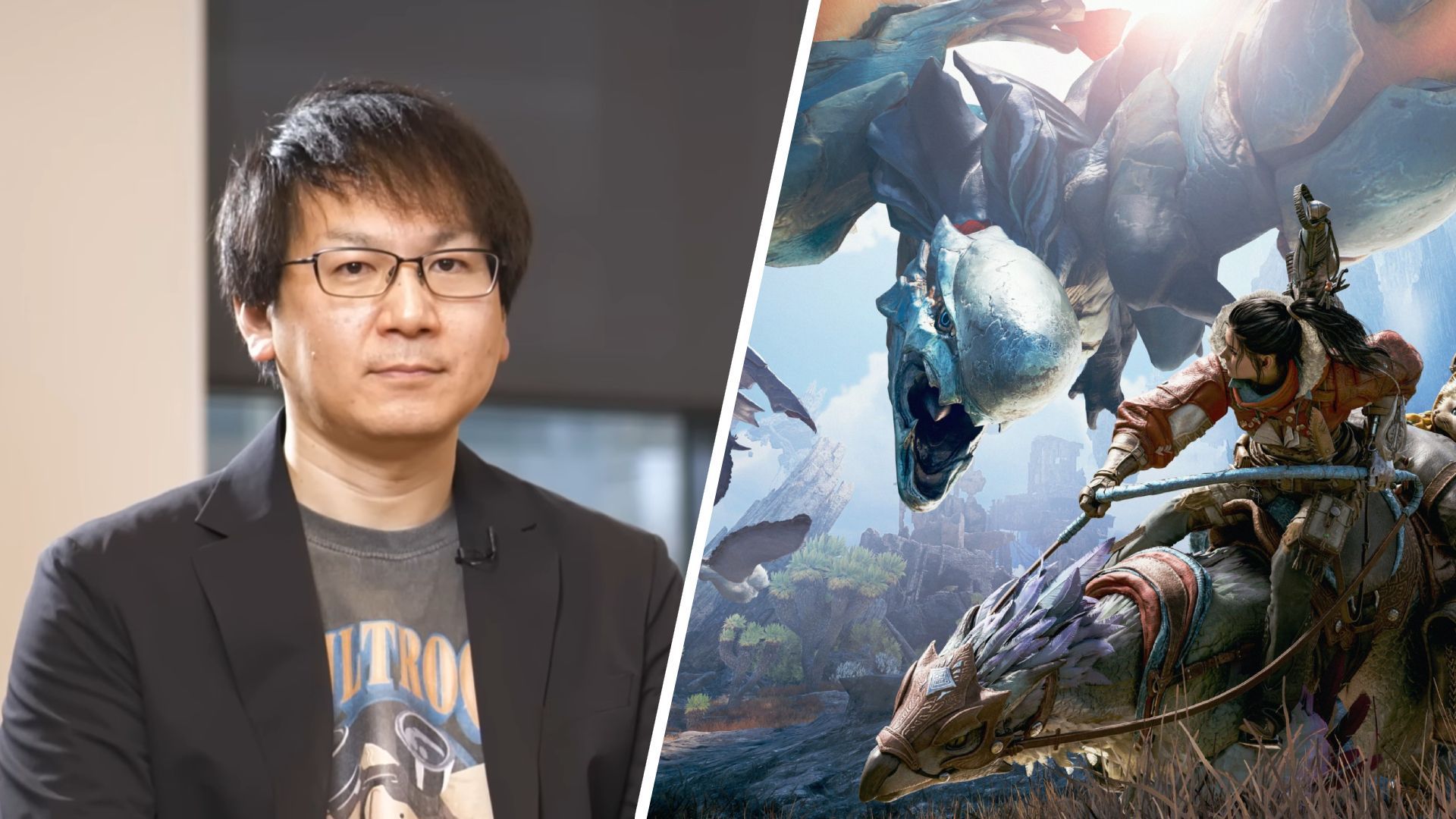
The struggle for the perfect difficulty curve is one of the most challenging quests any game designer faces, and the Monster Hunter franchise is no exception. While Monster Hunter Wilds has rightly garnered attention for its technical polish, a persistent whisper among players has focused on the game’s difficulty—a debate that ultimately informs how Capcom approaches future expansions.
Early reception saw some players feeling that the game was more of a slow, deliberate journey rather than a frenetic hunt, leading to discussions about whether the challenge level was calibrated correctly. As the game evolved, the conversation shifted, with some feeling that later adjustments relied on arbitrary changes to monster damage, leading to a disconnect between player expectation and the game’s actual demands.
The studio’s vision, however, was centered on a different goal: avoiding the alienation of new players. Takuro Hiraoka, the director of Monster Hunter Wilds: Ascendance, emphasized that his primary objective was to ensure that players felt they could actually complete the experience they had invested in.
“Balancing difficulty is one of the most challenging things to get right in a game,” Hiraoka explained. He stressed that the design philosophy aims to prevent players from feeling locked out of finishing the game simply because the challenge proved too steep. He reflected that the growth of the audience since previous titles meant there was a gap between the original design and the highly skilled players who arrived.
This approach informs how the team balances challenge with accessibility. Hiraoka noted that while players who seek the absolute toughest challenges will find satisfaction in the endgame loop of the expansion, the goal remains inclusivity. The difficulty curve in Wilds is designed to be a learning experience, guiding players toward mastery rather than frustration.
This philosophy extends to new mechanics introduced in expansions. For instance, when new tools are introduced, the focus is on strategic discovery rather than immediate, hyperaggressive dominance. Regarding the new Boost Bracer attacks, Hiraoka pointed out that while the mechanics are exciting, the gameplay does not necessarily translate into an unrelenting, constant demon mode.
He noted that the interaction requires careful timing and strategy. Players must learn the cadence of building gauges and managing charge time, allowing the unique gameplay of each weapon to dictate the flow of the hunt. The tools are new variables to master, not automatic advantages.
Ultimately, the difficulty in Monster Hunter is not just about raw numbers; it is about the intricate dance between design, player expectation, and the satisfaction of completing a truly epic hunt. Capcom’s ongoing commitment is to ensure that this balance remains an engaging and rewarding experience for hunters of all skill levels.
Credit