China shifts AI data centers to rural areas for energy
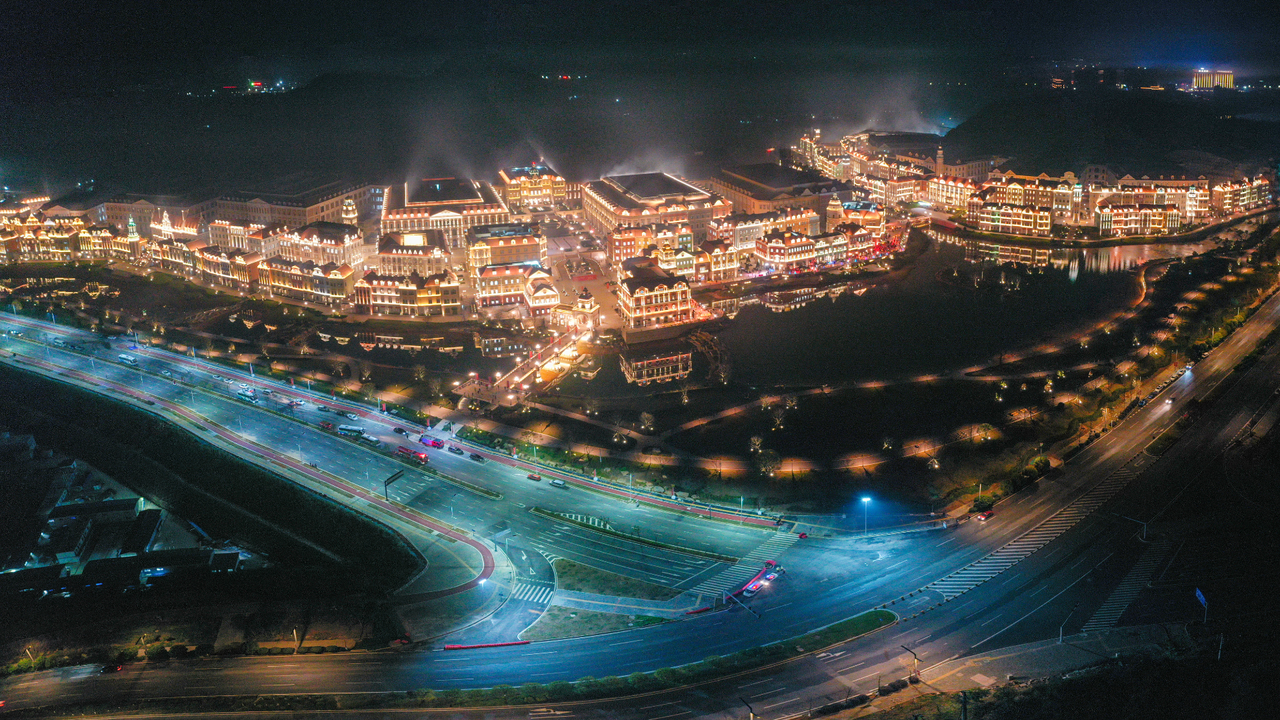
The race for computational supremacy is fueling a massive infrastructure build-out across China, driven by a central belief that computing power, especially in the age of artificial intelligence, directly correlates with national strength. Tech giants like Huawei and Tencent are capitalizing on this trend by establishing vast AI infrastructure in rural provinces, exemplified by projects in areas like Guizhou.
This initiative sees the construction of dozens of data centers and related facilities spreading across the country, linking cutting-edge technology directly to the nation’s development. While this push is focused on securing computing power, the effect on the communities hosting this new infrastructure is equally compelling.
Unlike in the United States, where the expansion of AI data centers has ignited intense public opposition and protests over rising utility costs, the deployment of this infrastructure in China appears to be met with relative ease. Local residents in these developing areas are often celebrating the changes brought by the new facilities.
For many villagers, the arrival of major tech projects has translated into tangible local benefits. Previously, areas were often remote, but the development has spurred improvements in transportation, boosted trade, and created new business opportunities. Local voices highlight how the infrastructure has transformed the landscape, fostering local economic growth and providing new employment options for residents who no longer need to travel elsewhere for work.
This positive shift is partly facilitated by the unique economic structure. In many western Chinese provinces, the availability of land and energy resources makes it more attractive and affordable for companies to establish these power-hungry facilities compared to densely populated eastern regions. Furthermore, the construction of these large buildings paradoxically helps address energy concerns; by utilizing surplus power generated in these regions, the development helps manage energy overproduction.
The national context further amplifies China’s advantage. While Western nations grapple with the massive electricity price hikes that data center expansion imposes on the grid, China benefits from a massive advantage in power generation. The state actively provides steep electricity discounts to AI companies utilizing domestically manufactured chips, effectively mitigating the cost burden on businesses and the public.
Despite the widespread investment and localized development, a nuanced view is necessary. Research suggests that while data centers drive significant investment in land and equipment, the direct impact on increasing local per capita income remains limited in some areas. This finding underscores the need to ensure that technological advancement translates into broad and equitable prosperity for all citizens.
Credit