China’s AI chip race Cambricon and Huawei challenge Nvidia AMD
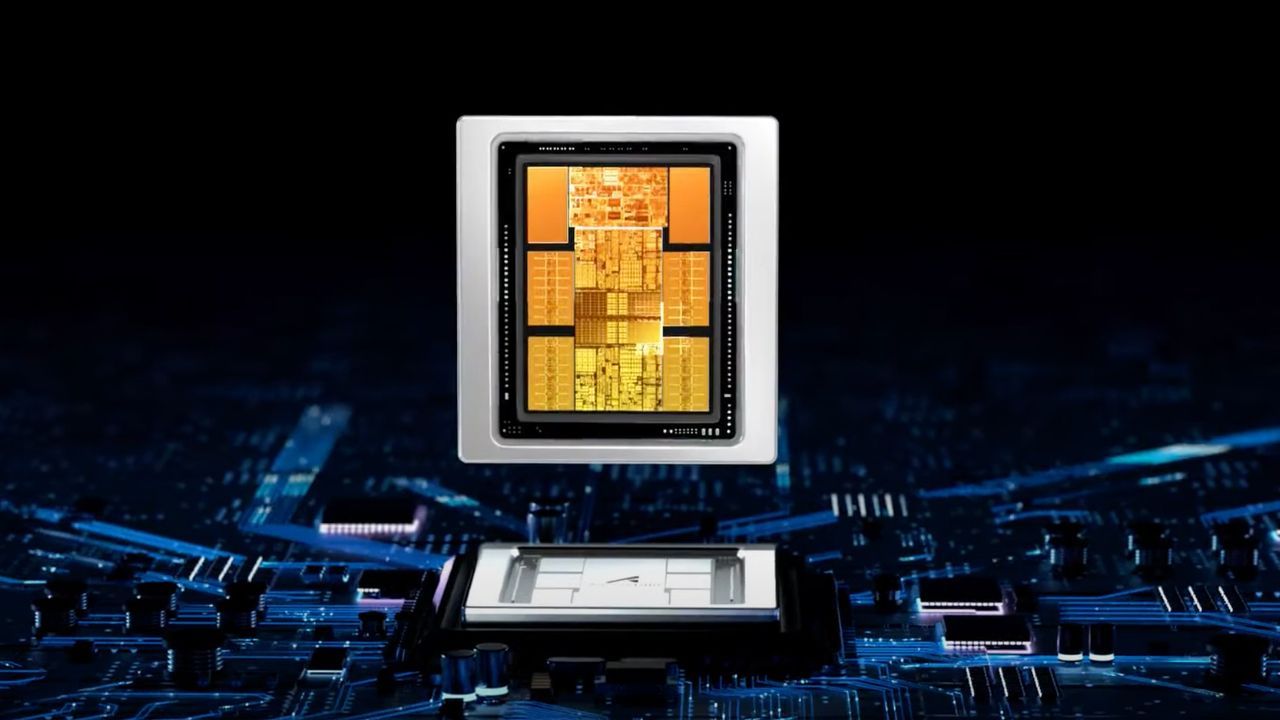
The global battle for artificial intelligence is increasingly being fought on silicon, and the front lines are shifting dramatically toward China. As U.S. export controls squeeze American hardware out of the market, a massive technological realignment is underway, positioning Chinese AI accelerators to dominate the domestic landscape.
Market estimates suggest that Chinese vendors are on track to capture nearly 90% of the country’s domestic AI accelerator market by 2026. This seismic shift is driven by policy mandates and the rapid maturation of a domestic technology ecosystem, allowing local players to seize the opportunity.
This transition marks a clear divergence in the competitive landscape. Nvidia, once the undisputed leader, saw its market share in China decline significantly, dropping from 66% in 2024 to an estimated 8% by 2026. This decline is fueled by external restrictions, but it also highlights the growing strength of homegrown solutions.
While Nvidia’s influence wanes, the competition is heating up among local champions. Companies like Huawei and Cambricon are emerging as the major beneficiaries of this shift. They are capitalizing on a carefully orchestrated dual-track strategy, blending merchant-supplied accelerators with custom AI Application-Specific Integrated Circuits (ASICs) developed by domestic giants like Alibaba, Baidu, and Tencent.
This strategy moves China’s AI infrastructure away from heavy reliance on foreign GPUs toward a synergistic model of “domestic GPUs + proprietary ASICs.” Hyperscale cloud providers are increasingly favoring their own silicon because it offers optimized performance and cost efficiency for their specific workloads.
The scale of this transition is staggering. The overall market for AI accelerators in China is massive, and the demand for domestic production is expected to skyrocket. Analysts project that Chinese domestic production capacity will need to increase by more than 2.2 times year-over-year just to maintain the total market size.
However, this technological ascent is not without significant hurdles. Bottlenecks remain, particularly in critical components like high-bandwidth memory (HBM). While advancements are being made in memory production, the industry still faces challenges in scaling up the manufacturing of high-end AI accelerators and the specialized memory required to feed them.
Furthermore, the software layer remains a crucial differentiator. While Nvidia‘s CUDA stack offers unmatched versatility, domestic players are actively developing their own software tools. This localized approach ensures that the entire AI ecosystem becomes more self-reliant, creating a more robust and uniquely tailored technological future for China.
Ultimately, the story of the Chinese AI market is one of fierce resilience and strategic innovation. As the world’s leading tech powers navigate geopolitical tensions, the focus is shifting from reliance on foreign chipmakers to harnessing the immense potential of domestic engineering and self-sufficiency.
Credit