Chinese company builds own DUV chipmaking machines
The Race for the Blueprint: China’s Leap in Chipmaking Technology
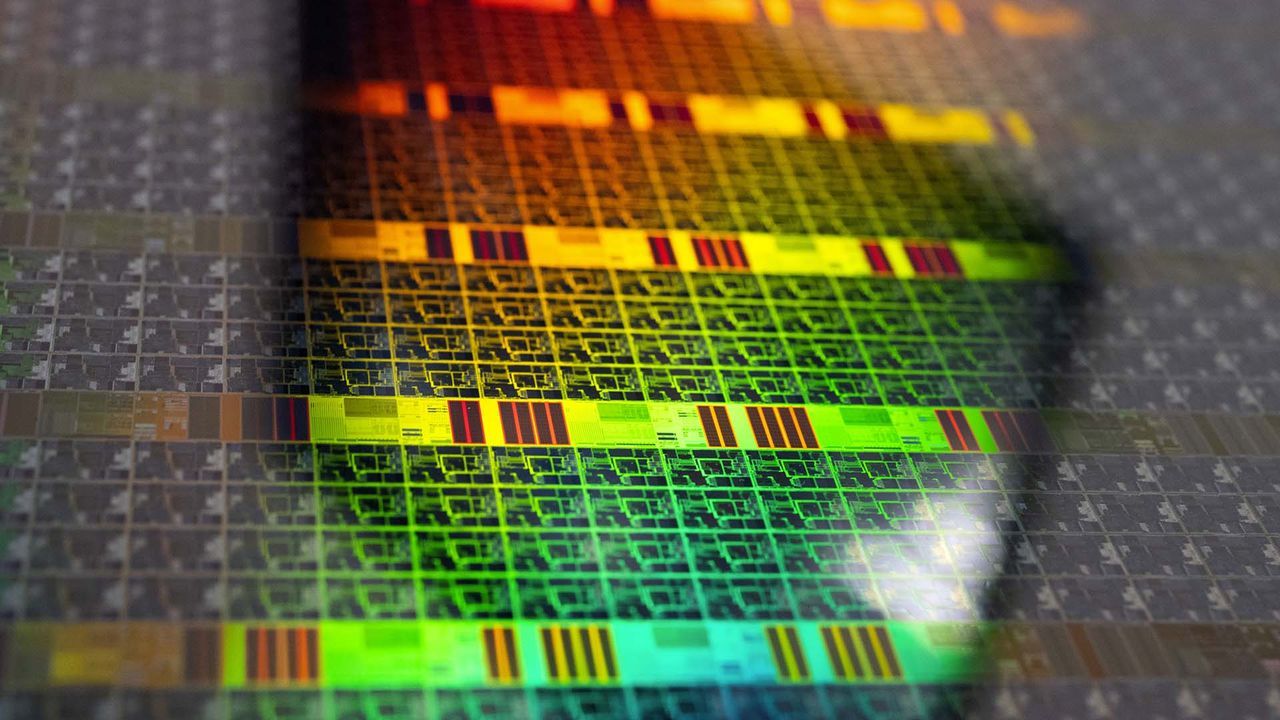
The global race for semiconductor supremacy hinges on an ancient yet incredibly complex process: lithography. This is the high-tech art of etching patterns onto silicon wafers, and mastering it requires sophisticated machines capable of handling extreme precision. Right now, the focus is intensely fixed on Deep Ultraviolet (DUV) lithography—the technology that allows chipmakers to reach the cutting edge of modern processor design.
Recently, a significant shift has occurred in this high-stakes arena as a state-backed Chinese company began mass-producing its own DUV chipmaking tools. This move signals a powerful assertion of China’s ambition to stand on its own two feet in the global semiconductor business.
While today’s most advanced chips rely on Extreme Ultraviolet (EUV) technology, DUV machines remain essential, enabling complex multi-patterning techniques that push chip manufacturing down to remarkably small process nodes. These are the immersion machines currently dominated by the Dutch firm ASML, which holds a critical position in the global supply chain.
The newly developed Chinese machines are slated for delivery this year to major industry players, including Semiconductor Manufacturing International Corp., Hua Hong Semiconductor, and ChangXin Memory Technologies (CXMT). This surge in domestic production is creating massive demand for these tools, positioning companies like CXMT as increasingly valuable assets in the competitive landscape.
This development naturally put pressure on established players. When news of this breakthrough emerged, it caused a noticeable shake-up in the market, impacting ASML’s share price. Despite this challenge, industry observers point out that while the Chinese output is growing rapidly, these new tools are still working through a proving phase.
There is an important caveat to the rapid growth: the performance and reliability of the homegrown systems are still being tested against the stringent demands of the most modern chips. Achieving high yields—producing reliable, defect-free chips on a single wafer—requires not just working machines, but flawless execution. This optimization process takes time.
Meanwhile, the geopolitical tensions further complicate the picture. Restrictions imposed by various governments, including plans to limit exports of advanced chip tools, underscore the strategic nature of this technology. While export controls aim to restrict access to key technologies, history suggests that attempts to block critical access often only spur domestic innovation in nations like China.
Ultimately, while ASML continues its expansion goals for both EUV and DUV capacity through 2027, the emerging Chinese manufacturing capability ensures that the semiconductor future remains dynamic and fiercely contested. The evolution of lithography is not just a technological upgrade; it is a shifting map of global economic and technological power.
Buy on Amazon
Credit