Cut a world with a patch and create atmosphere
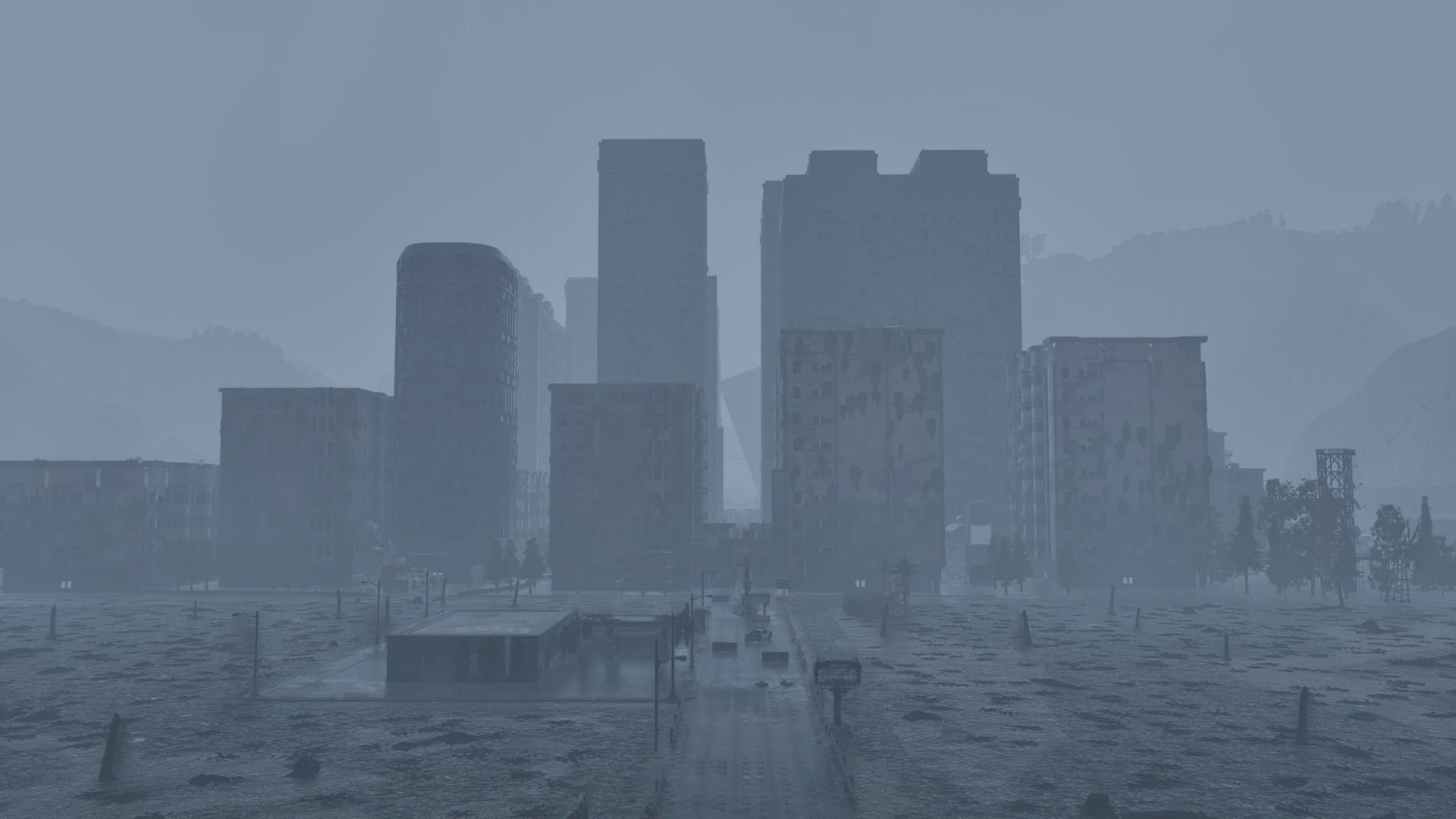
The world of post-apocalyptic survival games promises gritty realism and immersive open-world exploration, but sometimes, the pursuit of vision outpaces the execution. This tension is vividly displayed in the work of Jericho Game Development, a Hungarian two-person studio behind the ambitious title, The Thing That Happened.
While the game offers a compelling setting and core survival mechanics, a closer examination of the current build reveals that the game is still wrestling with the fundamentals of a truly reliable interactive world. For many players, the promise of a genuine version 1.0 experience is currently held back by inconsistencies in technical reliability and basic gameplay systems.
The core issue lies in the disconnect between what the player sees and what the game actually processes. In a world built of crumbling structures and desolate streets, the environment is frequently unstable. Buildings and roads can vanish from view, yet their underlying collision geometry stubbornly remains active, creating frustrating and unpredictable interactions. This subtle glitch reminds players that the game world, despite its visual appeal, is still under construction.
Beyond these spatial inconsistencies, the technical polish remains uneven. Persistent shader stutter interrupts the visual flow, preventing the smooth, cinematic experience that high-quality open-world games demand. Furthermore, the way combat is handled often feels disconnected from the visual reality. In firefights, the action is frequently shaped by geometry that remains hidden from the player’s view, undermining the sense of presence and tactical engagement.
Jericho Game Development has created an intriguing concept, but to deliver the convincing, polished version players are hoping for, the studio must resolve these foundational issues. The journey toward a truly flawless experience hinges on refining these basic systems, ensuring that the world of The Thing That Happened feels not just visually evocative, but fundamentally stable and technically reliable.
Buy on Amazon
Credit