Dan Houser failed with Max Payne 3 I disagree
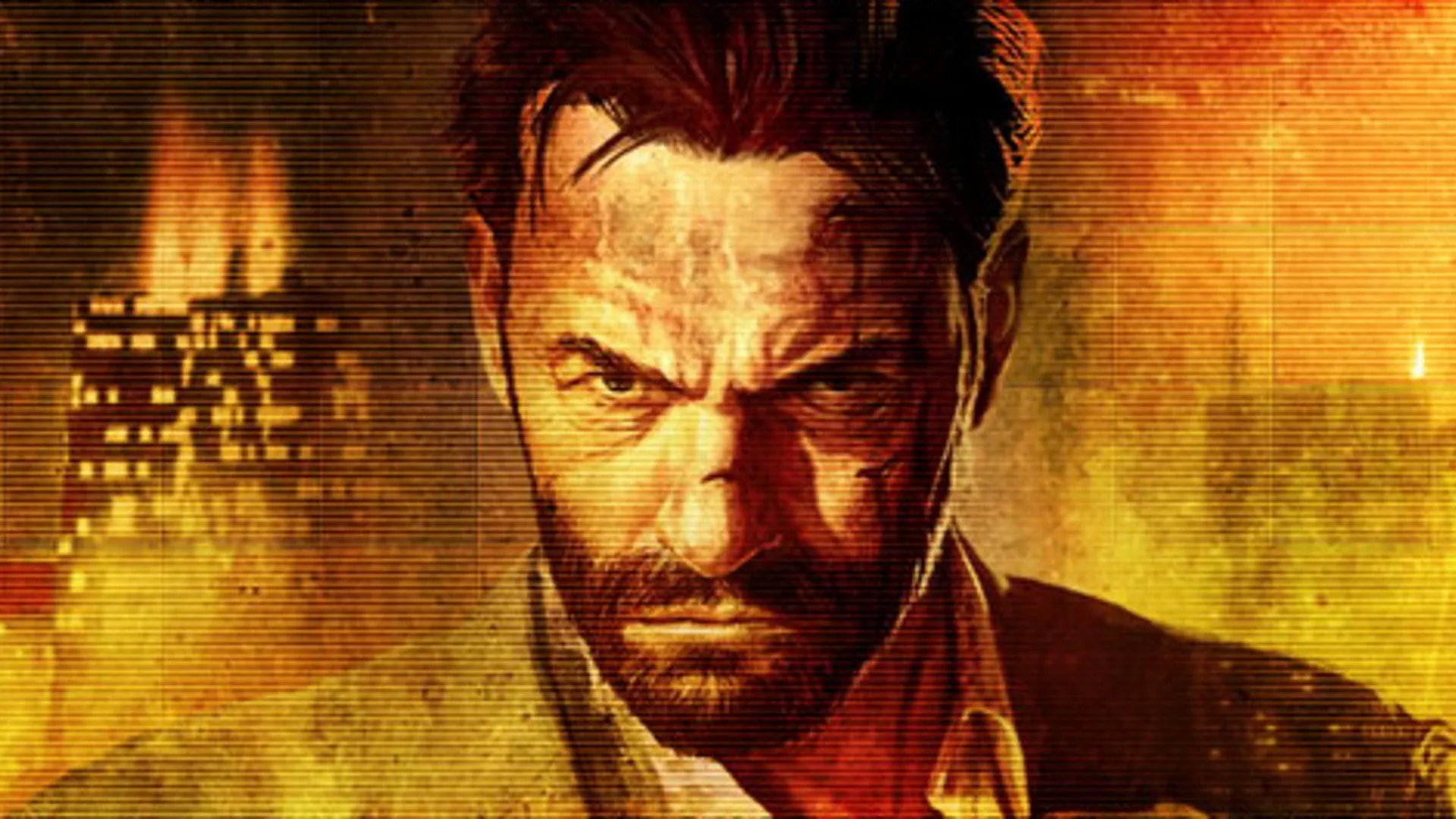
In the high-stakes world of game development, where legacy meets innovation, sometimes the most interesting debates aren’t about gameplay mechanics—they’re about authorship and success. This is the case with Max Payne 3, a title that exists at a fascinating intersection of Rockstar Games’ cinematic ambition and Remedy’s narrative depth.
The controversy centers around Dan Houser, a co-founder of Rockstar Games, and his assessment of the game. In a candid interview, Houser expressed a strong opinion, suggesting that the game was a “failure” because he felt he did not possess the specific creative talent of Sam Lake, the director who brought the original Max Payne games to life. This felt like a dismissal of the creative journey, implying that the magic of the franchise resided in another person’s hands.
Yet, despite the critical commentary, Houser’s perspective quickly shifts from blame to appreciation of the experience itself. He acknowledges that Max Payne 3 was a deliberate departure from the open-world chaos of the GTA series, opting instead for a more linear, cinematic experience. He defended the design choices, highlighting the game’s mood: “I loved what we did design-wise, the way the game didn’t have loads, the way it felt like a 12-hour movie, some of the visual stuff we did with words on screen.”
Houser framed the experience as a unique piece of digital noir. While the commercial success of the title was certainly less than expected, the quality of the execution remains undeniable. Max Payne 3 managed to deliver a powerful cinematic shooter, bolstered by a brilliant soundtrack provided by Health and stellar performances, particularly from James McCaffrey.
The game’s impact extends beyond its immediate sales figures. It serves as an interesting case study in how radical creative departures can be received. Critics and observers have noted that while the commercial results were mixed, the artistic risk taken by Rockstar in blending the familiar Max Payne formula with a darker, more narrative-driven approach paid off in the long run. As time has passed, a greater appreciation has grown for the boldness of these artistic risks.
The true measure of a game often lies not in its initial reception, but in its lasting influence. The evolution of the franchise demonstrates a willingness to break established moulds, and this willingness, viewed retrospectively, is where the brilliance resides. It is a testament to the collaborative power of the teams involved—Rockstar and Remedy—to deliver a title that, despite its uneven commercial performance, remains a standout example of masterful storytelling and action filmmaking.
Buy on Amazon
Credit
