Dataminer reveals massive Dark Souls 2 prototype coliseum
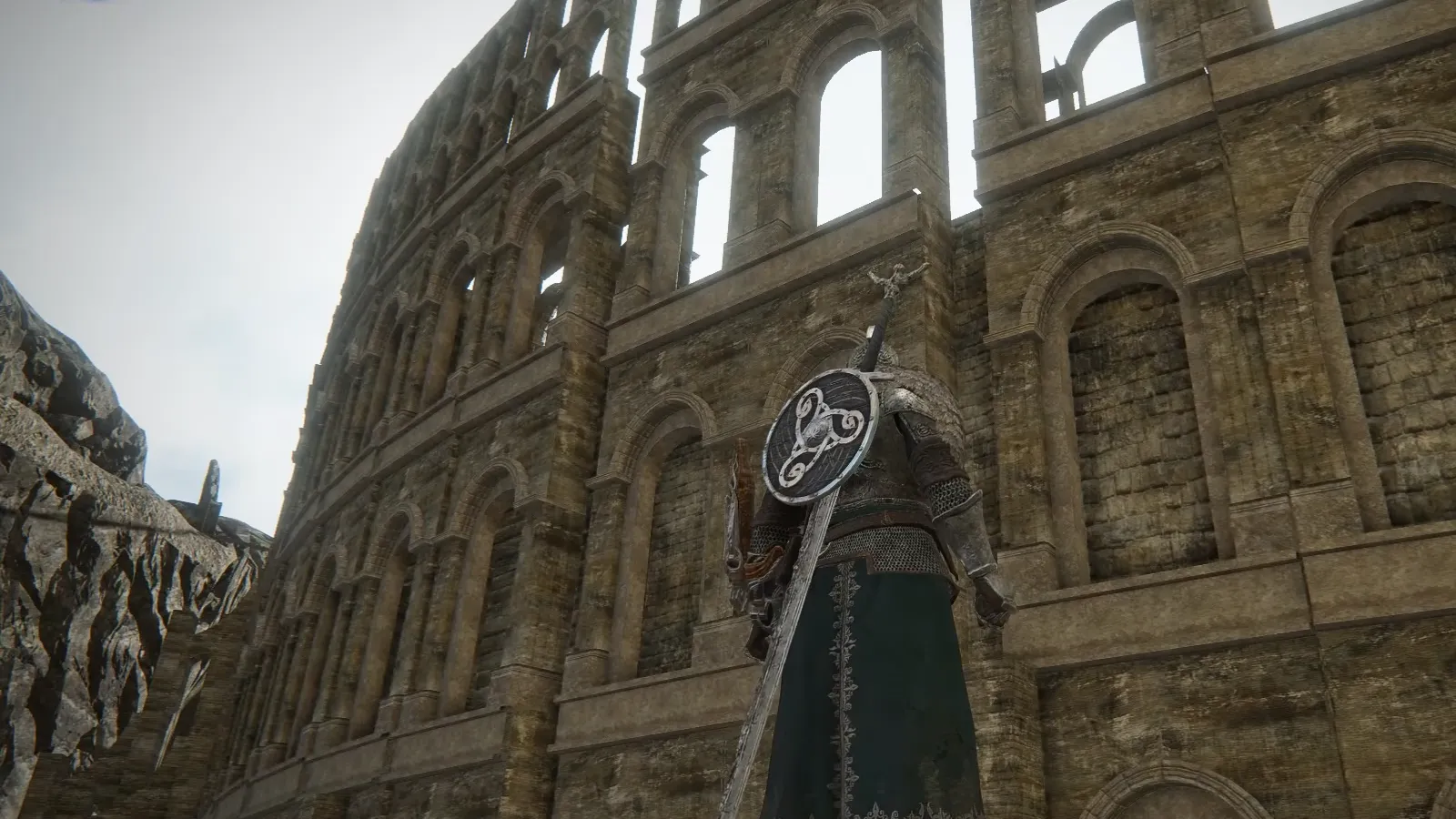
Every epic saga leaves behind more than just polished gameplay; it leaves behind ghosts—fragments of ideas, scrapped concepts, and the messy reality of development. The history of the Dark Souls series is a masterclass in this concept, especially when you look at the fascinating, unfinished blueprints lurking within the game files themselves.
Dive into the world of Dark Souls 2, and you encounter a narrative built on intense ambition and some truly chaotic development cycles. While the final product is a masterpiece, the evidence suggests that the path to that majesty was paved with discarded concepts. Dataminers and dedicated fans have unearthed traces of what could have been: a colossal coliseum zone, sprawling mines, a strange underground tower that hints at an entire sequence of arenas, and a deep crypt section.
These remnants aren’t mere file errors; they are whispers of design iterations. They hint at a version of the game that was even more sprawling and ambitious than what eventually made it into the hands of players. It forces us to wonder: what complex structure was intended to fit into the final design, and why did those ambitious plans get edited out?
The history of the Souls series is defined by difficult and rushed development. From the initial struggles of Demon’s Souls to the evolution of Dark Souls, the journey has been marked by shifting focus and significant creative pivots. The transition to Dark Souls 2, in particular, was marked by a wrestling match over core identity. While the game eventually achieved remarkable consistency, the early iterations experimented wildly with combat mechanics and story elements, resulting in a game that felt simultaneously divisive and groundbreaking.
This tension continued across the series. From the handling of the world state systems to the debates over lighting and narrative direction, the creation of these legendary worlds was fraught with tension. It’s the residue of that intense pressure that leaves behind these tantalizing prototypes, artifacts of a vision that was just out of reach.
The persistence of this cut content serves as a poignant reminder of the sheer scale of what was possible. The majestic scope of the final game makes these missing pieces all the more wistful. They are not just dead code; they are evidence of a potential reality that the developers chose to leave behind, allowing the final, polished version to stand as a singular, undeniable achievement.
Buy on Amazon
Credit
