DLSS 5 mod: Next-gen tech results in horrible frame rates
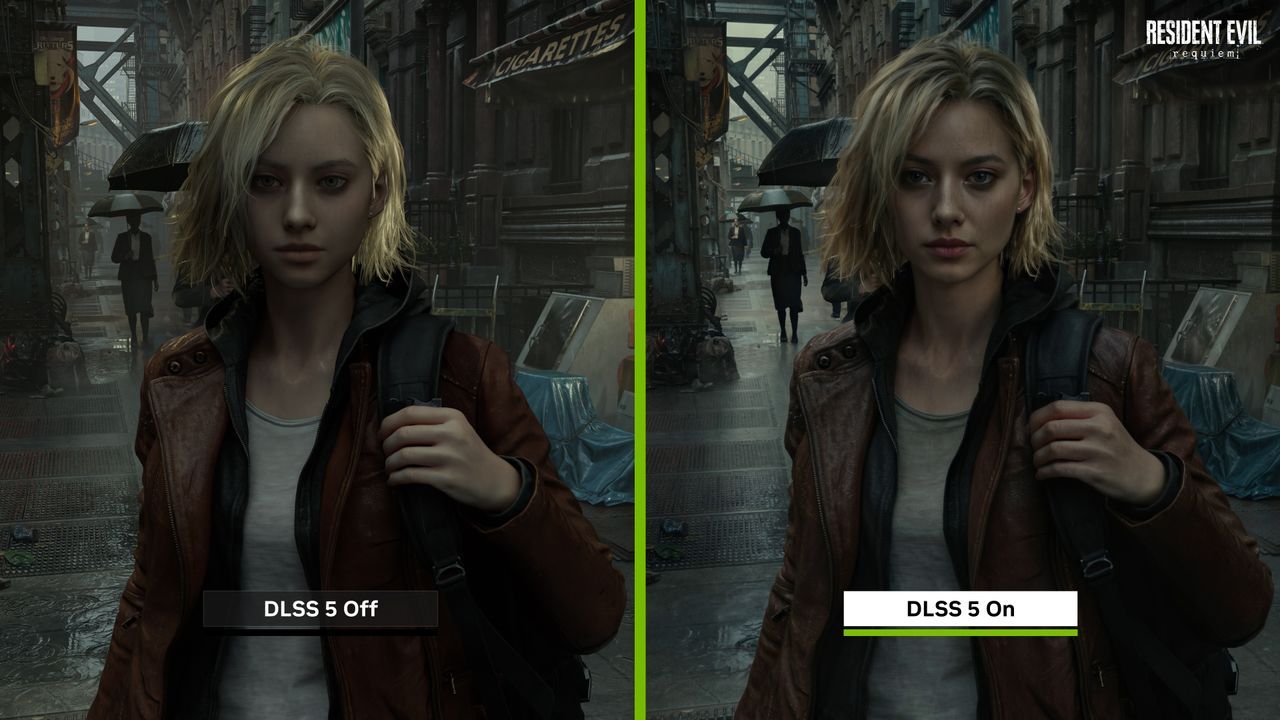
The promise of next-generation graphics technology often sounds like a utopian vision: sharper images, smoother gameplay, and limitless visual fidelity. This is exactly the kind of promise that surrounds Nvidia’s forthcoming DLSS 5 neural rendering technology. But as modders and enthusiasts delve into the leaked details of this advanced upscaling, the reality of integrating AI into real-time gaming performance reveals a fascinating, and often frustrating, balancing act.
Early testing, based on pre-release versions of the DLL, demonstrated that DLSS 5 offers sophisticated control through three distinct AI modes for adjusting levels of detail. While this sounds like a game-changer for visual quality, the immediate friction point emerges when performance is measured against the new standard.
The challenge isn’t just about image quality; it’s about the cost of realism. The community quickly experimented with the technology across various hardware, from the cutting-edge RTX 50-series GPUs down to previous-generation cards. Unfortunately, running the advanced neural rendering comes with a significant latency penalty. Frame pacing is now heavily dictated by the neural rendering process, meaning in some worst-case scenarios, frame times can multiply dramatically compared to native rendering.
To achieve that coveted photorealistic result, users often found themselves in a tight spot. To unlock the visual benefits of DLSS 5, they frequently had to dial down the in-game settings, trading some of the original visual fidelity for the promised neural fidelity. It becomes a genuine trade-off: do you prioritize visual accuracy or frame smoothness?
The performance results, as seen across different systems, were far from uniform. While some users reported impressive gains, others encountered struggles. For instance, while one user managed to push Cyberpunk 2077 to approximately 41 FPS using DLSS 5, they had to accept a resolution drop to 720p and utilize an ultra performance preset. In other tests, users running cards like the RTX 3080 Ti experienced performance dips, and specific titles like Hogwarts Legacy ran at various rates, from 25 FPS to a mere 2 FPS on some hardware.
Even for high-end cards, the performance dips were noticeable. For example, a leak showed an RTX 5070 Ti dropping from 71 FPS to 35 FPS at 4K resolution. This variability underscores the complexity of the equation, showing that the final outcome is highly dependent on the specific GPU and game being played.
This whole experiment highlights a broader shift in the GPU landscape. The enthusiasm surrounding AI features, like DLSS, has caused users to pivot their purchasing decisions based heavily on the AI capabilities available. The leap from the RTX 30-series to the upcoming RTX 50-series is substantial, and much of the excitement stems from the advancements in AI processing.
While Nvidia has yet to provide official timelines for the rollout of DLSS 5, it is clear that the focus is on integrating these features across the new architecture. The industry consensus is that the next generation of GPUs will be the first to natively support these advanced AI libraries, setting the stage for an evolution where visual fidelity and computational efficiency move closer to perfect harmony.
Buy on Amazon
Credit