DRAM chip supply could drop 70% in 2027 amid HBM demand
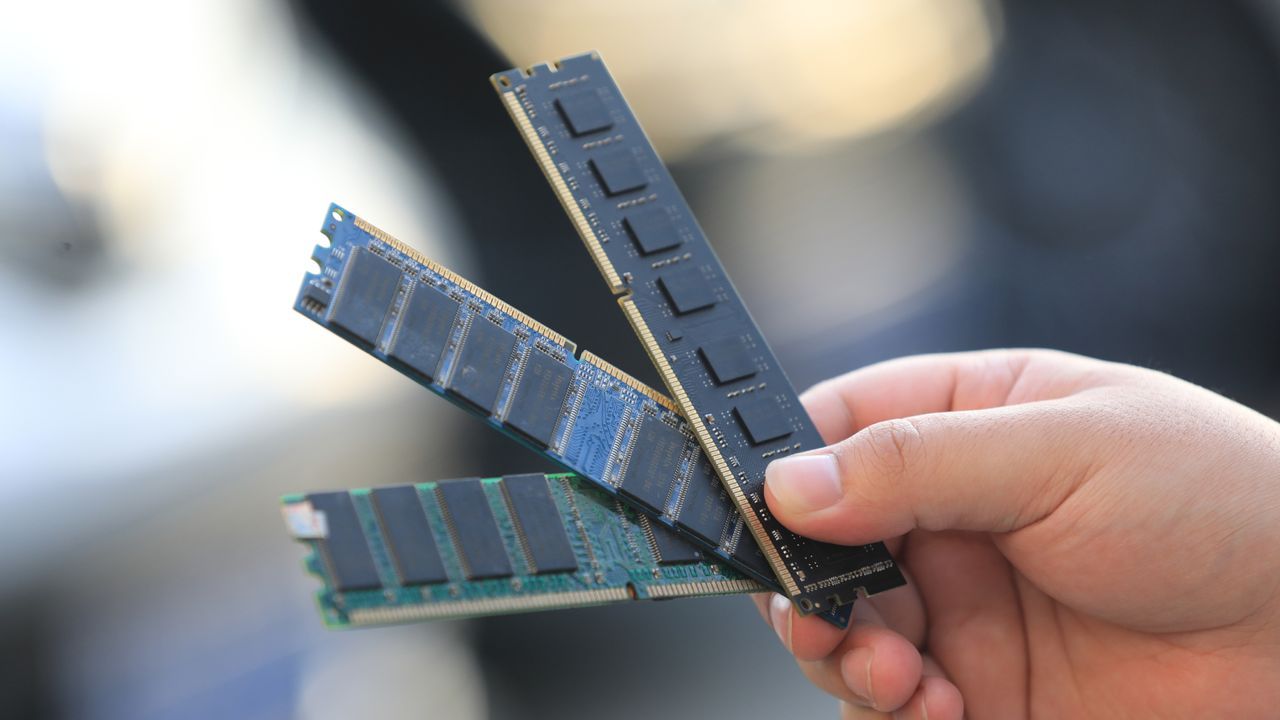
The relentless march of artificial intelligence is fueling an unprecedented demand for memory chips, but behind the shiny promise of AI infrastructure lies a growing supply bottleneck that experts warn will define the next few years. The story isn’t just about technology; it’s about the fierce, high-stakes battle for physical components.
For independent module makers like Apacer, the reality is stark: the supply chain remains tightly squeezed. C.K. Chang, CEO of Taiwanese memory vendor Apacer, recently projected that the memory supply from major DRAM manufacturers to these independent entities could drop to just 30% of the amount supplied in 2026. This sobering projection underscores a critical truth: the bottleneck isn’t just about pricing; it’s about physical availability.
The greatest risk facing module makers is no longer simply overpaying for chips, but failing to secure any supply at all. To navigate this scarcity, Apacer has been making strategic moves, growing its inventory significantly and arranging syndicated loans to ensure they can meet future demand when components are finally released from the production line.
This tension stems from a massive shift in how memory capacity is being allocated globally. The world’s largest memory chip producers—Samsung, SK Hynix, and Micron—are increasingly prioritizing higher-margin products like High-Bandwidth Memory (HBM) and advanced server memory to feed the AI infrastructure boom. As AI spending consumes manufacturing capacity, approximately 60% of DRAM output is now directed toward server-related applications, leaving conventional DDR4 and DDR5 products competing for a shrinking slice of the market.
This dynamic means that while demand from AI servers, enterprise storage, and industrial systems remains robust, consumer PC and smartphone demand is comparatively weaker. However, even this limited consumer demand is strong enough to help soak up some of the dwindling supply.
The impact extends beyond DRAM. NAND flash memory is also being pulled into the AI movement, primarily through the need for high-capacity enterprise SSDs used for data staging and model storage. While flash cannot replace DRAM due to bandwidth limitations, it serves as a vital tier within these complex AI memory systems, driving increased demand across the board.
Looking ahead, market forecasts suggest continued upward pressure on prices. Chang anticipates that DRAM contract prices will rise by approximately 30% during the third quarter of 2026, and NAND flash is expected to increase by more than 20%. This trend signals that scarcity is set to linger—with some industry analysts projecting the overall DRAM shortage could run for another decade.
Despite the challenges in manufacturing capacity and domestic pressures from Chinese producers, the strategic focus remains on securing supply. The market outcome suggests that possessing memory in 2027 will be far more valuable than having none at all—a stark reminder of how essential these foundational components are to the future of computing.
Buy on Amazon
Credit
