EA shuts down legendary RPG giant BioWare
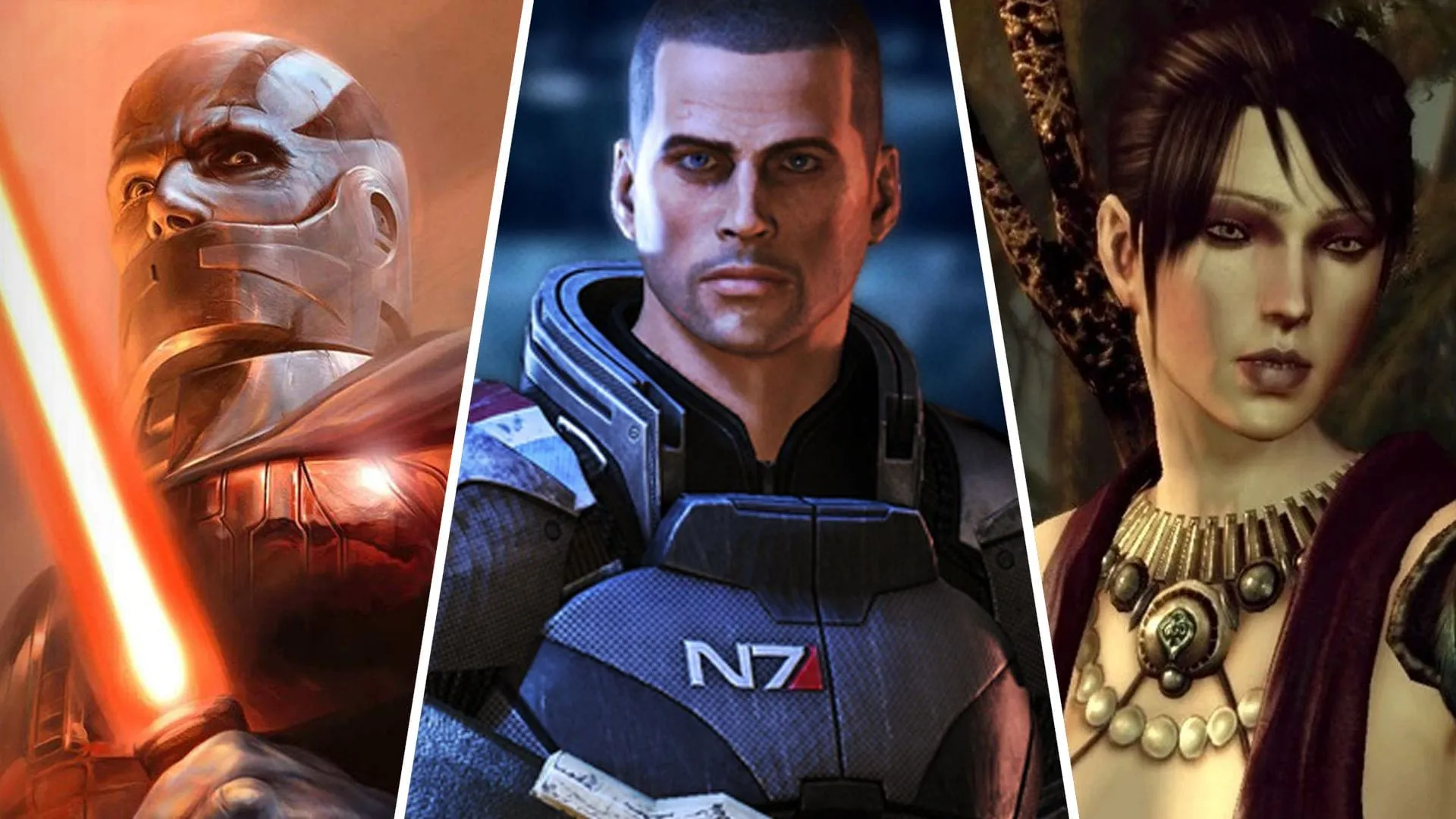
The world of epic role-playing games has recently witnessed the quiet, yet profound, closing of a legendary development house. BioWare, the studio responsible for crafting some of gaming’s most beloved and enduring sagas, is winding down its operations, and the promise of a new Mass Effect installment has been shelved.
Founded in 1995 by doctors Ray Muzyka, Greg Zeschuk, and Augustine Yip, BioWare didn’t just make games; they built entire universes. From the foundational adventures of Baldur’s Gate to the sprawling narratives of Dragon Age and the iconic Mass Effect series, the studio cemented its place in the PC gaming canon. These titles became celebrated for their deep characters, complex choices, and immersive worlds, inspiring generations of players.
The studio’s history of creative achievement was eventually absorbed into the mainstream by Electronic Arts in 2007. This move transformed BioWare into a powerhouse for expansive RPGs, bringing franchises like the Mass Effect trilogy and the first Dragon Age games to a wider audience.
However, the journey from beloved classic to corporate asset was marked by a series of creative and commercial hurdles. Follow-up titles, such as the 2017 entry Andromeda, did not meet the high expectations of the originals. Similarly, attempts to pivot into live service shooters, like Anthem, proved to be management missteps, leading to its eventual shutdown.
Most recently, the studio’s latest ambitious title, Dragon Age: The Veilguard, also experienced underperformance, according to the parent company.
The seismic shift in the gaming industry was further amplified by the recent acquisition of Electronic Arts. The deal was finalized in August, structured through a consortium including Saudi Arabia’s Public Investment Fund and investment firms Silver Lake and Affinity Partners. While the deal aimed for massive growth, it also triggered restructuring across the company, resulting in layoffs impacting approximately 400 employees, including those at BioWare.
Amidst these corporate realignments, the fate of BioWare’s future felt increasingly uncertain. Some employees had long sensed that the studio was on an inevitable trajectory, with some staff suggesting that it was simply a matter of time before the studio faced its end.
Despite the closure of the studio and the cancellation of upcoming projects, the legacy of BioWare—a testament to imaginative storytelling and deep character development—remains etched into the history of video games. The story of the creators and their worlds will continue to resonate long after the final credits roll.
Buy on Amazon
Credit
