End of nightmares Microsoft finally fixes hacked account issues
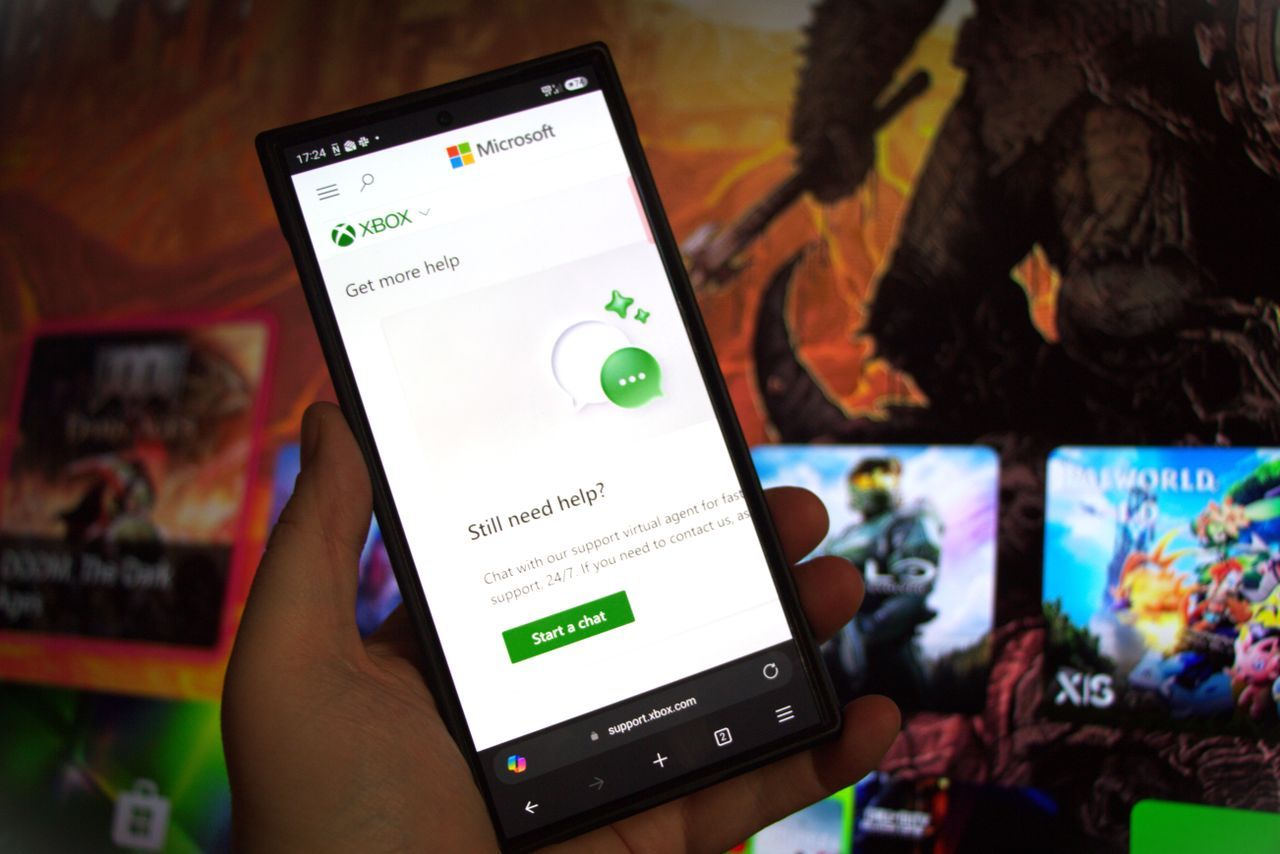
When you invest in a massive digital ecosystem like Xbox and Microsoft, you assume a certain level of security and ownership. But for millions of users navigating the vast landscape of cloud services, that trust often evaporates the moment a security breach occurs, leaving them stranded in an endless maze of corporate bureaucracy.
The reality is stark: if your digital life—your memories, financial records, and irreplaceable family photos—is stored in Microsoft’s cloud, the legal lines regarding ownership become incredibly murky. Users report that while they own the account, the terms of service allow the corporation to unilaterally strip access, and when things go wrong, the support system offers little more than frustrating dead ends.
The nightmare isn’t just about losing game access; it’s about losing decades of personal history. For many heavy Microsoft ecosystem users, the stakes are incredibly high. We’re talking about thousands of dollars invested in digital content, important professional documents, and family archives stored in OneDrive. When these assets are compromised, the sense of violation is immense.
Seeking help becomes an exercise in futility. Affected users describe navigating Microsoft support as a labyrinth—a Kafka-esque experience where attempts to prove ownership require endless forms, convoluted explanations, and the demand for eidetic memory regarding account history. When hacked, users often find that Microsoft acknowledges the breach but offers no meaningful recourse, instead advising victims to simply start over.
The frustration is amplified by how opaque the process is. Users frequently encounter vague bans or denials based on ambiguous terms of service violations. It raises uncomfortable questions about whether AI-powered support systems are merely adding another layer of automated roadblocks, potentially flagging innocent personal data—like family photos—as violations simply because they don’t fit a pre-approved pattern.
One striking example illustrates this systemic failure. A content creator who fell victim to malware spread through third-party platforms had to achieve viral status just to prompt Microsoft to address his account recovery. This situation highlighted a profound imbalance: accountability was only mobilized when public visibility forced the corporation’s hand, not when a user simply sought help.
This pattern is not isolated. Accounts have been lost or corrupted for various users facing ambiguous service violations, and reports suggest that real human oversight remains sorely lacking. It seems that complex legal realities are being ignored in favor of automated responses, leaving victims without the necessary protection.
Behind this system, a deep structural issue exists: Microsoft has long relied on underfunded support services, outsourcing critical functions to agencies in developing nations where language barriers exacerbate the problem. This reliance on AI and automated responses, while efficient for mass transactions, has resulted in an inability to handle complex, sensitive security matters effectively.
As digital ownership becomes increasingly central to modern life, the need for regulatory intervention is paramount. Legal experts and regulators are now being pressed to re-examine what rights individuals possess over their own cloud data. The current scenario suggests that without external pressure, fundamental questions about data control will remain unanswered.
While Microsoft maintains that it works with users through channels like X Direct Messages, the experience of many affected individuals underscores a critical gap: genuine accountability requires more than automated responses. For those who have invested their time and money in these services, the demand is clear: a shift toward transparent, human-led support that honors the trust placed in them.
Credit
