Epic delays Disney shooter for AI coding pivot
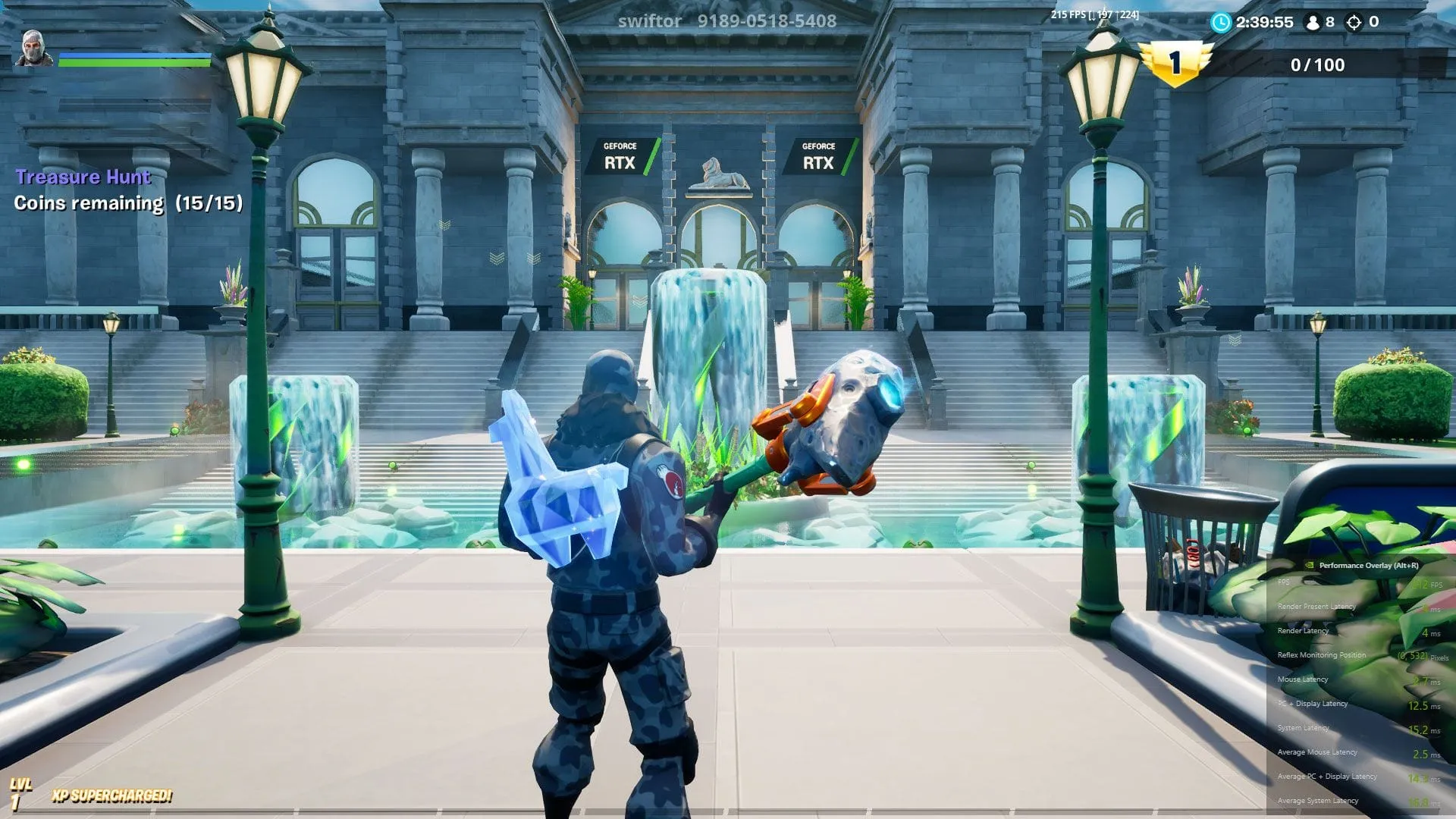
The AI Revolution is Rewriting the Code: Epic Games Bets Big on Machine Learning
In the fast-paced, often unpredictable world of game development, sometimes the biggest hurdle isn’t creative vision or funding—it’s the tools themselves. Epic Games, a titan in the gaming industry, is currently navigating this shift, implementing a radical pivot toward artificial intelligence to redefine how games are built. This strategic change has had immediate ripple effects, notably impacting a highly anticipated title based on Disney’s massive Marvel and Star Wars franchises.
The pressure to innovate was palpable. Developers working on the new title, slated for release in 2027, were reportedly given a clear directive: embrace AI. This wasn’t just a suggestion; it meant moving away from traditional methods. Reports indicate that the goal is to usher in an “AI first” production model, eliminating the reliance on handwritten code and integrating full AI workflows for generating art and assets.
This ambitious shift wasn’t made in a vacuum. Epic Games founder Tim Sweeney recently publicly confirmed the massive internal effort underway. He articulated the vision, stating that the company is undergoing a “huge pivot underway here at Epic, moving developers around to retool for maximum AI acceleration.” The aim, as Sweeney defined it, is not simply to cut staff, but to enable every team using the Unreal Engine to build MORE and BETTER content.
Sweeney frames AI not as a replacement for creativity, but as an accelerator—a powerful tool for handling the tedious, repetitive tasks that slow down human progress, such as finding code errors or rigging complex 3D models. The philosophy is clear: AI handles the mundane so human developers can focus on the creative direction.
While the immediate reaction from some developers was a mix of astonishment and humor—some jokingly considered asking an AI like Claude to fix their own errors—the reality of AI-accelerated development is already producing astonishing results across the industry. We are already seeing developers leverage AI to build surprisingly complex, vibe-coded games, including unique clones and decompiled versions of major titles.
For instance, some creators are using AI agents to build free browser-based experiences or explore the limits of generative models, demonstrating how quickly tools can bridge the gap between concept and playable reality. This trend highlights a powerful reality: AI is transforming the very mechanics of game creation, pushing boundaries in ways that were previously unimaginable.
However, the integration of this technology comes with its own set of controversies. While the potential for acceleration is immense, the speed of change raises critical questions about ownership, authenticity, and the role of human artists in the creative process. As the industry moves toward an AI-augmented future, the conversation is quickly shifting from simply how to use AI to what it means to be a creator in an automated landscape.
Buy on Amazon
Credit
