EU court rules VPNs are lawful tools in Anne Frank copyright case
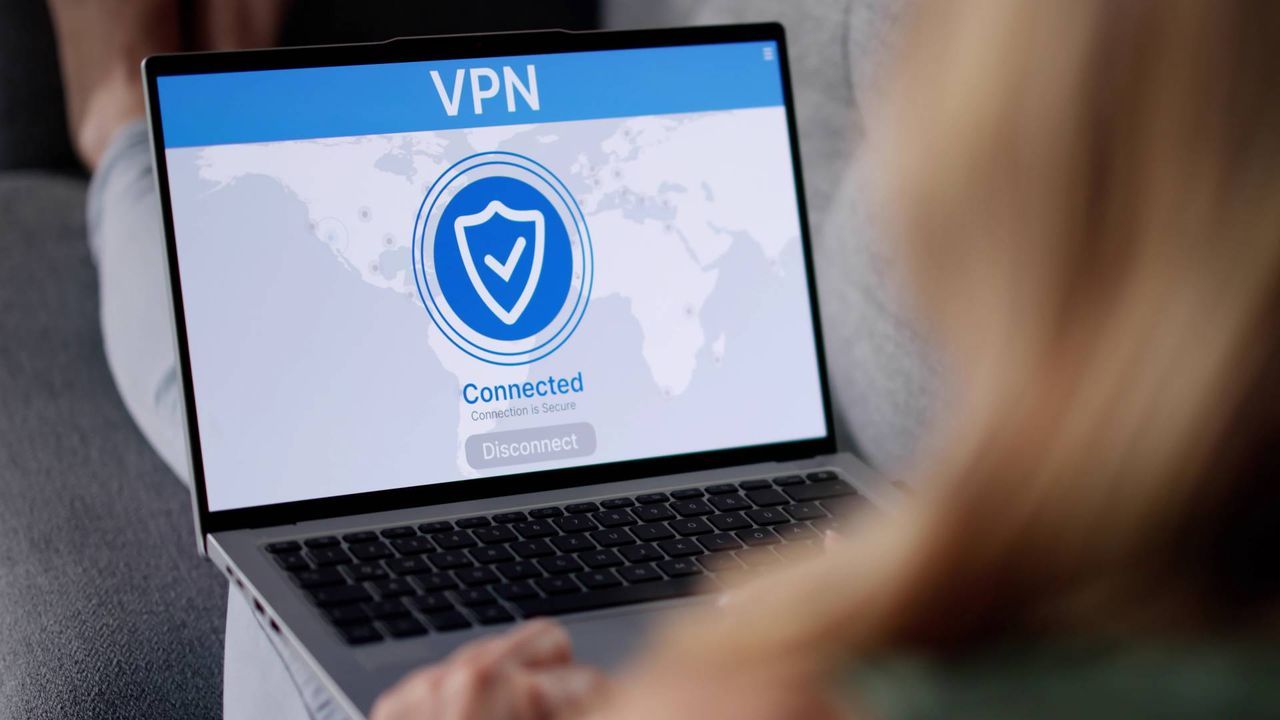
The Internet’s Shield: How a Landmark EU Ruling Redefined the Role of VPNs
In a major victory for digital freedom, one of Europe’s highest courts delivered a sweeping verdict that reframes how we view digital privacy tools. In a landmark decision concerning copyright and online publication, the Court of Justice of the European Union declared that Virtual Private Networks (VPNs) are fundamentally lawful technical tools which users may legitimately use.
This decision emerged from a complex legal dispute involving the online sharing of historical manuscripts, specifically pertaining to The Diary of Anne Frank. While the court navigated the nuances of copyright—noting that rights over certain texts may remain protected until at least 2037—the focus quickly shifted to the role of technology in accessing information.
The core legal challenge centered on whether online publishers and hosts were liable for copyright infringement when users utilized VPNs to bypass geographic restrictions. The court had to determine if the method of bypassing location-based barriers negated any potential liability, setting a powerful precedent that prioritized legitimate access over simple geo-blocking.
Crucially, the judgment drew a clear line regarding responsibility. It established that VPN providers themselves are not directly responsible for giving “end users access to a protected work.” The blame for infringement rests with the person who published the material on the site, rather than the service that enabled the connection.
This ruling effectively puts a lid on concerns about circumvention. While geo-blocking measures can be bypassed by technology like a VPN, the court determined that this possibility cannot serve as a deciding factor in labeling those restrictions as ineffective or inadequate.
By classifying VPNs as legitimate technical instruments, the judgment pushes back against the notion that these tools are only for questionable ends. It affirms that the ability to connect freely and securely is a right that should not be unduly restricted by geographical barriers or legal ambiguities.
The implications extend far beyond historical documents and copyright law. This ruling addresses the ongoing, high-stakes debate surrounding digital privacy, censorship, and state control over internet access. For years, VPNs have stood as a potent symbol of digital freedom, often clashing with government attempts to impose limitations.
Across the globe, this tension plays out daily. Nations have explored restrictions or outright bans on these tools, driven by concerns about content moderation and age verification, such as in the United Kingdom’s recent considerations regarding the Online Safety Act. While some governments have flirted with limiting VPN use, they ultimately recognized the importance of privacy.
This new EU ruling sends a clear signal: technology designed to enhance privacy and secure communication must be respected. It reinforces the idea that technical tools should facilitate legitimate access rather than becoming obstacles for free movement of information.
Buy on Amazon
Credit