FBI arrests teen who stole $200k using malware games
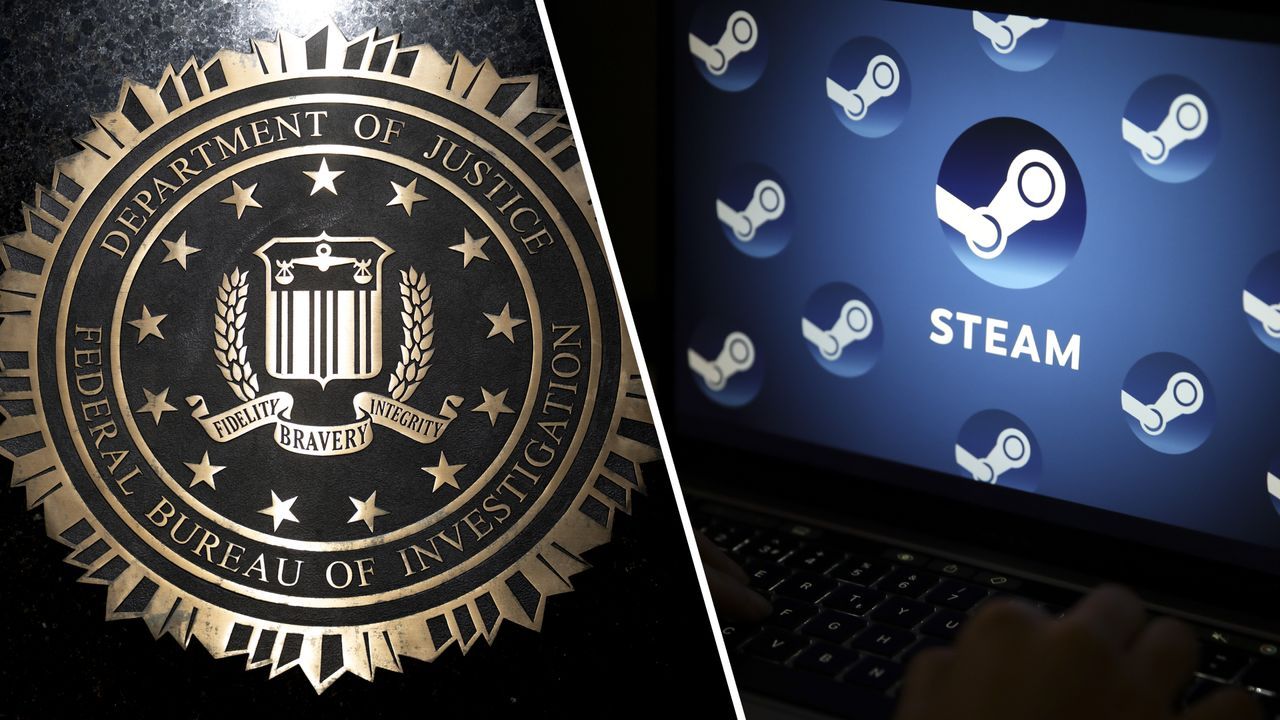
The digital world, once a playground for creativity and connection, has recently become the arena for some of its most elaborate schemes. The FBI has uncovered a staggering operation where malware, cleverly hidden within popular Steam games, was weaponized not just for disruption, but for massive financial theft. This high-tech heist connects the digital chaos of gaming platforms directly to the dark side of cryptocurrency fraud.
At the center of this sophisticated scheme is Zyaire Dontaevious Zamarion Wilkins, a 21-year-old Florida resident who has been arrested for allegedly orchestrating this cybercrime. Wilkins and two unnamed co-conspirators used these malicious games as a delivery system to infect approximately 8,000 personal computers with harmful software.
The operation was anything but simple. Instead of traditional hacking, the group leveraged the popularity of digital distribution platforms to spread their payload. They encouraged social media users across platforms like Discord, Telegram, X, and LinkedIn to download these malware-laden games. To ensure maximum profit, they deployed sophisticated chatbots designed to sift through data and pinpoint individuals with substantial cryptocurrency holdings.
The ultimate goal was clear: exploit the digital footprint of game players to identify wealthy targets and siphon off their digital assets. The criminal enterprise extended beyond mere hacking; it involved deep digital reconnaissance, utilizing Google cookie records and linking various accounts—including those tied to Apple and T-Mobile—to map out the network for exploitation.
Investigators were able to connect Wilkins to the wider conspiracy by tracking these digital threads. A search warrant led the FBI to seize devices associated with linked accounts. Among the seized materials, evidence emerged detailing coordination messages concerning the malware distribution scheme and the flow of Bitcoin payments to an individual known only as “Sibel.eth.”
This transaction chain revealed a chilling reality. The money stolen from the infected computers was not simply digital zeroes; it represented real-world losses. Through this elaborate network, the group managed to steal at least $220,000 from roughly 80 cryptocurrency wallets—a sum that included funds allegedly intended for humanitarian causes, such as cancer recovery donations.
While the identity of the individual who wrote the core malware remains under investigation, the scope of the operation highlights a growing vulnerability in the gaming and social media landscape. This case serves as a stark reminder that behind the immersive experience of virtual worlds, dangerous realities of digital exploitation can lurk, requiring law enforcement to adapt to ever more complex threats.
Credit