Flight Stick Feature Revolutionizes MSFS PS5 Gameplay
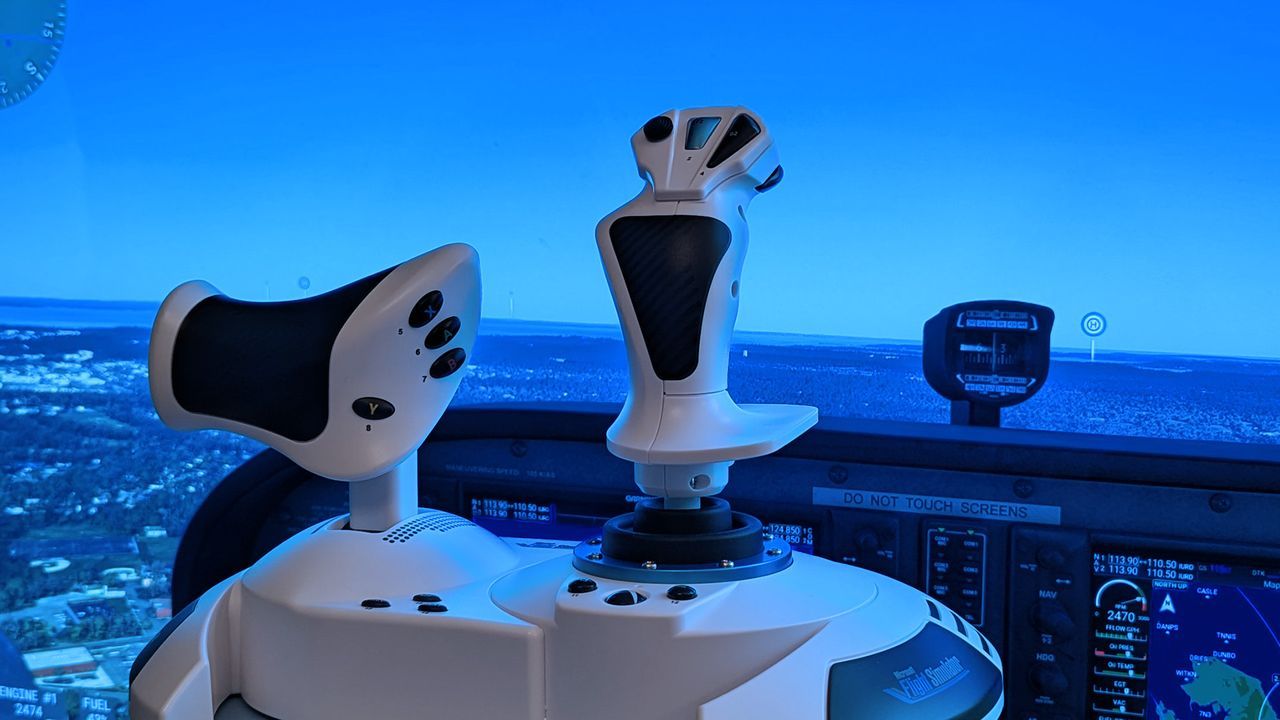
When diving into the world of flight simulation, the quest for true immersion often leads pilots straight to the controls. For those launching their journey with Microsoft Flight Simulator 2024, upgrading beyond a standard controller isn’t just about comfort—it’s about achieving that elusive level of granular control that transforms a virtual flight into a genuine experience.
Recently, the discussion turned to hardware choices, specifically eyeing the Thrustmaster T.Flight Hotas One. This particular piece of equipment represented a logical step up for many, offering superior handling and the fine adjustments necessary for realistic flight paths.
But the real revelation didn’t come from the stick itself, but from an unexpected feature: the inclusion of a connector designed for external rudder pedals. This detail immediately brought to light a curious disparity across gaming ecosystems.
While pilots on the Xbox and PC platforms have ample choices regarding peripherals, including dedicated pedal options like those offered by Turtle Beach, players on the PlayStation 5 seem to be left with fewer options. The absence of hardware designed to facilitate external rudder pedals, for instance, highlights a noticeable gap in peripheral availability within the PS5 ecosystem.
This situation begs the question: is this a matter of preference, or is it an issue of market focus? Simulation enthusiasts often find that affordable peripherals—like the Thrustmaster setup—become even more critical when platform-specific hardware options are limited. The simulator itself may be agnostic, but the tools used to interact with it are not.
Despite the current constraints, this reality doesn’t stop progress. It demonstrates a powerful truth: you don’t always need to spend a fortune to achieve the best experience. Even when market choices feel restrictive, there is always room for innovation and finding creative solutions.
The fact that some hardware can bridge these gaps, even with simple connectors, proves that the pursuit of realistic simulation is thriving. It shows that while the landscape evolves, there remains a lot of exciting territory to explore in how we connect our controllers to the world around us.
Credit
