Framework 13 Pro visual deep dive review
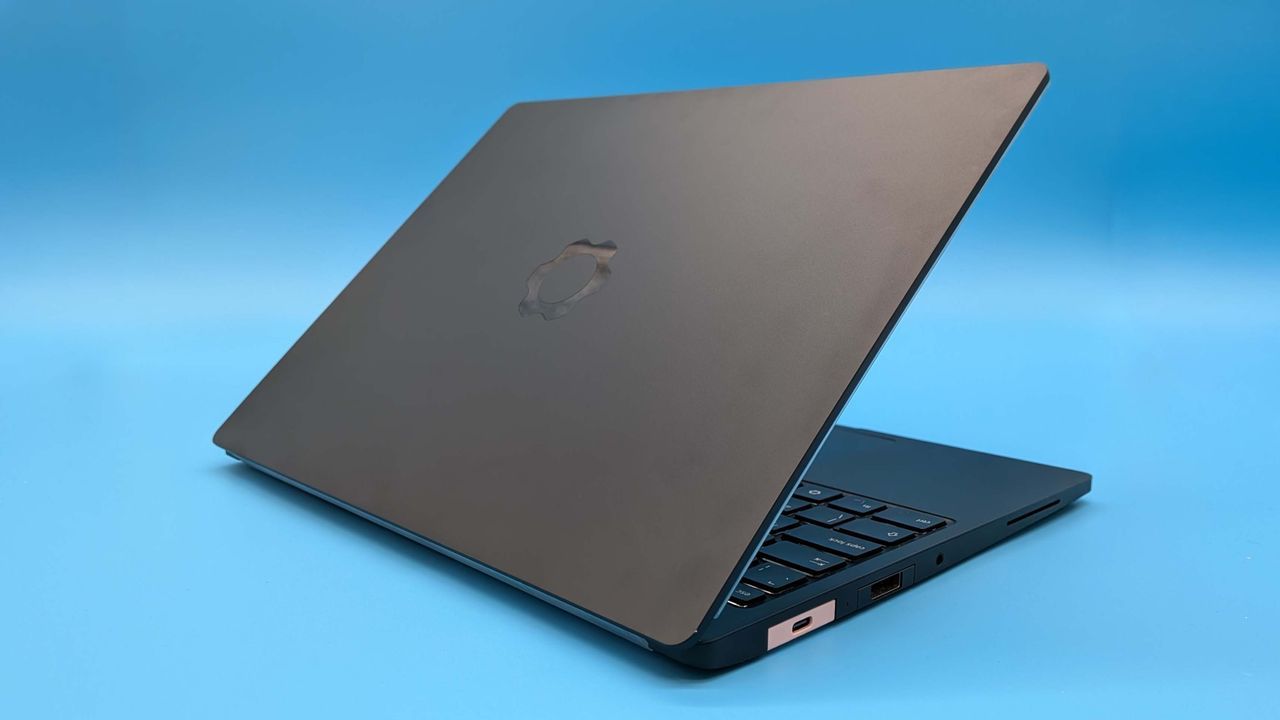
The Framework 13 Pro isn’t just a laptop; it’s a statement. The moment you interact with it, you understand why enthusiasts build around its ethos: a machine that perfectly balances cutting-edge hardware with a radical commitment to upgradeability and repairability. Despite a splash of bubblegum pink USB Type-C ports, this device is undeniably serious business, serving as the pinnacle of Framework’s hardware journey while steadfastly refusing to compromise on core principles.
This next-generation laptop features the powerful Panther Lake-based Core Ultra Series 3 mainboard at its core, delivering a package that is almost dreamlike. It offers nearly silent operation, super-long battery life, and outstanding gaming performance—all wrapped in a chassis that feels remarkably solid and premium. The new CNC-milled aluminum exterior gives it the robust feel of a high-end MacBook or Razer Blade, showcasing the company’s evolution into truly sophisticated design.
But there are trade-offs inherent in this pursuit of perfection. Achieving this level of integration comes at a significant price tag, largely driven by the focus on ultra-expensive LPCAMM2 memory modules. While Framework has pioneered upgradeability across generations, integrating these high-bandwidth components has made the cost of the 13 Pro considerably prohibitive for many consumers, particularly those with Intel configurations.
Framework cleverly maintains compatibility, allowing users to select parts from the Marketplace store across previous devices. If you prioritize aesthetics—the beautiful chassis and input cover—you can enjoy those features. If you need specific upgrades like a new touchscreen, you can easily pick them up independently.
The internal performance is stellar. The Intel Core Ultra X7 358H chip, paired with the Arc B390 integrated graphics core, provides impressive gaming capabilities. The system is tuned to be remarkably quiet, managing thermal output efficiently thanks to the new cooler design and Panther Lake architecture. While pushing maximum frame rates inevitably brings thermal throttling, the machine maintains a genuinely chilled and enjoyable experience for most tasks.
A point of interest lies in the memory implementation. Framework utilized LPCAMM2 modules to achieve high memory bandwidth without soldering LPDDR5X directly onto the motherboard, preserving repairability. However, installing these specialized modules requires careful attention, as aligning pins on these new modules is a delicate process that demands precision—a reminder that even the most elegant designs require a level of care during installation.
The experience is further enhanced by improved physical components. The keyboard offers increased travel, making typing a genuine joy, and the haptic touchpad provides responsive feedback, designed to bridge the gap for users transitioning from traditional systems. Even the audio setup has been refined with new side-firing speakers, though they deliver clear sound rather than room-filling bass.
From a software perspective, Framework remains delightfully minimal. There is no bloatware; the operating system installation is lean, allowing users complete freedom over their setup. While this minimalist approach grants unparalleled control over the machine, it means there is less granular system control, such as fan or SoC temperature settings, compared to gaming handhelds.
Battery life continues to impress. Even when testing heavy loads and gaming, the 13 Pro offers excellent endurance. While Windows configurations provide some optimization tricks, an all-day experience is easily achievable, proving that this machine is equally capable for work and play on the go. In fact, extended testing in Linux environments, such as Fedora Cosmic Atomic, showed remarkable battery longevity, suggesting that Framework‘s architectural optimizations are truly powerful.
Ultimately, the value of the Framework 13 Pro exists at a fascinating intersection: you pay a premium for a long-term commitment to upgradeability and repairability, even if the initial outlay is steep. It forces the user to weigh the immediate cost against the lifetime potential of a machine designed to evolve with its owner. For those who embrace this philosophy, the 13 Pro stands as an exquisite, powerful, and deeply satisfying piece of technology.
Buy on Amazon
Credit