Game dev sim so deep your game can get cyberleaked
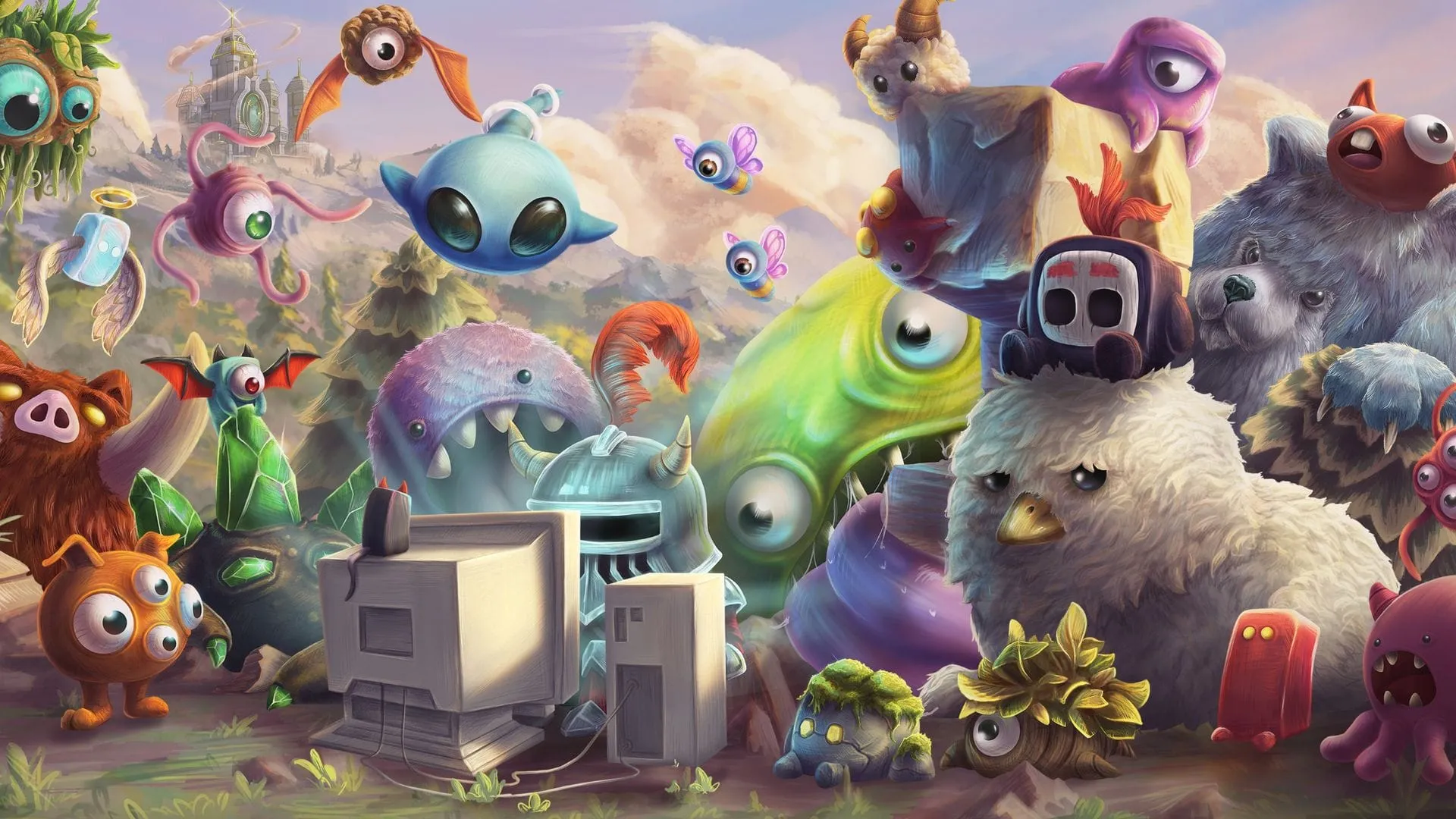
What if you could build your own video game? In Let’s Build a Dungeon, that hypothetical scenario becomes a deeply engaging reality. This simulation, developed by Springloaded, invites players to dig dungeons, populate them with monsters, design traps, and craft quests—but it’s much more than just dungeon crawling. It’s an immersive experience that tackles the entire, wonderfully chaotic process of game development.
But the true depth of the game lies not just in the creative act, but in the intense, often absurd, simulation of the business and social life surrounding the creation. You won’t just be a designer; you’ll be a studio founder dealing with investors, managing finances, navigating the press, and dealing with the inevitable crunch. It’s a full-spectrum experience that puts you in the driver’s seat of the entire ecosystem.
The simulation gets even more delightfully complex when it mirrors the actual digital world. Let’s Build a Dungeon simulates the backend of platforms like Steam and sites like SteamSpy, allowing you to watch your creation compete against the masses. This competitive element is fed by real metrics like wishlists, impressions, click-through rates, and conversions, giving the player a tangible understanding of how games actually succeed in the market.
The simulation extends into the very technology you are building. As your virtual game expands, it requires more resources. The game runs on fictional hardware, and the simulation tracks the history of computing, showing how advances from CGA to VGA necessitated larger hard drives and higher-resolution assets. Players don’t just see the difference; they hear it, as the game’s soundtrack shifts based on the simulated audio card, reflecting the evolution of the simulated computer.
The logistics of development are equally real. Organizing team members for game showcases involves a “ridiculous minigame” that simulates flight bookings and hotel stays, complete with simulated layovers. Developers must calculate the distance and stopovers based on where their studio is located, demonstrating how real-world geography impacts the development schedule. This detail grounds the project in the messy, complex reality of making something.
And then there are the truly human elements. While you are managing multimillion-dollar logistics, you are also dealing with the completely unrelated demands of home life. Players receive reminders from their loved ones, like pie recipes and cat videos, which introduce unexpected rewards and moments of levity into the intense work cycle. One unique feature allows designers to incorporate these domestic inspirations, letting players create in-game pies that players can eat, adding a layer of personal, whimsical detail to the project.
Even the risks of the digital world are simulated. The experience acknowledges the shadowy side of the industry, simulating potential threats like cyberleaks where a rogue hacker might attempt to ransom your game or steal your financial data, forcing players to contend with real-world security concerns.
Let’s Build a Dungeon offers multiple ways to engage. Whether you want to dive deep into the business management, test the creative engine in a sandbox, or simply play the games created by other players, there is a mode for every mood. The game is arriving in early access in February, and a demo is available now, inviting anyone ready to build their own digital empire.
Buy on Amazon
Credit
