Ghost Recon news means no Splinter Cell remake update
Ubisoft is gearing up to celebrate a major milestone for one of its franchises, promising fresh updates related to Ghost Recon in August. This announcement, timed just shy of a week after previous speculation, sets the stage for what promises to be another chapter in the ongoing saga.
While the anticipation surrounding the Ghost Recon news is palpable, it’s worth contextualizing this release within the broader landscape of Ubisoft’s current operations. Many observers noted that this kind of high-profile hype often serves as a distraction from more pressing corporate realities—specifically the recent sweeping layoffs and studio closures taking place across the company.
Ghost Recon itself, while a foundational title, does not carry the same monumental weight as some of the massive, highly anticipated sequels. Yet, the company is clearly deploying these anniversaries to generate buzz, demonstrating that even established franchises are leveraged in the current business climate.
This focus on corporate maneuvering naturally leads one to consider the entire Ubisoft universe. The underlying theme, whether you like it or not, is that sometimes the most compelling stories emerge when you look at the whole collection of properties, especially those rooted in the Tom Clancy world.
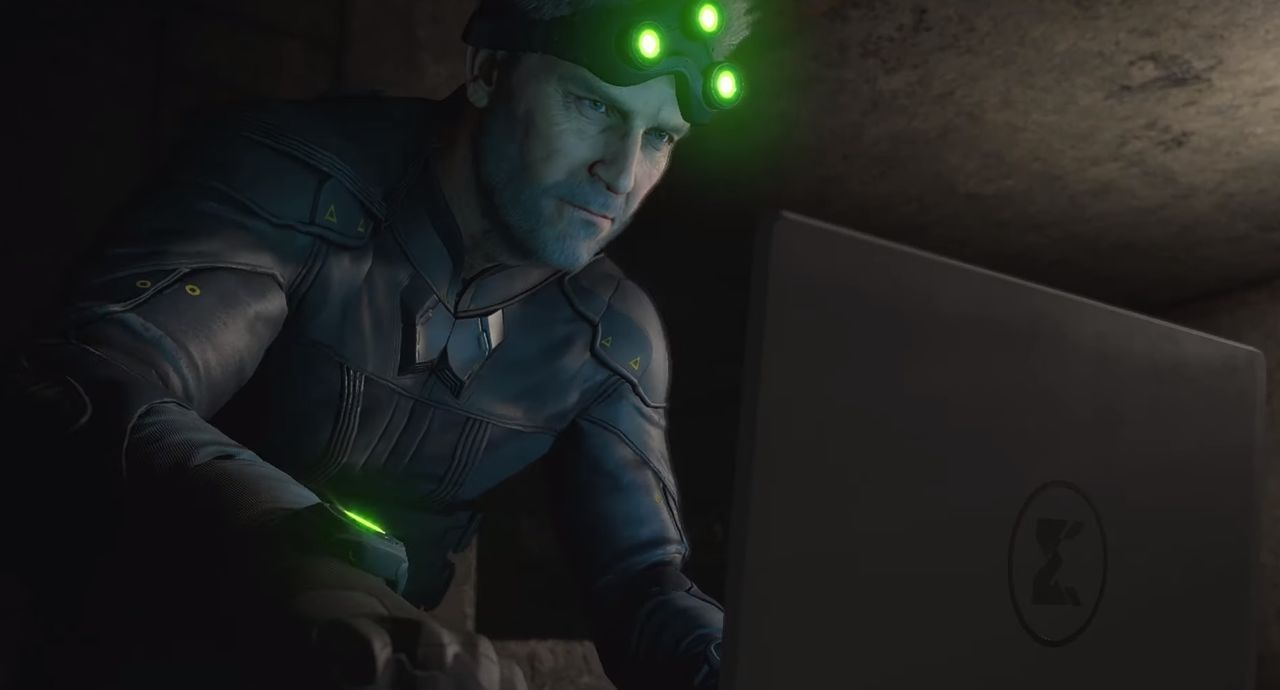
Enter the Splinter Cell narrative, which serves as a perfect touchpoint for this observation. Given the interconnected nature of the Clancyverse—The Ghosts, The Rainbows, and the Echelons—fans naturally look for attention to be paid to every corner of that universe. And when it comes to one of those critical limbs, Team Splinter Cell often seems to slip behind schedule.
Looking at the history of Splinter Cell updates reveals a pattern of fascinating inconsistencies. The timeline for major events, such as the remake announcement and subsequent development, has been marked by delays and shifts in direction. From the initial enthusiasm surrounding the remake to recent activities involving Netflix adaptations and marketing teasers, the pace has often been maddeningly inconsistent.
This lack of timeliness extends beyond Splinter Cell. Other long-awaited projects have faced significant turbulence; for instance, the Sands of Time remake was canceled after years of development, while titles like Skull and Bones arrived considerably later than expected. Even behemoths like Beyond Good and Evil 2 have survived these corporate upheavals, though their journey has been anything but smooth.
The reality is that project management, especially at a company the size of Ubisoft, often struggles with hitting crucial deadlines. The feeling is that the timing isn’t always on the side of the fan, leading to moments where corporate strategy seems more focused on internal restructuring than delivering punctual, polished entertainment.
Despite these challenges, there remains hope for future milestones. The 25th anniversary of the original Splinter Cell game is still on the horizon in 2027, offering a potential marker for renewed focus and celebration. For now, we wait to see what new intelligence Ubisoft has to share regarding Ghost Recon and the rest of their sprawling portfolio.
Buy on Amazon
Credit
