
Gigabyte resurrects B450 AM4 budget king for DDR4
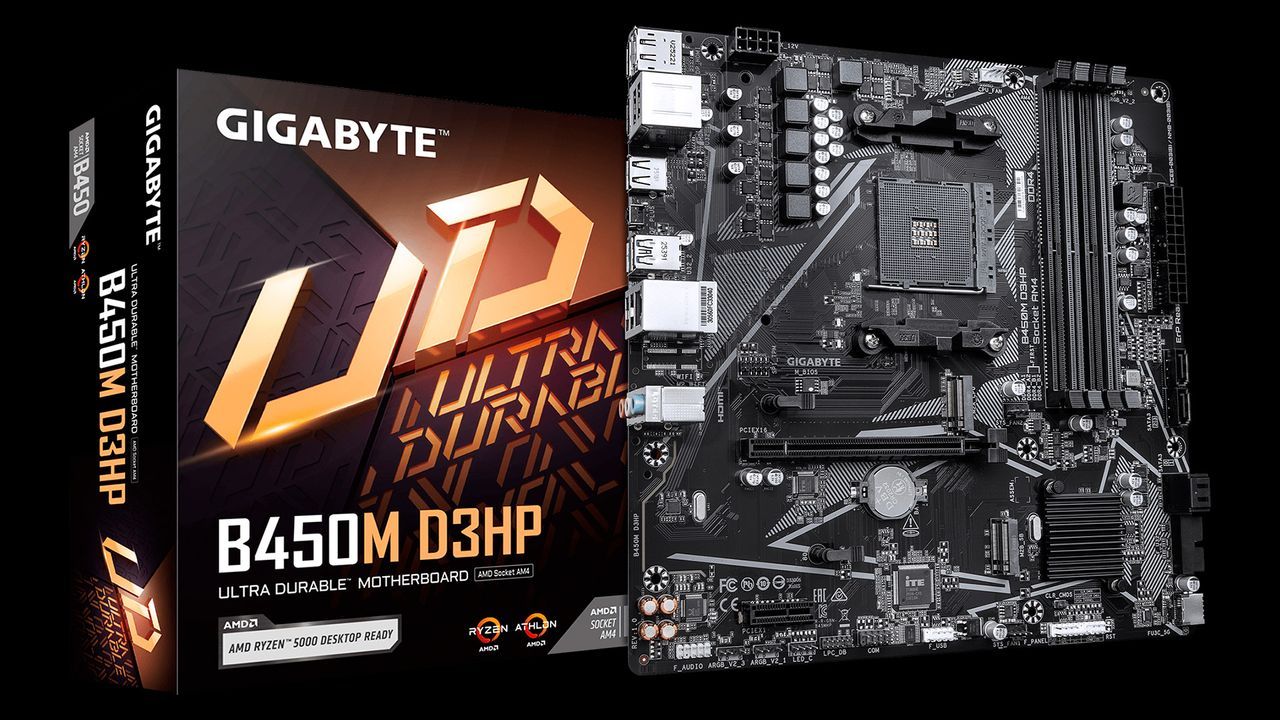
The relentless pursuit of cutting-edge memory technology has recently thrown a wrench into the PC world. As the industry grapples with the ongoing memory crunch, the focus has shifted from future-forward systems to pragmatic solutions—which often means looking back at hardware that proved its worth.
This necessity has spurred chipmakers and motherboard vendors to kickstart production of hardware compatible with more accessible DDR4 memory. It’s a clever maneuver: instead of waiting for the next generation, manufacturers are revitalizing older platforms to offer budget-friendly alternatives, offering consumers a lifeline amidst the scarcity.
One area where this pivot is making waves is in the AM4 ecosystem. The B450 chipset, while perhaps an eight-year-old design, has long served as the budget king for the platform. Now, companies are leveraging this foundation to bring refreshed options to the market.
Gigabyte has stepped up with these revitalized boards, launching models like the B450M D3HP and the slightly more advanced B450M D3HP WIFI6E. These motherboards build around AMD’s established B450 chipset, providing a sturdy foundation for modern systems.
These board designs are surprisingly versatile. Despite being budget-focused in their design, they manage to support a vast range of processors, accommodating everything from entry-level chips like the Athlon 200GE up to high-end CPUs like the Ryzen 9 5950X. This means that users can pair these boards with various Ryzen processors and APUs, ensuring maximum compatibility for a wide spectrum of build choices.
The feature set remains practical and packed with useful connectivity. These motherboards offer four DDR4 memory slots, supporting up to 128GB at DDR4-2667 speeds. Storage flexibility is handled by two M.2 2280 slots—one operating at the faster PCIe 3.0 x4 speed, and the other at PCIe 2.0 x2. For those needing older storage solutions, four SATA III connectors are also included.
Connectivity is balanced and robust. The boards feature one PCIe 3.0 x16 slot for a dedicated graphics card and one PCIe 2.0 x1 slot for add-in cards. Display options include a DisplayPort 1.2 and two HDMI 2.0b ports, making them suitable for both integrated graphics users and those opting for a powerful dedicated GPU.
For daily use, the boards offer seven USB ports (four USB 3.2 Gen 1 and three USB 2.0), a single Gigabit Ethernet connection, and the handy Q-Flash Plus button, which allows seamless BIOS updates without needing a CPU, memory, or graphics card installed.
While official pricing for these updated models has yet to be revealed, it’s clear that Gigabyte is positioning the B450M series firmly in the entry-level category. Given the current market volatility and high demand, observers will be watching closely to see if this strategy allows them to maintain competitive, affordable price points for these essential components.
Buy on Amazon
Credit