Gnarly RE Engine dismemberments inspire future Capcom games
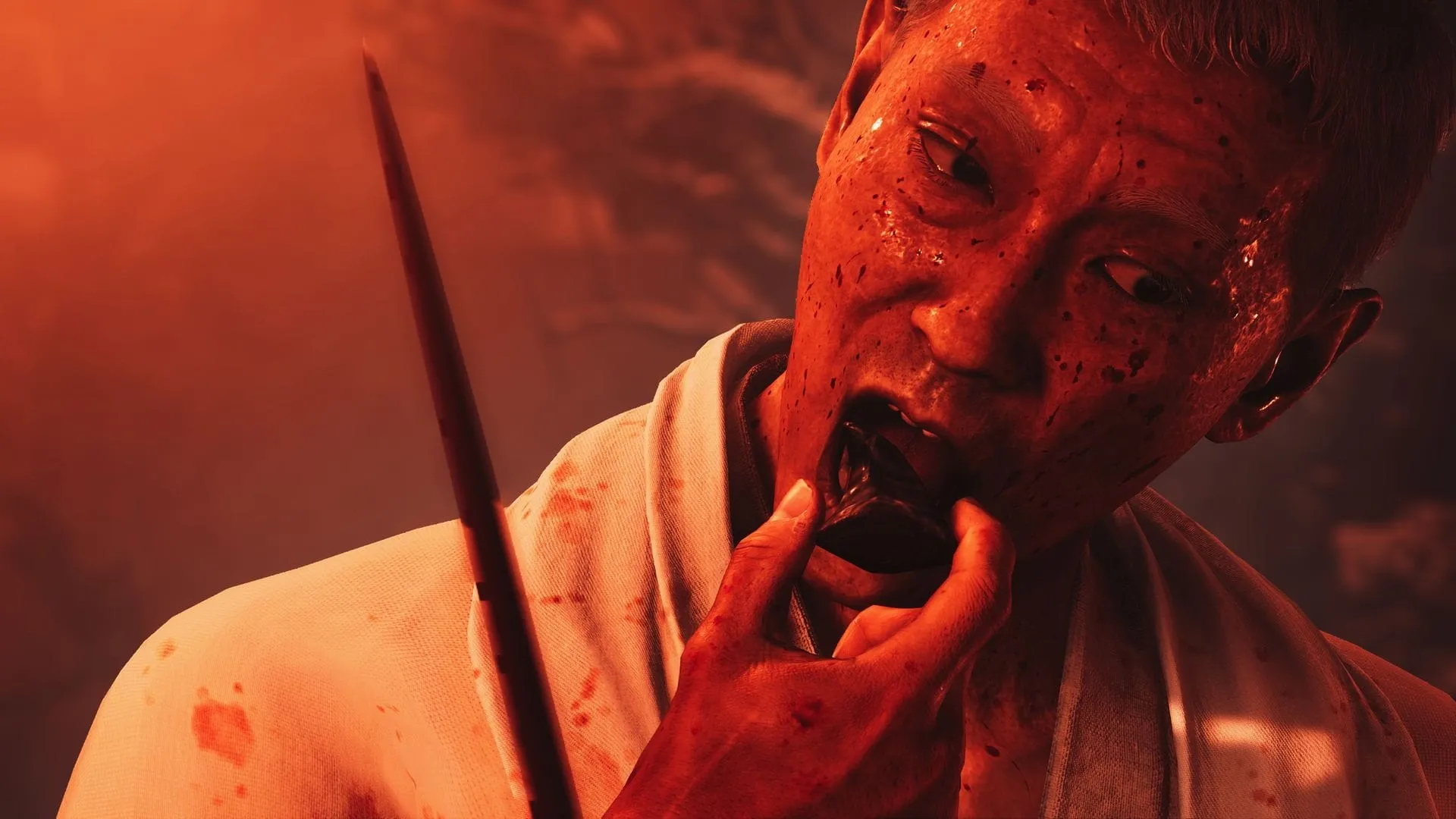
Some action games are designed, and then some are crafted. Onimusha: Way of the Sword is firmly in the latter category, earning universal acclaim not just for its epic samurai battles but for combat animations that flow with a natural, almost hypnotic fluidity. It’s a testament to what happens when artistic vision meets serious engineering.
The secret behind this seamless spectacle wasn’t just a matter of flashy graphics; it was a deep commitment to detail woven into the game’s very DNA. As director Satoru Nihei explained during development, the team started six years ago with a singular focus: to ensure that the power and excitement of the action were palpable. This philosophy pushed the development team to meticulously craft every movement, treating animation and physics not as afterthoughts, but as the foundation of the experience.
Achieving this level of smoothness required a massive collaborative effort. Beyond creating stunning motion capture and animations, the team had to leverage Capcom’s powerful assets and technology. The real magic happened when programmers took that raw data and built sophisticated, physics-based calculations that allowed movements to transition between states with incredible realism. It was a true team effort that ensured the sword swings and parries felt inherently right.
But the innovation didn’t stop at fluid swordplay. Onimusha introduced a groundbreaking mechanic: the dynamic dismemberment system. This technology, integrated into the RE Engine, allowed Musashi’s sword to cut enemies in the exact path it traveled. Unlike previous games where enemies might just freeze upon being cut, the system ensured that the targets remained fully animated, dropping pieces as they were cleaved. This added a visceral, immediate impact to dramatic finishers like the lightning-fast Issen strike.
This wasn’t just a visual gimmick; it was a deliberate design choice. While other action games, such as Metal Gear Rising: Revengeance, leaned into a more freeform, chaotic style of chopping, the Onimusha team consciously opted for a more reactive system. They intentionally avoided the ‘chop everything’ approach, focusing instead on controlled, powerful reactions that showcased the sheer, focused power of the samurai. They wanted the action to reflect the player’s timing, not just follow a predetermined template.
This dedication to functional, reactive design allowed the combat to feel genuinely unique. It demonstrated that cutting-edge technology, when guided by an artistic vision, can transcend typical action game tropes and create something truly memorable. It’s a reminder that the best games are built not just with code, but with a philosophy that demands perfection in every frame.
Credit
