Good Games Over History Hugo Martin on id Software
When massive corporate restructuring hits the gaming world, the immediate question isn’t about quarterly reports; it’s about the creative soul of the industry. For id Software, the shadow cast by the recent Xbox layoffs brought a critical inquiry into the future of legendary studios like Doom and Quake.
Did these cuts threaten the viability of id Software, or their specialized proprietary engine, idTech? While some speculated that the studio might be forced to abandon its core technology, others pointed to statements from TESO studio ZeniMax Online suggesting that id Software was merely reduced to a headcount comparable to what it had been a decade prior. This echo provided a dose of reassurance: the foundational structure remains intact.
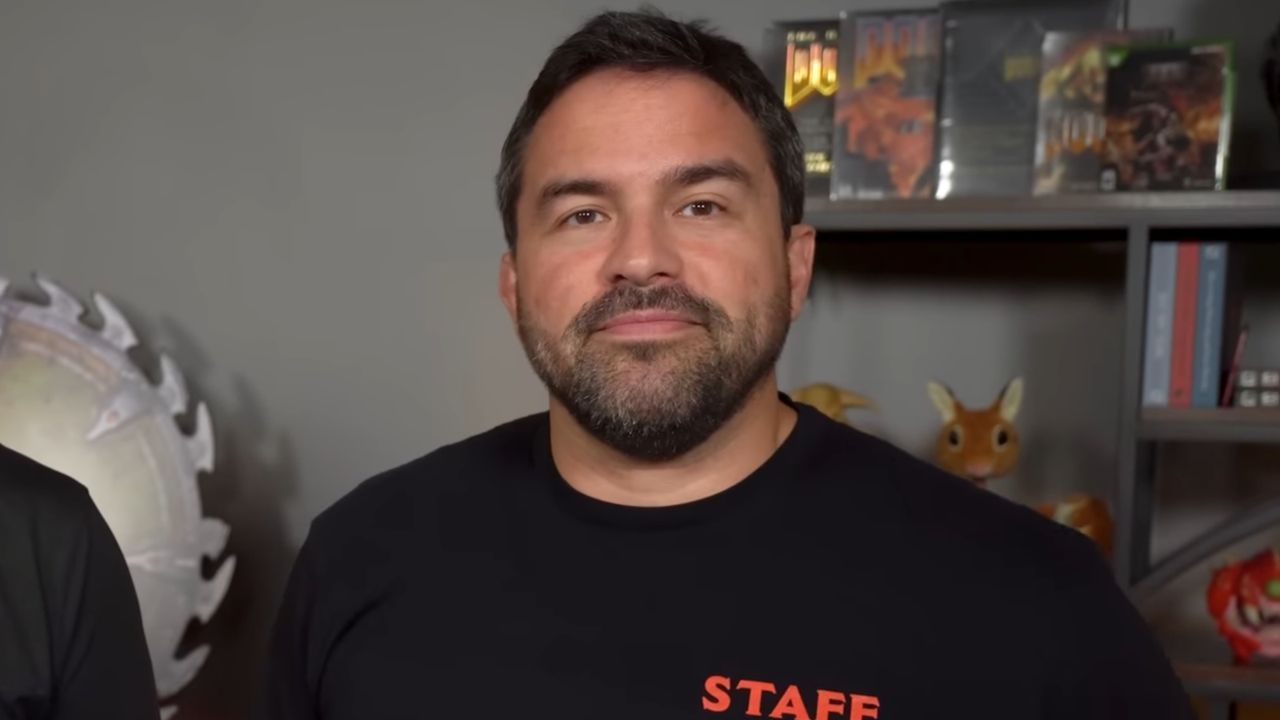
Studio director Hugo Martin weighed in to settle the noise. Speaking publicly, Martin firmly dismissed fears of being “nerfed into the ground” or having a drastically reduced staff. He affirmed that id Software is currently the same size as when they developed the landmark 2016 Doom reboot, emphasizing that the core infrastructure is alive and well.
Martin highlighted the continued vitality of their internal technical partnerships. He pointed out that the essential components—idTech engineers operating in locations like Frankfurt and MachineGames—are still collaborating closely with the main studio. This network ensures that the technology powering these iconic games continues to thrive, regardless of external corporate shifts.
The impact of these changes was tangible even at the operational level. id’s office in Frankfurt, a key hub for the team, reflected the wider industry shift, being cut in half from twelve employees to six.
Yet, behind the assurances about headcount and technology, there remains a deeper, more complex conversation regarding success itself. Martin offered another layer of reflection, arguing that while critically acclaimed games are wonderful, focusing solely on commercial outcomes can be short-sighted. He posed a thought-provoking challenge: does prioritizing the bottom line—the pursuit of profit above all else—ultimately harm the long-term health of the industry and, crucially, the people who make these masterpieces?
This reflection suggests that the true measure of success might involve nurturing the environment in which creativity flourishes. The narrative calls for acknowledging that technological advancement must be balanced by a consideration for the human element driving innovation.
Meanwhile, other major studios are also navigating this landscape. Bethesda recently provided an extensive update detailing future plans, confirming the pursuit of new worlds and collaborations like the one with Obsidian. They confirmed that Fallout 5 is currently in pre-production, signaling that the development engine continues to churn out ambitious new content.
The story of id Software, therefore, serves as a compelling reminder that even amidst corporate turbulence, the power of collaborative creativity and a commitment to quality remains the ultimate force shaping the future of gaming.
Credit