Google hits negative cash flow amid $45B AI data center buildout
The AI Infrastructure Race: How Google’s Spending is Rewriting the Rules of Cash Flow
As the world pivots relentlessly toward artificial intelligence, the cost of building the digital infrastructure powering it has reached unprecedented levels. Alphabet, Google’s parent company, recently provided a candid look at this colossal spending spree, revealing a challenging financial reality: their free cash flow dipped into negative territory for the second quarter of 2026.
This quarterly deficit wasn’t an anomaly; it was a direct reflection of a massive, aggressive investment in the future. Capital expenditures soared to a record $44.9 billion, significantly outpacing the $39.1 billion in operational income—a stark signal that the race to build the next generation of AI data centers is consuming immense resources.
But this story is far more complex than a simple cash deficit. While the short-term snapshot shows cash flow tightening, the long-term view reveals strategic maneuvers and an increasingly sophisticated approach to hardware sales. The company is not just spending money; it is transforming how it generates and recognizes value in the rapidly evolving AI chip market.
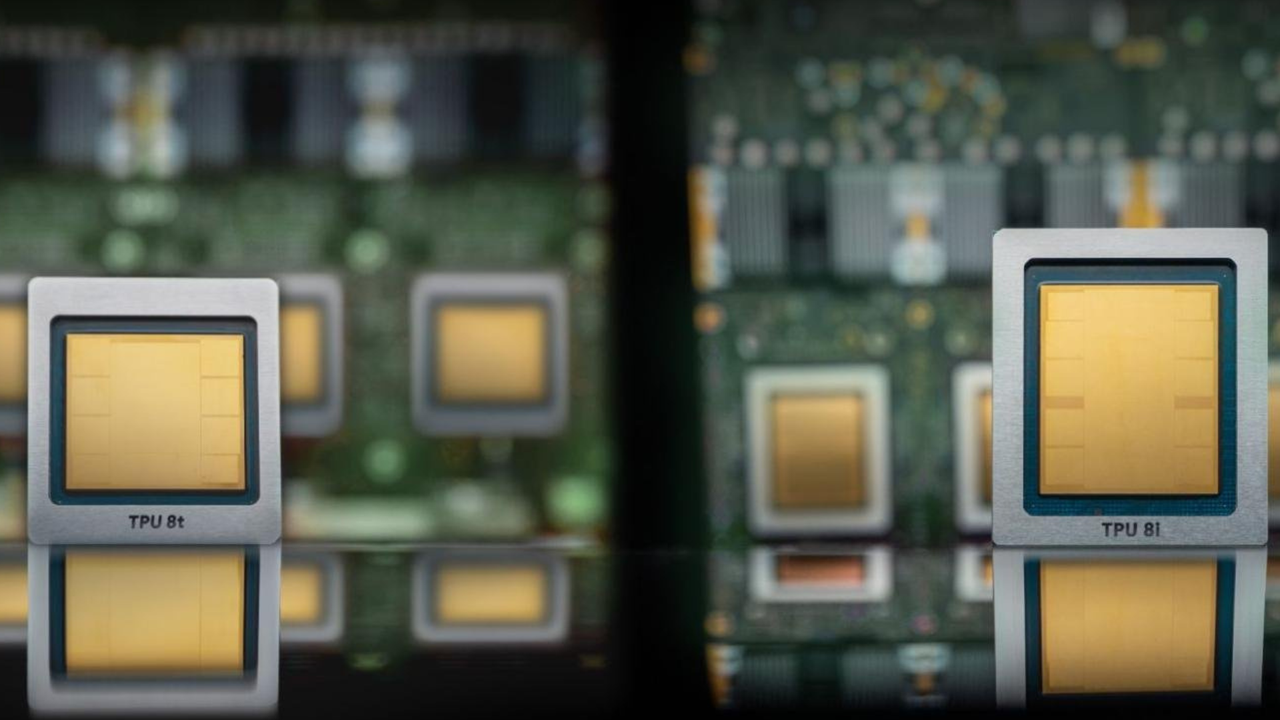
At the heart of this transformation lies the Tensor Processing Units (TPUs). Google is moving beyond simply renting compute power from its own cloud services. For the first time, the company delivered TPU systems directly to customer data centers, marking a significant shift in the relationship between hardware manufacturing and service delivery.
This strategic move illustrates that Alphabet’s expenditure is less about construction and more about silicon. Approximately 60% of this infrastructure investment went into servers, with much of it dedicated to compute systems like their proprietary TPU-based architecture. This inversion challenges traditional assumptions about hyperscaler spending, suggesting that the marginal dollar now buys specialized compute power rather than just physical buildings.
The pipeline for this expansion is massive. Google is laying out a sprawling $40 billion, three-campus construction program across Texas through 2027, alongside expansions in locations like Alabama. This immense buildout keeps energy costs and depreciation high, ensuring that infrastructure spending will continue to exert pressure on the company’s profit and loss.
Interestingly, the flow of cash is being managed differently now. The money spent on data centers doesn’t immediately return as cash; instead, it is written down over the years of use. Furthermore, Google began recognizing revenue from TPU sales in the quarter. This means a substantial portion of the spending represents inventory—hardware that will be sold to customers next year—which helps balance the immediate free cash flow figures.
The demand for this specialized hardware is intense, driving major partnerships. Deals with companies like Anthropic are fueling capacity expansions, while talks with giants like Meta point toward multi-billion dollar deployments of Google’s chips in their own data centers. This highlights how crucial the TPU ecosystem is becoming, positioning it as a core utility for the entire AI industry.
Ultimately, the focus shifts from simply achieving positive free cash flow to managing operating cash flow growth amid relentless expansion. While Alphabet continues to invest heavily, the real measure of success will be whether operational performance can outpace this extraordinary spending rate. The story is no longer just about building data centers; it’s about mastering the logistics and economics of an AI-driven world.
Buy on Amazon
Credit