Google’s 3D Kangaroo Emojis: The Playful Illustration Behind the Design
Imagine an alien species scanning our digital history thousands of years from now. What they would quickly discover is not just the history of the internet, but the wild, expressive journey of human communication—specifically, the Google is currently pushing this exploration further into the modern age by working on advanced 3D models for emojis. While the Noto 3D collection was released earlier this year, Google has spent considerable time delving into the design history and philosophy behind these digital faces.
“We don’t just ‘laugh’ anymore,” the company reflects. “Modern internet culture has steadily moved from mild expressions to drama, hyperbole, and overwhelm. Emotions online have intensified.”
This shift is reflected in the very symbols we use daily. For years, the laughing face (😂) was the undisputed king of emoji charts. However, following a multi-year decline, it slipped down the rankings by 2025.
“Why the change?” the team wonders. “Because symbols like 😭 are masterclasses in modern vocabulary. They manage to be hilarious, devastating, and capture that overwhelming feeling of being completely submerged.”
The challenge for designers is more complex than simply rendering a face. As the company notes, since the brain processes emojis faster than text, adding a design requires significant nuance. Touching something that billions use trillions of times a day demands more than just cold, industrial CAD precision.
“They need a pulse and a soul,” Google argues. “We don’t need anatomical perfection. With the power of illustration, we can capture the true, playful vibe of a kangaroo, for instance. We don’t need perfect anatomy; we need recognition.”
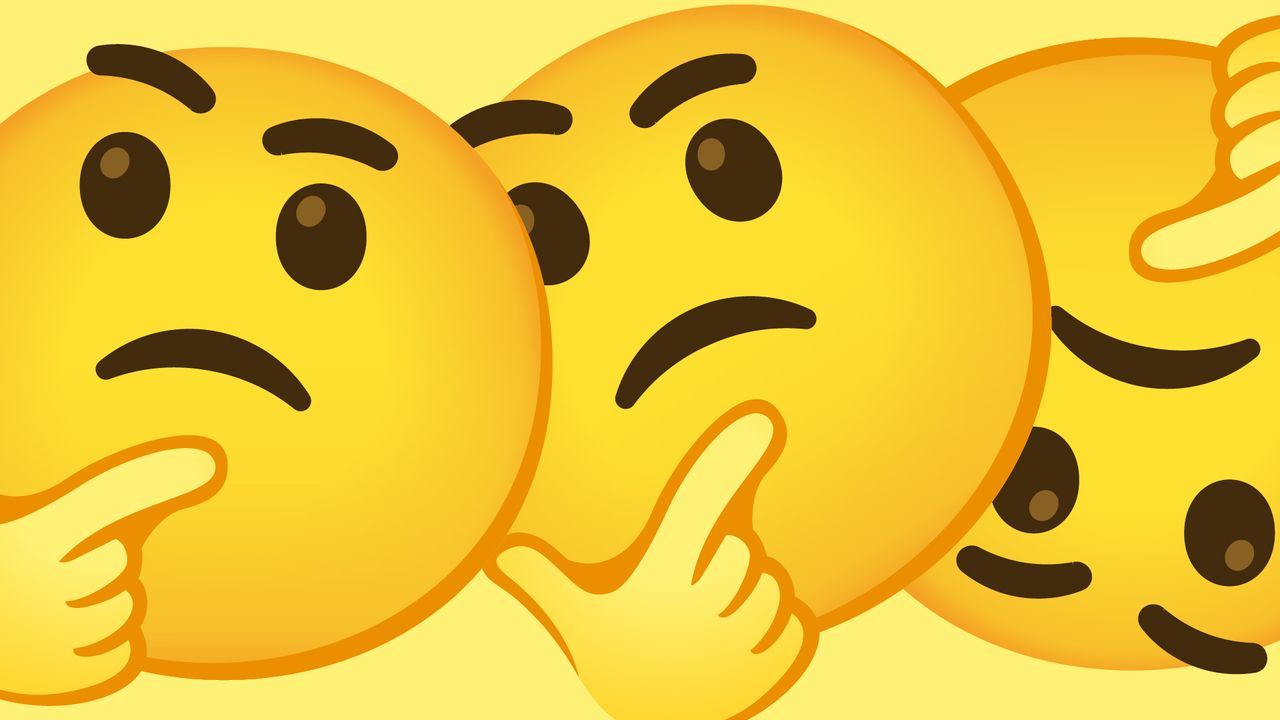
To ensure their new iconography truly resonated with users, Google ran large-scale studies on its 3D models. The results showed that people generally preferred full-body animals over floating heads. Furthermore, even small visual tweaks could dramatically alter the emotional impact—some changes turned mild confusion into accidental outrage.
The design team also faced fascinating questions about dimensionality: Should a smiley face be a disc or a sphere? Should it be concave or a bouncy ball? These are the kinds of deep conceptual puzzles that keep designers up at night.
Despite the intensive process, Google is not aiming to lock down a single perfect design. Instead, they are handing over the raw .OBJ files to the community. The goal is for users to take these digital assets and Google concludes. The future of emoji design may not be about rigid perfection, but about endless, creative iteration. It’s time for the internet to take the reins.
Buy on Amazon
Credit
