Guerilla ads turn Kylie Jenner into a They Live horror for Meta AI glasses
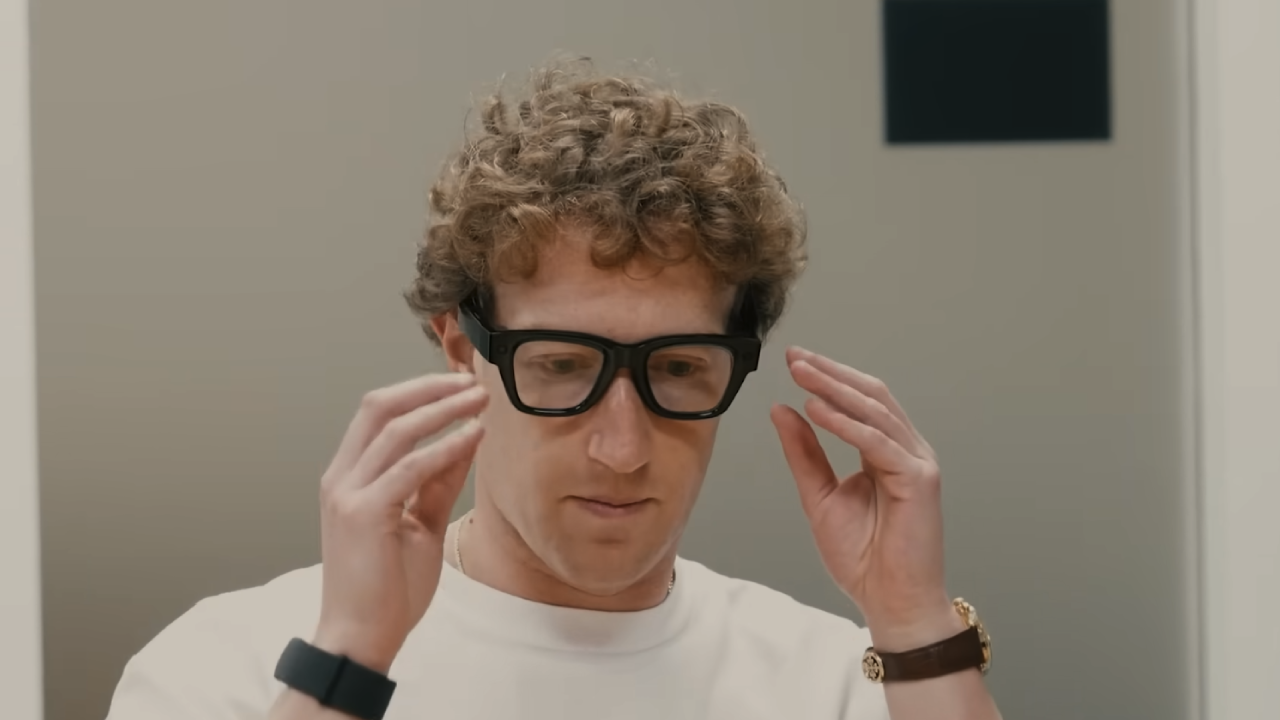
Some campaigns are designed to make noise; others are designed to provoke a reaction. The activism group Everyone Hates Elon (EHE) is firmly in the latter camp, deploying guerilla marketing stunts to tackle the growing ethical quagmire surrounding wearable technology and pervasive surveillance.
Their latest campaign targets Meta’s new smart glasses, using bus stop advertisements that lampoon the product’s perceived ability for covert monitoring. The stunt itself was a masterclass in ironic commentary, leveraging pop culture to deliver a sharp critique of the tech industry.
One striking element involved co-opting an image from Kylie Jenner’s collaboration with Meta AI, transforming it into a lenticular design reminiscent of the classic film They Live. This visual nod cleverly added the slogan “Meta: We’re always Watching”, framing the new technology not as an advance, but as another layer of invasive observation.
These stunts weren’t confined to the UK. The group executed similar provocations across the Atlantic, demonstrating a unified message that surveillance concerns are front and center in the debate over advanced AI hardware. The visual reference connects directly to a classic 1988 film where a drifter discovers that advertising and the world itself are meticulously constructed illusions.
The activism stems from deeper technological anxieties surrounding Meta’s pursuit of ‘super sensing’ AI glasses. These prototypes are reportedly capable of recording the wearer’s every waking moment through video and audio, raising serious questions about personal privacy in public spaces.
While some proposed systems suggest that the recorded footage would be filtered and metadata fed into Meta’s AI to sidestep specific privacy concerns, critics remain uneasy. The central concern is allowing an advanced AI model access to such intensely personal data.
The skepticism is amplified by ongoing security discussions. Reports indicate that footage captured by the AI smart glasses is reviewed by human contractors who see far more than they bargained for, leading to legal challenges against the company. This highlights a fundamental tension between corporate interests and user privacy.
Furthermore, security researchers have found ways to bypass even the most advanced AI safety guardrails. Techniques utilizing adversarial poetry have successfully tricked AI agents into revealing sensitive user data, demonstrating that the systems governing these powerful tools are not entirely foolproof.
This confluence of public activism and technical scrutiny underscores a critical point: as technology evolves, the fight for privacy moves beyond simple policy. It demands an open, skeptical approach to how we allow artificial intelligence to shape our reality and monitor our lives.
Buy on Amazon
Credit