Halo objective inspired by MW2 nuke action
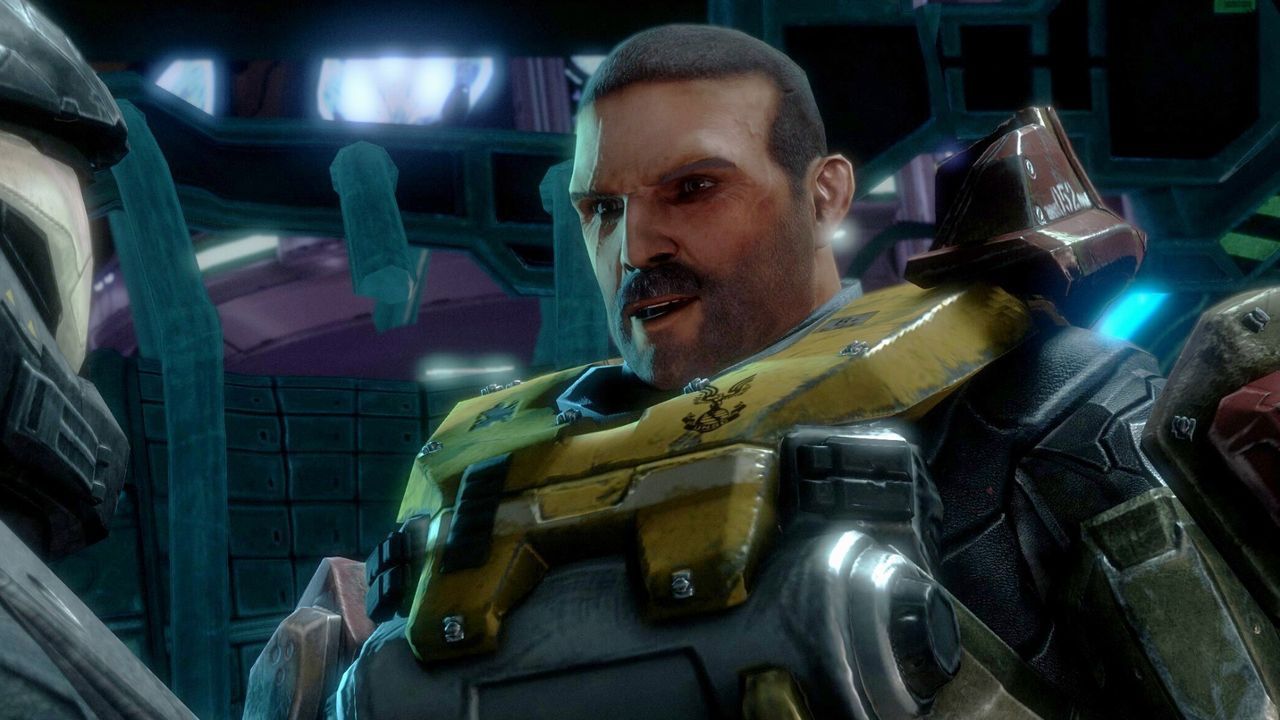
There’s a certain kind of nostalgia that hits differently when you look back at the golden age of first-person shooters. For many of us, the early 2000s and early 2010s were a time when games like Modern Warfare 2, F.E.A.R., Halo: Reach, and Black Ops 2 were bleeding into the mainstream. Back then, when we were just playing, it felt like we were witnessing a pure era of excellence.
Looking back now, it’s clear that this era wasn’t just about fun; it was a crucible where excellence bred excellence. There was an undeniable wellspring of inspiration, pushing developers to reach new heights in atmosphere, narrative, and character interaction.
This synergy is best illustrated by those who built the next generation of titles. Niles Sankey, the designer behind Halo: Reach, himself acknowledged that the massive successes of the Modern Warfare series were huge influences on his team’s campaign.
Sankey noted that the tonal execution of those MW games was simply brilliant, setting a high bar for cinematic, impactful storytelling in the FPS genre. While Halo certainly had strengths in areas like AI combat and vehicle mechanics, the MW titles were often outpacing them in the crucial departments of emotional storytelling.
The real difference lay in how these games handled character relationships and, critically, the ability to tell a gritty, sometimes depressing story. These elements allowed the narratives to resonate far beyond the mechanics of gunplay.
Sankey pointed out that many of the most haunting moments in Reach were spiritually inspired by the brilliant work of teams like Infinity Ward. Specific sequences, such as the squad interactions and the high-stakes intensity of the Nuke sequence in Modern Warfare 2, provided a template for how narrative tension should be delivered.
This focus on narrative consequence deeply affected the experience of playing Reach. The final Lone Wolf mission and the objectives related to survival left an indelible mark, forcing players to confront the stark reality of character loss. It’s a stark reminder that the weight of a decision—and the fate of a character—can be far more impactful than any firefight.
Buy on Amazon
Credit