Hashcat on Gameboy Advance cracking passwords 30 million times slower
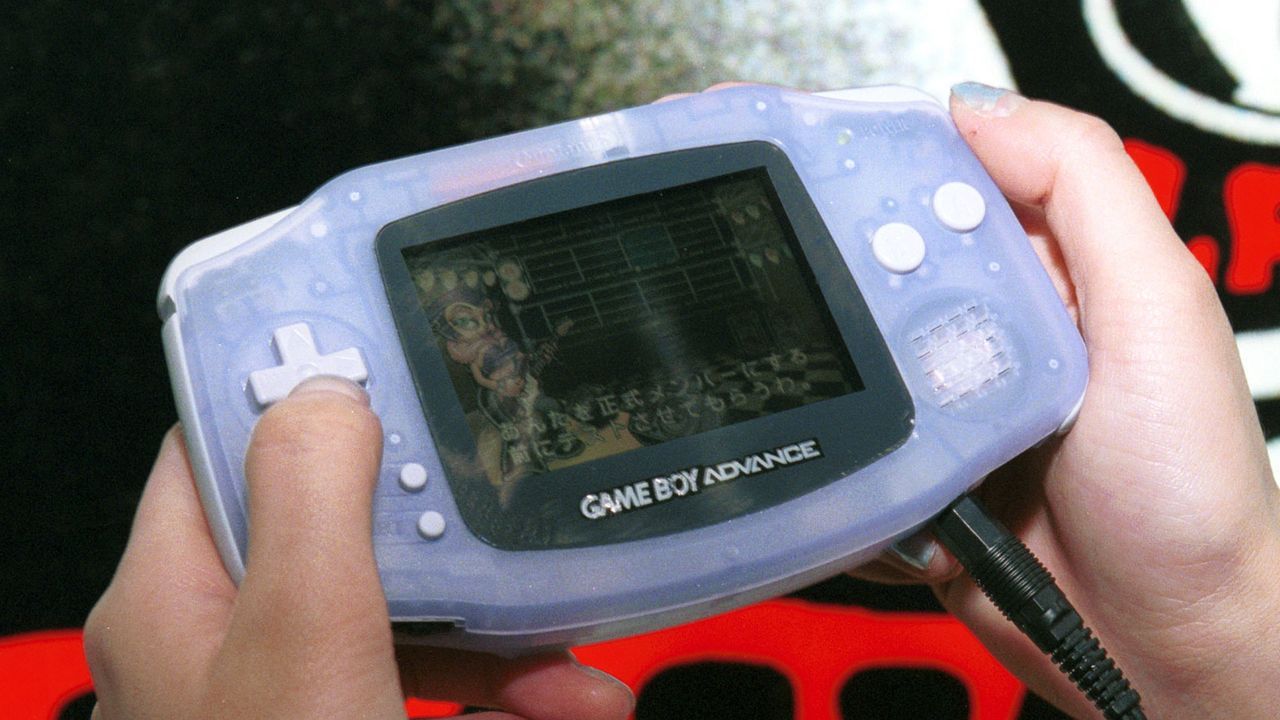
In an era dominated by gigahertz and massive GPU clusters, where password cracking is a high-powered pursuit leveraging cutting-edge hardware and complex hashing algorithms, one might assume that only the most powerful machines can tackle the computational challenge of brute-forcing secrets. Yet, innovation often finds a way around perceived limitations, and in this quest for digital ingenuity, a truly remarkable achievement has emerged: porting advanced cracking utilities to the venerable Game Boy Advance.
Security engineer solstICE, known by his moniker Ice, demonstrated that even the most constrained hardware can be harnessed for surprisingly potent tasks. He undertook the audacious project of bringing the popular hashcat utility to the limited processing capabilities of the GBA, resulting in the creation of gba-hashcat software. This endeavor was not just a technical exercise; it was a demonstration of creative problem-solving, proving that ingenuity knows no age limit.
The limitations of the platform were immense. The Game Boy Advance, with its 16.78 MHz ARM7TDMI chip, is a stark contrast to modern cracking rigs. It operates with minimal resources, featuring only 288 KB of RAM and 98 KB of VRAM. To manage this constraint, Ice had to engineer the software to work within these tight boundaries, relying on creative optimizations.
Despite its humble origins, the resulting application packs an astonishing punch. The GBA can perform SHA256 hash cracking at a rate of 727 hashes per second. While this speed pales in comparison to modern hardware—being about thirty million times slower than current GPU-accelerated rigs—it is still an incredible feat of engineering, turning ancient silicon into a functional cracking tool.
The ingenuity behind gba-hashcat lies in its clever use of existing tools and libraries. Ice utilized the Butano engine, a library designed to facilitate C++ game development, demonstrating how existing code bases can be adapted for novel applications. To manage the limited storage space available on GBA cartridges, he integrated essential components, such as a one-million-word list optimized for efficiency, showcasing mastery over resource management.
The software interface itself is minimalist, focusing purely on necessary statistics and progress updates—a stark reminder that true power often resides not in complexity, but in elegant simplicity. It is this philosophy that led Ice to jokingly label the project his dumbest app of all time, underscoring the fact that sometimes the most powerful solutions come from the simplest starting points.
Despite its quaint hardware foundation, the project sparked a spirited discussion among the community. Users quickly advocated for networking support, envisioning clusters of Gameboys working in tandem to achieve greater computational power. While the physical limitations remain, the philosophical implication is clear: the true boundaries of potential are often defined not by what hardware can do, but by what minds can imagine.
Ultimately, whether cracking payroll sheets or pushing the limits of obsolete processors, the story of gba-hashcat is a testament to the power of persistence and creative coding. It proves that with enough vision, even the most dated technology can be repurposed, opening up new avenues for what is possible in the world of software and security.
Buy on Amazon
Credit
