How a Skyrim username led to 18 months in prison
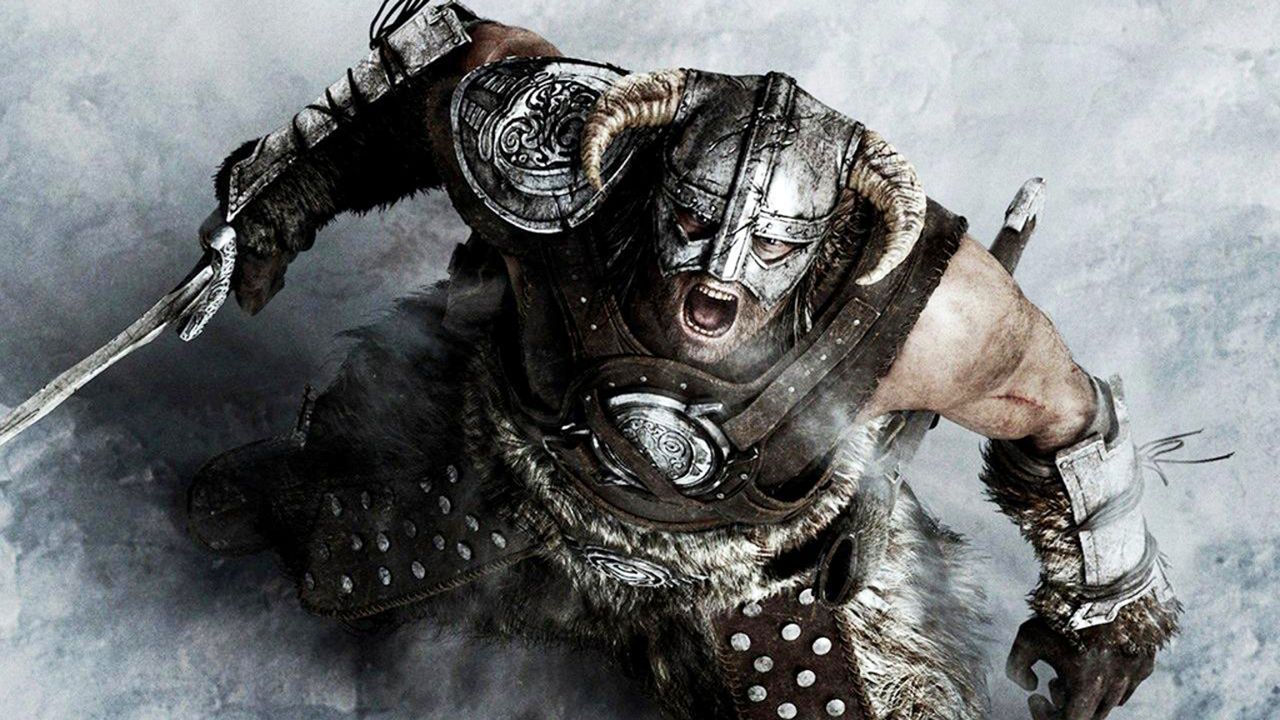
The Digital Slip-Up That Cost a Man His Freedom
A simple typo in an online username led to eighteen months of wrongful incarceration for a Canadian man, setting off a legal chain that ultimately resulted in his formal declaration of innocence. The case highlights how easily administrative errors can twist the course of justice and condemn the innocent.
Brandon Klayme was arrested in February 2020 following an investigation into exchanges of sexual messages, photos, and videos involving a 12-year-old on the Kik instant messaging platform. The incident stemmed from communication using the username “fusrodah.”
The root of the confusion lay in a subtle error between law enforcement and the perpetrator. While the individual involved in the exchanges used a double underscore in their handle, police mistakenly focused their investigation on a variant with only a single underscore. This administrative mix-up led investigators to target Mr. Klayme, resulting in his conviction and subsequent eighteen months of imprisonment.
Despite Klayme’s denial of any involvement, the court found him guilty in April 2023. The legal proceedings were heavily based on circumstantial evidence, including IP addresses and other online account information, rather than direct proof of the exchanges themselves.
The turning point arrived during the appeals process. As Klayme’s lawyers prepared arguments for appeal, they discovered a critical discrepancy within the subpoena that initiated the case. The request was for details concerning the username “fusrodah,” omitting the crucial second underscore.
This discovery exposed the fundamental flaw: the police had not been searching for the correct identity. If the investigation had utilized the correct username, prosecutors would not have been able to prove that Mr. Klayme was “fusrodah” with two underscores, and the subsequent investigative steps would never have led to his arrest.
The appellate court ultimately addressed this error directly. The ruling noted that there was no technicality or simple doubt involved; rather, Mr. Klayme was factually innocent of the offenses. The court acknowledged that if authorities had pursued the correct username, the investigation likely would have led to a different individual, someone who remains free.
This situation serves as a stark reminder that in the digital age, even the smallest typographical error can have monumental, life-altering consequences, underscoring the need for rigorous accuracy at every step of legal and law enforcement proceedings.
Buy on Amazon
Credit
