How hated coil whine can sound musical and make you happy
When Your PC Sings: How an Engineering Student Turned Electronic Noise into a Chip Tune
For many computer enthusiasts, the pursuit of high performance often comes with an unwelcome soundtrack: coil whine. This subtle, high-pitched electronic noise is usually an unwanted side effect of running powerful components at full throttle. Yet, in a recent experiment, an engineering student has flipped this annoying technical quirk on its head, transforming hardware noise into a surprisingly catchy melody.
Coil whine occurs when inductors and capacitors within electronic components vibrate in response to rapidly changing electrical loads. While it is generally a minor annoyance, for those sensitive to sound, the phenomenon can be maddening. It typically manifests as a high-pitched sound, particularly when components are under heavy strain, such as during high frame rate gaming or intense data transfers on NVMe SSDs.
The quest to silence these machines often leads engineers down complex paths, but some innovators prefer to harness the noise. Battery Potato, an electrical engineering student at Nagaoka University of Technology, decided to turn this auditory phenomenon into an artistic opportunity rather than viewing it as a simple electronics bug. Instead of trying to eliminate the sound, the goal was to make it noticeable and musical.
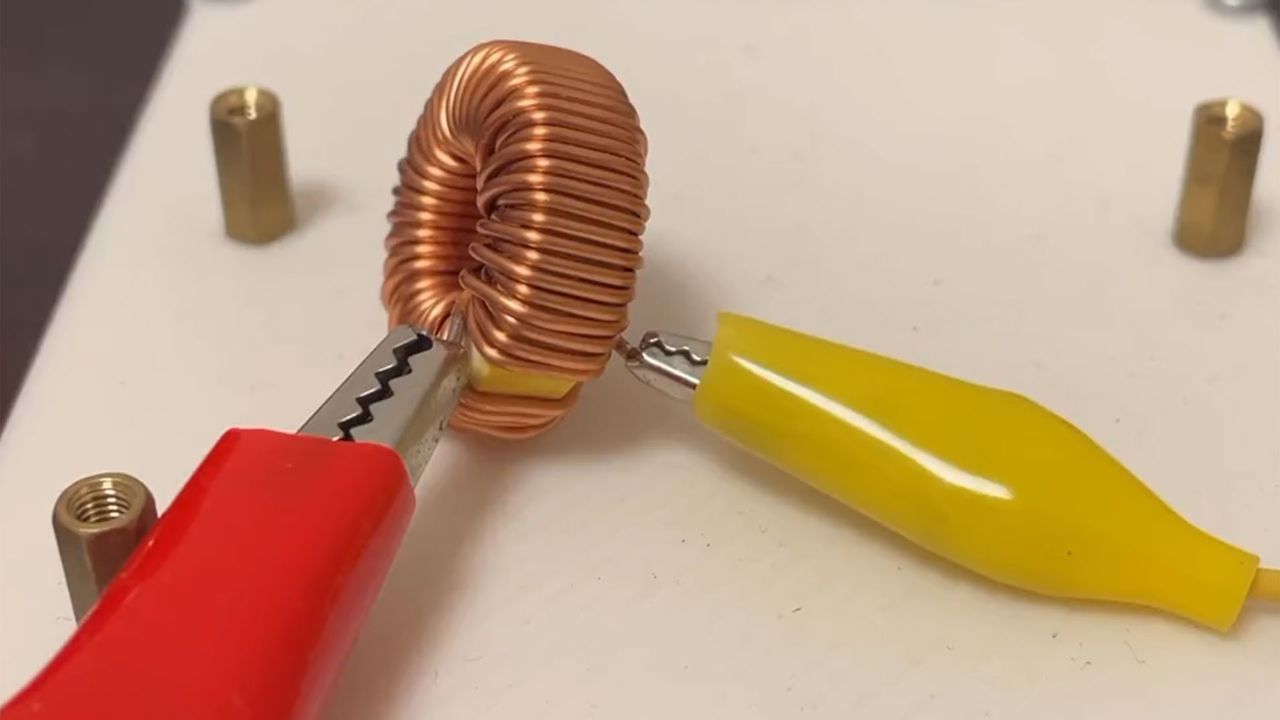
To achieve this, Battery Potato constructed a simple homebrew toroidal inductor. By running current through this custom-built component, they managed to generate clearer, more distinct sounds than using standard off-the-shelf parts. The process involved feeding a modulated current waveform directly into the coils, essentially teaching the inductor to ‘sing’ as intended.
This innovative approach highlights how physical phenomena—even those confined to the realm of electrical vibration—can be repurposed for creative expression. It shifts the perspective from viewing coil whine solely as a fault in the system to seeing it as an unexpected acoustic feature waiting to be explored.
The idea of musicalizing electronic noise is not entirely new. Last October, developers behind the popular stress testing application OCCT version 15 introduced a feature that detected coil whine and could output three pre-defined tunes. This development provided users with a way to clearly identify the presence of the noise, proving that sonic patterns hidden within hardware operate just beneath the surface.
Battery Potato’s project demonstrates a fascinating marriage of practical engineering and creative playfulness. It reminds us that sometimes the most interesting discoveries are found not in eliminating imperfections, but in learning how to dance with them.
Buy on Amazon
Credit