I drank from the chalice of blood AI voice lines
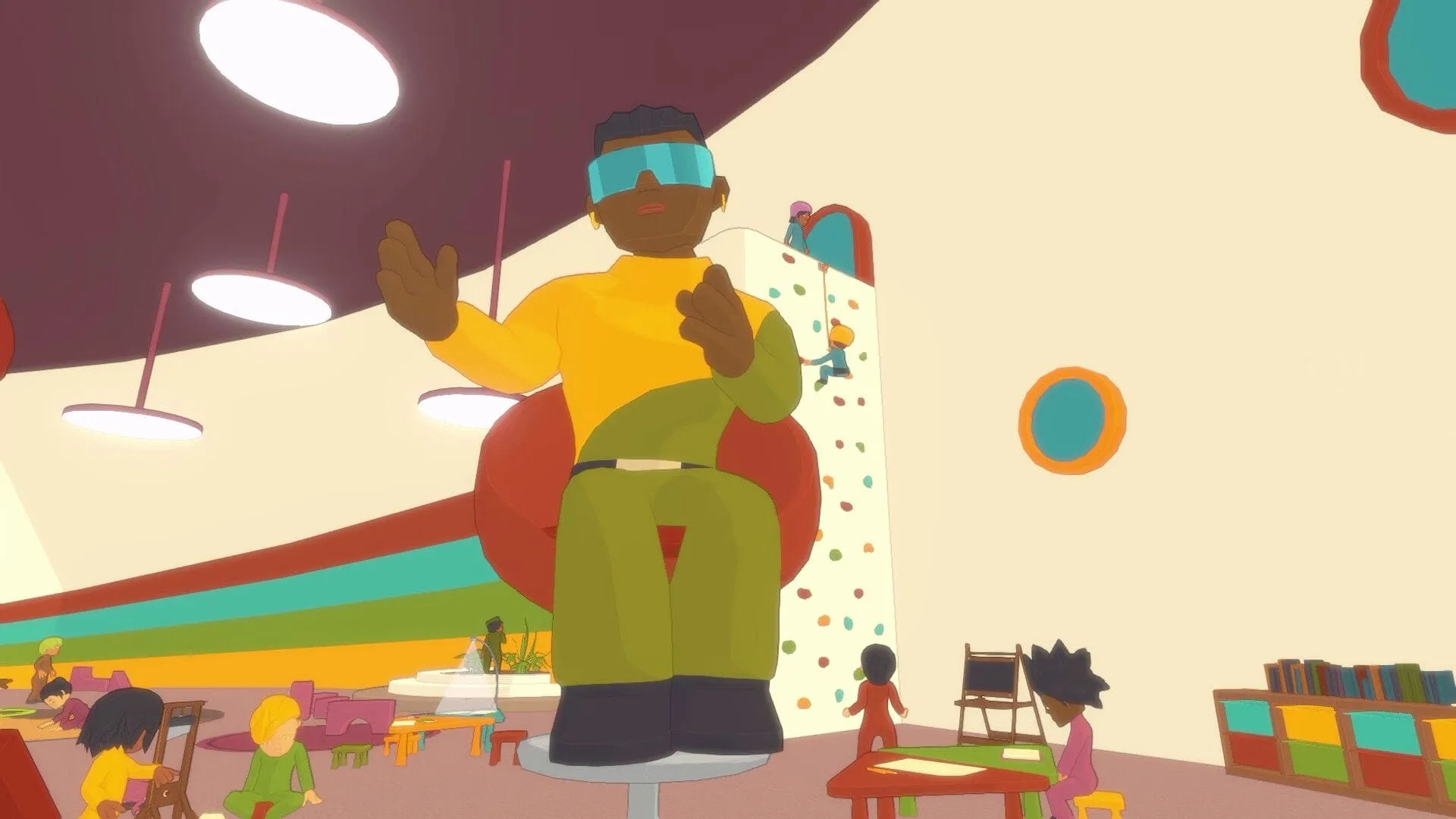
In the rapidly evolving landscape of video game development, the line between artistic satire and technological appropriation has become increasingly blurred. This tension was brought sharply into focus by Paolo Pedercini, the creator of the game Future? No Thanks!, who recently navigated a significant public backlash over his use of generative artificial intelligence.
Pedercini, who also operates under the name Mollieindustria, openly embraced the use of AI in his satirical work, but his specific approach sparked controversy. He had referenced the technology in his project, even characterizing it as “a technofascist, anti-human and anti-art project.” However, the subsequent reaction to his integration of AI tools—particularly voice lines—shifted the focus from satire to ethics.
The issue centered on the voice lines within the game, which were generated using text-to-speech (TTS) technology. Pedercini had previously defended this use, noting that the technology had a long history and that he was exploring these tools as part of his academic interest in game design and learning.
While he argued that his game satirized generative AI, Pedercini faced scrutiny regarding the broader implications. He acknowledged that his initial disclosure did not land well, noting that he received more insults than he anticipated from the community. He admitted that the discourse surrounding generative AI in gaming was intense, referencing earlier waves of online debate and the accusation that the entire industry was secretly utilizing these tools.
In response to the widespread disappointment, Pedercini made a significant adjustment. He removed the controversial AI-generated voice lines entirely, replacing them with lines recorded by human actors. He explained that he found the original TTS voices, in context, were actually funnier, demonstrating a willingness to pivot based on public feedback.
Despite this change, the conversation lingered on the use of AI for other functions. Pedercini admitted to using a “tiny fraction” of AI-generated code for minor tasks, such as fixing shaders and performing debugging. This distinction raised further questions about where the ethical boundaries should lie when blending machine assistance with creative vision.
Ultimately, Pedercini’s experience highlights a broader challenge for developers: how to harness powerful new technologies without alienating the audience they are trying to engage. His decision to remove the AI voice lines and his subsequent commitment to future projects being “completely hand-coded” signals a clear effort to prioritize human authorship over machine efficiency in his creative endeavors.
Buy on Amazon
Credit