I stopped being a PC snob: Why I switched to pre-builts
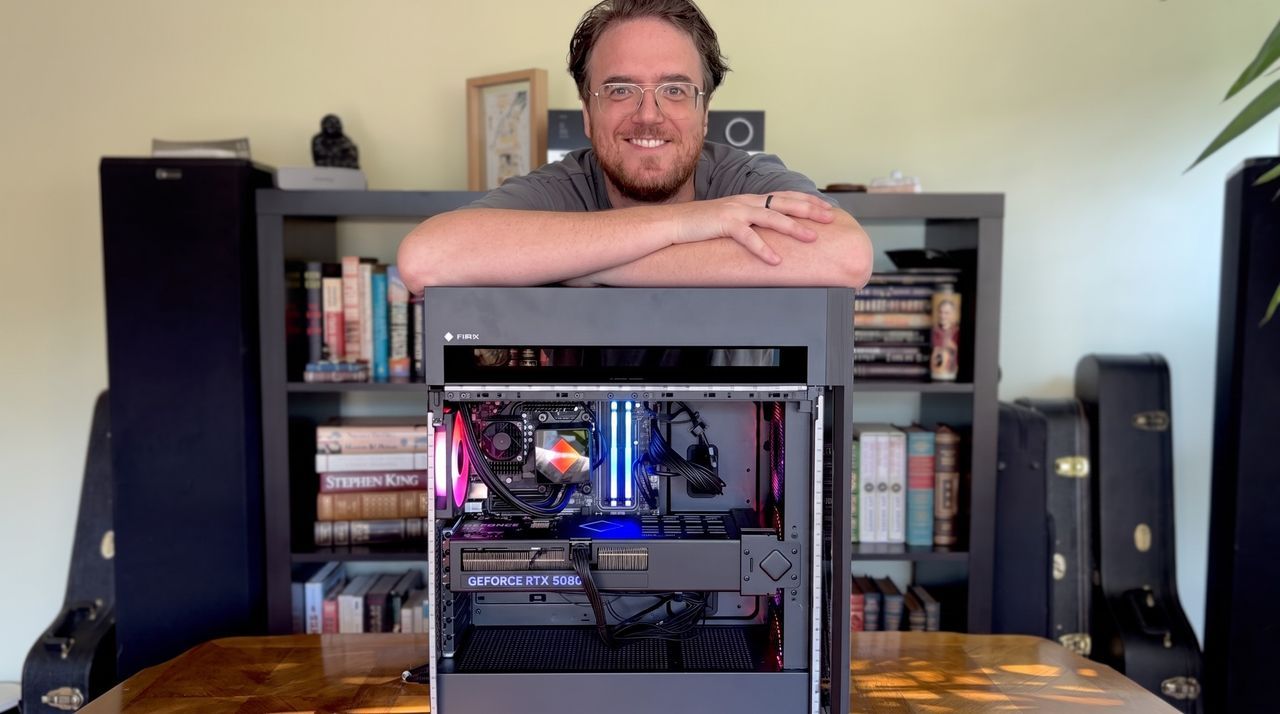
For years, the idea of a pre-built PC felt like an outdated concept in the gaming world. I used to hold a pretty strong opinion that building a system from scratch was the superior path. But the narrative around pre-built gaming systems is undergoing a dramatic shift, and frankly, the evidence is starting to tell a much more interesting story.
The old skepticism was rooted in legitimate concerns: would it have proper airflow? Would it be bloated with unnecessary software? Would it use proprietary parts that locked down future upgrades? Many felt that pre-built systems charged a premium for compromises that self-builders could easily avoid. For a long time, the reputation of these machines was decidedly mediocre.
However, as I’ve spent the last several months testing a wave of new options and diving into the market, those old doubts are fading fast. Some of these systems are genuinely impressive—not just adequate for a pre-built, but genuinely competitive with what I could achieve myself.
The proof is starting to show itself in real-world performance and build quality. Take Acer’s Nitro 65, which sparked my interest the most. It surprised me with its clean build, solid components, and a competitive price point compared to assembling a similar system myself. While there are always minor quirks, it’s an above-average option that easily earns a spot in consideration.
The boutique market is also delivering some remarkable results. Systems like Maingear’s MG-1 MK.II have proven that passion and craftsmanship can overcome the perceived barrier of cost. These custom builds showcase incredible attention to detail in cable management and aesthetic design, often surpassing the experience many associate with mass-market products.
Even more compelling is how value is being redefined across the board. Affordable options like the iBuyPower Slate 8 Mesh continue to balance powerful performance and price effectively, regularly sitting well under the $1,500 mark. This trend accelerates when looking at new launches, such as the Steam Machine, where pre-builts are proving they can offer superior performance relative to the cost.
This evolution highlights a critical distinction: not every pre-built is a winner. We still have examples, like the ASUS TUF Gaming T500, that demonstrate how poorly executed hybrid designs—stuffing mobile CPUs into desktop chassis—can ultimately fail. The execution matters immensely. A truly impressive system must offer genuine upgradeability and performance consistency.
So, what should a gamer do when shopping for a new machine? Don’t trust the label alone. Instead, develop a sharper eye. Dive into specific reviews, meticulously check the internal components like the power supply, confirm genuine upgrade paths, scrutinize bloatware levels, and evaluate how much performance you are truly getting for your investment. The window for discovering outstanding pre-built deals is wide open—just be sure to read the fine print.
Credit