Indie sequel 17 years later: The world is ending
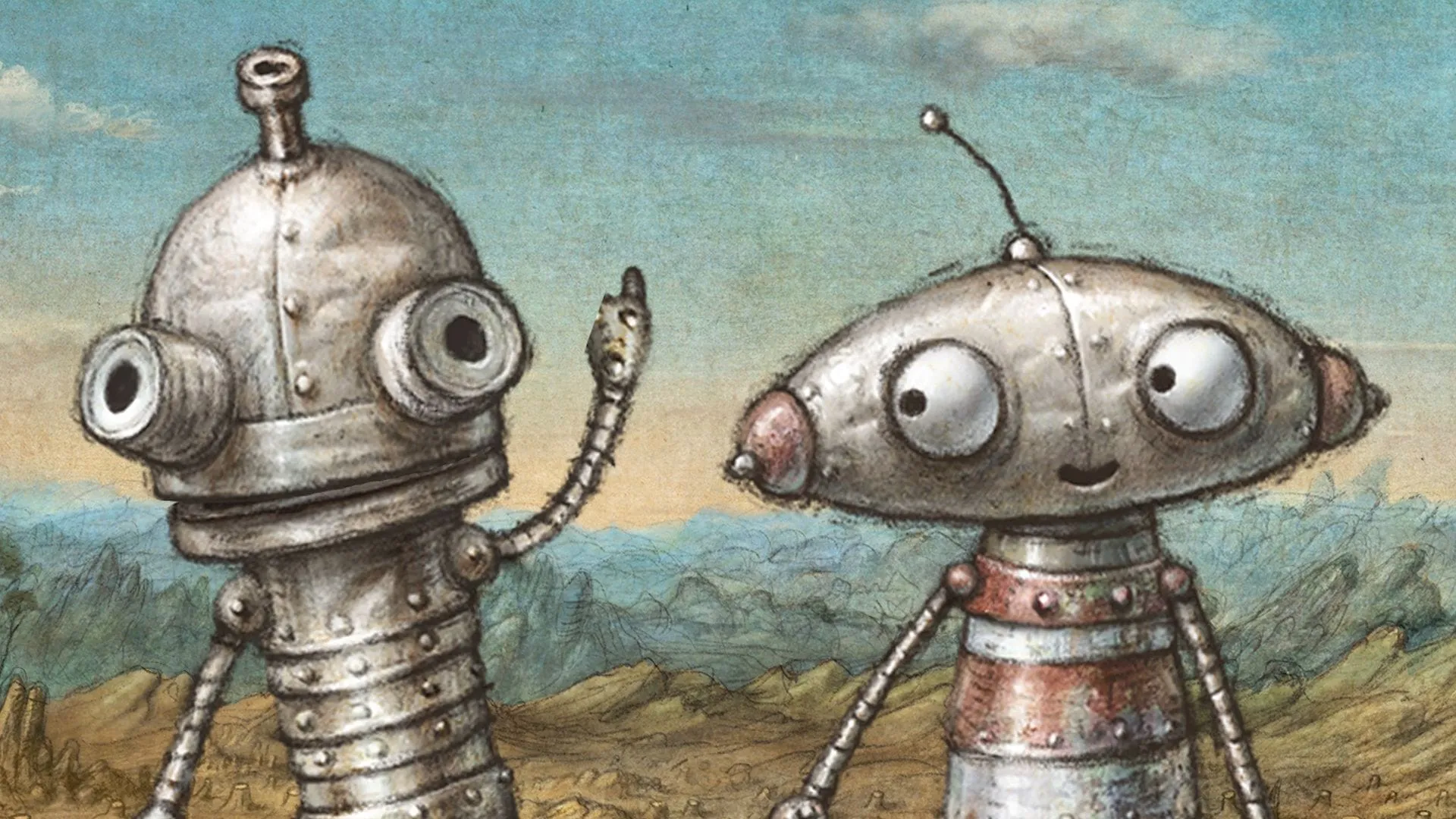
Seventeen years ago, a wordless tale of love and melancholy robot exploration named Machinarium arrived, leaving a lasting impression on gamers worldwide. While the original stands as a masterpiece, the question always lingered: what happens next? Now, after a decade of anticipation, the studio behind the original, Amanita Design, is finally breathing life back into the world with Machinarium 2.
The decision to return to the familiar, charming style of the first game was not made by a cold calculation, but by a feeling. CEO and designer Jakub Dvorský explained that the timing felt right, born more from instinct than logic. He shared that when faced with big decisions, he tends to rely on a sense of intuition, feeling that the world of robots was knocking, prompting him to pursue this path.
The sequel picks up the narrative immediately following the original adventure. Josef and Berta, having escaped the crumbling city, find themselves crash-landing in a hidden valley populated by two distinct robot tribes: one residing in the Elektrona monastery and the other in the city of Oilton. Both groups are facing a grim future as their power slowly depletes, forcing the protagonists to work together to solve the puzzles and survive.
In Machinarium 2, the core point-and-click puzzling remains, but the gameplay is enhanced by a new dynamic. Both Josef and Berta are now playable characters, allowing players to switch between them at will, emphasizing the necessity of their cooperation to navigate the challenges ahead.
The visual aesthetic of the original is beautifully restored, offering a distinctive and sharp look that honors the game’s unique artistic vision. Crucially, the distinctive musical landscape is also returning, spearheaded by composer Tomáš Dvořák, known as Floex, who was instrumental in making the original soundtrack so unforgettable.
Dvořák, who has collaborated with the studio on many of their titles, is back to craft the score for the sequel. While balancing creative freedom with the need to differentiate his work, he aimed for a more melodic and musical sound. He sought to achieve this through simplicity, realizing that unique organic details often come from layering sounds together.
The experience is designed to be a celebration of that unique blend of visuals and sound. The music in the trailer hints at a familiar vibe, yet Dvořák has clearly set specific goals to push the sonic boundaries, bringing a sense of maturity to the score that reflects his own journey.
For fans of Amanita Design, the sequel feels like the natural evolution of a beloved series. It capitalizes on the studio’s established high standard, offering a fresh narrative wrapped in a familiar, evocative atmosphere. While a formal release date for Machinarium 2 is still pending, players can already look forward to the game, which is up for wishlisting on Steam and GOG.
In the meantime, players have the opportunity to revisit the original and other cherished titles from Amanita Design, including the original Machinarium, available at attractive prices.
Buy on Amazon
Credit
