Janky retail sims flood Steam an endless torrent
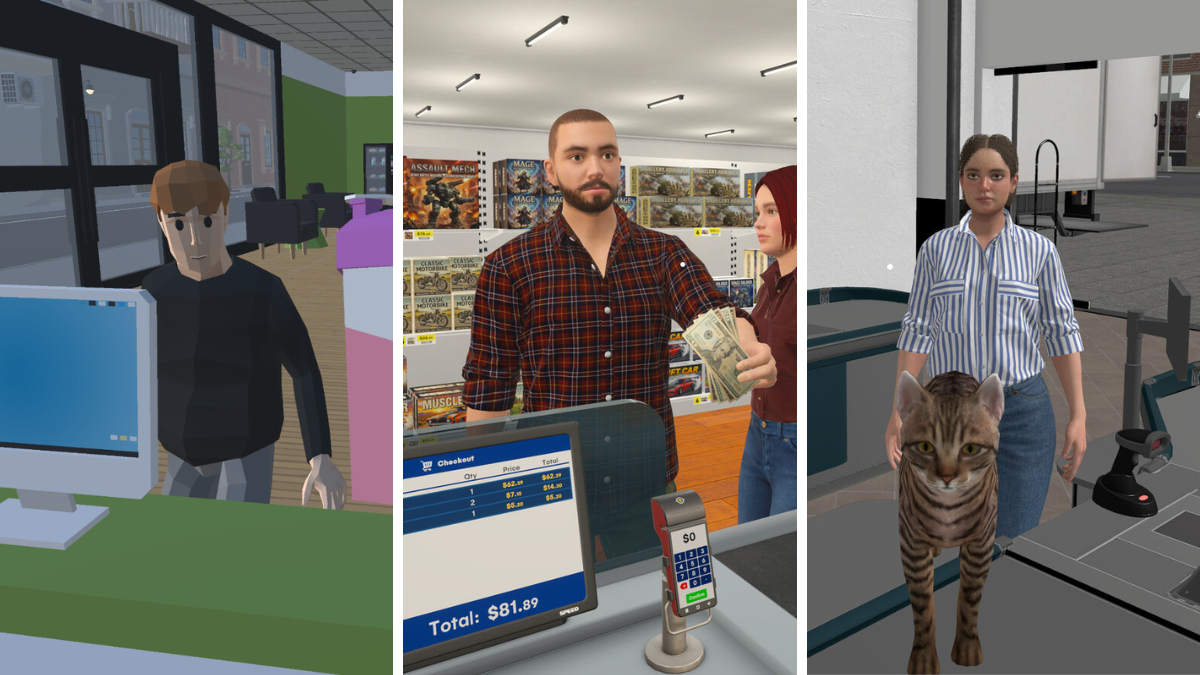
The Steam market is currently experiencing a peculiar phenomenon: an absolute deluge of retail simulators. This trend seems to have landed with torrential force in late 2024, spawning countless games that put players in the bizarre position of running mundane service jobs—from operating checkouts to stocking shelves.
While the sheer volume is staggering, the real fascination lies in how many of these rudimentary simulations manage to reach an audience. Many of these titles follow a remarkably similar formula: first-person experiences where the focus is on menial tasks, like unpacking boxes and managing inventory. They often share that eerily quiet aesthetic, placing players on seemingly identical retail streets.
Among the flood of creations released recently, several titles have managed to capture attention, proving that there is indeed a market for simulated retail life. For instance, Boba Cafe Simulator emerged as a standout, boasting over 7,523 concurrent players and attracting overwhelming positive reviews.
Other successful entries include Mall Together, which appeals more to the grand scale of building an entire shopping center, and Model Kit Shop Simulator.
Even more niche simulators exist, such as Shift at Midnight, a co-op horror experience where players must run a gas station and manage stock while hunting down suspicious figures.
Not all retail simulators follow this lucrative path. Some titles carve out their own unique identity. Bookshop Simulator, for example, offers a more stylized presentation and avoids the pervasive use of AI-generated capsule art that plagues many other entries in this genre.
The landscape is also shaped by prolific publishers, such as PlayWay, which has released an astonishing number of games. Industry observers suggest this high output points toward a centralized “ideas machine” that generates and vets concepts before commissioning development. This strategy involves pushing out a large volume of ideas, hoping that some will gain enough wishlists to secure release.
This approach often leads to what critics term “shovelware”—games developed quickly without extensive focus. While this risks generating numerous clones, it also occasionally yields successful hits like Low-Budget Repairs and Car Mechanic Simulator 2026, which have demonstrably resonated with players.
Ultimately, the retail simulation trend highlights a fascinating paradox: while there is genuine demand for deep, effortful experiences from dedicated studios, the market rewards the high-volume output of publishers. It seems that whether a sim hits the mark depends less on sheer volume and more on finding that elusive sweet spot between rapid development and genuine player engagement.
Buy on Amazon
Credit
