Jensen Huang denies China backdoors in AI models
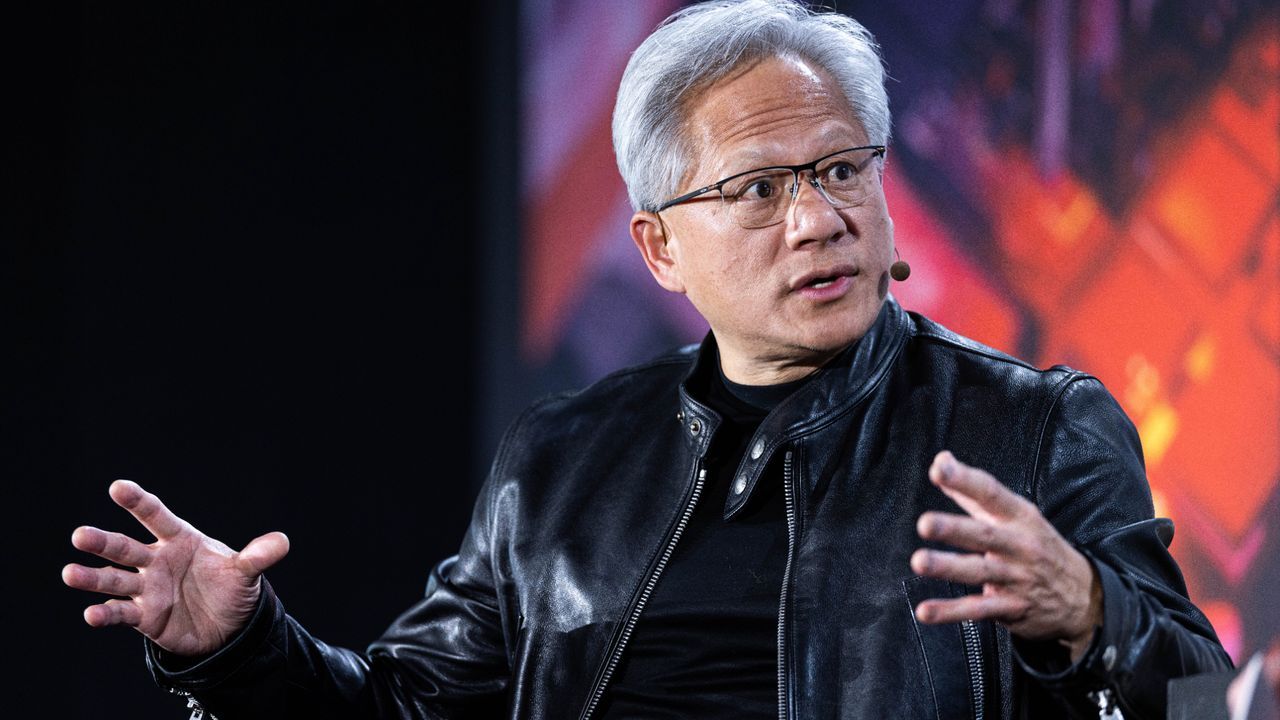
In the high-stakes global race for artificial intelligence dominance, a seemingly geopolitical debate is taking center stage: should American companies be permitted to utilize powerful AI models developed in China? The answer, according to industry heavyweight Nvidia CEO Jensen Huang, is an emphatic yes.
This perspective emerges amidst growing tensions. Reports suggest that Washington is exploring restrictions on access to certain Chinese AI technologies, driven by concerns over cybersecurity and national interests. However, Huang dismisses the idea of inherent danger, arguing that fears about backdoors are a misunderstanding of how modern open-source models function.
The core of Huang’s argument revolves around transparency and control. He contends that if access is restricted at the launch stage, it limits innovation. Instead, he advocates for a system where AI firms release their models widely, allowing the global community to inspect them, test them rigorously, and quickly implement fixes.
For Huang, this approach serves a critical security function. He points out that if all powerful AI capabilities were consolidated into a single model, it would create a massive, single point of failure—a vulnerability that could be easily exploited by hostile actors. By keeping the models open, he asserts, researchers and security experts can hunt for weaknesses and ensure system integrity.
This philosophy extends beyond just national security; it is rooted in technological resilience. Huang suggests that the ability to examine the underlying code allows for a decentralized defense mechanism, making the entire AI ecosystem safer and more robust than a closed system could ever be.
The trend toward open-weight models is also driving significant economic shifts. When highly capable, open-source alternatives—like China’s recent release of the 2.8T Kimi K3 model—arrive at a fraction of the cost of proprietary counterparts, they don’t stifle the market; they ignite it.
Huang notes that the negative reaction to cheaper, open models often stems from a misunderstanding of their effect on demand. Rather than cutting into data center capacity, these efficient models actually stimulate greater usage of AI technologies overall. This increased demand creates an incentive for companies to invest in more powerful infrastructure and high-performance GPUs.
Ultimately, the availability of these highly capable, accessible models drives the entire industry forward. By encouraging widespread use, open access fuels the necessary investment in data centers and hardware, which benefits everyone involved in the AI revolution.
Buy on Amazon
Credit