Kimi cuts prices but massive AI models still need serious hardware
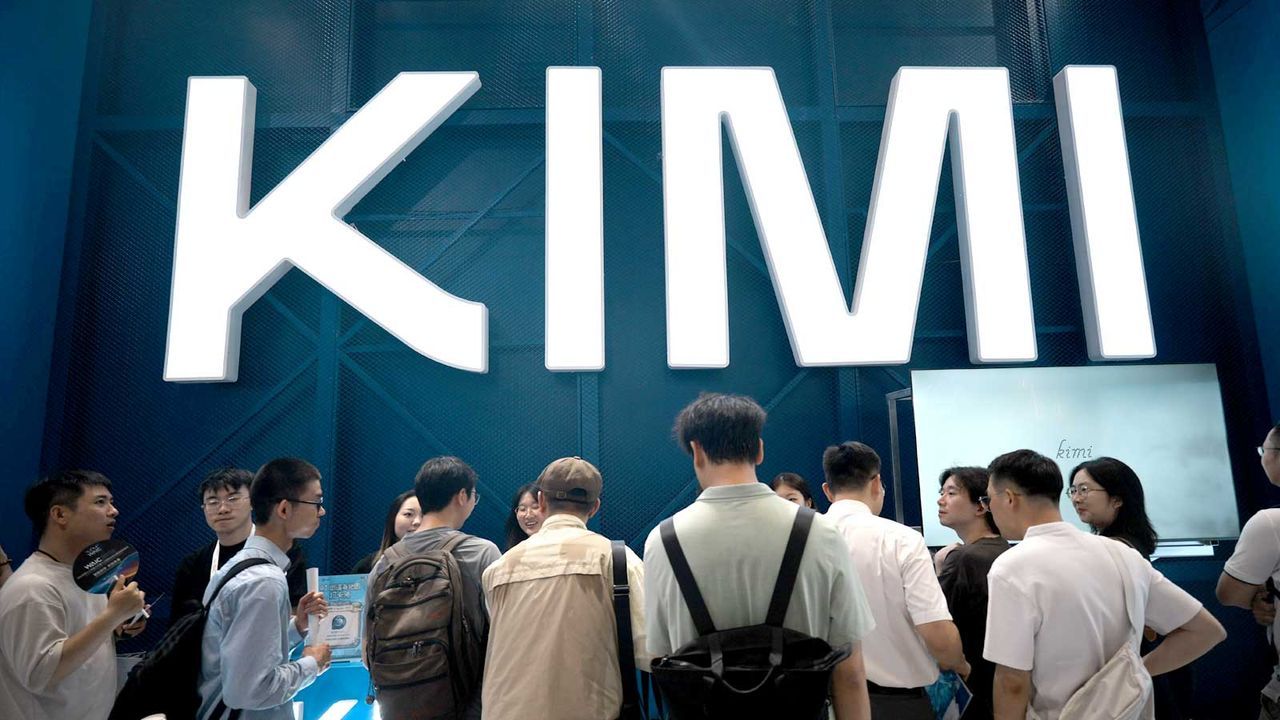
A seismic shift is underway in the global artificial intelligence landscape, driven by a surprising release from China’s Moonshot AI: Kimi K3. This new open-weight model, boasting an unprecedented 2.8 trillion parameters, didn’t just enter the market—it ignited a fierce debate among Western developers and sent ripples through the entire AI ecosystem.
Kimi K3 quickly established itself as a genuine contender for the top spot. Internal benchmarks suggest it competes directly with heavyweight models like GPT 5.5 and Claude Opus 4.8. The competitive edge was solidified when Arena.ai awarded Kimi K3 the number one position in its Frontend Code Arena test, even edging out competitors like Claude Fable 5.
But the real game-changer wasn’t just capability; it was efficiency. In a market increasingly focused on managing soaring operational costs, Kimi K3 arrives with a significant cost advantage. When compared to closed-source Western counterparts, the model’s pricing structure—for example, at $3/15 per million inputs and outputs—demonstrates remarkable affordability, drawing massive attention from companies seeking to cut their AI spending.
This efficiency is further amplified by technical prowess. Despite its colossal size, Moonshot achieved a sparsity ratio that is exceptionally high, meaning Kimi K3 activates only a fraction of its trillion parameters for any given task. This signals an impressive feat of engineering: achieving frontier-level performance while maintaining remarkable internal efficiency.
The implications extend beyond the digital realm and touch the physical world of hardware. To run such a massive system efficiently, Kimi K3 demands serious computational power, requiring up to 1.4 TB of memory. This necessity brings into focus the enduring tension in AI development: how do we balance cutting-edge performance with practical, accessible deployment?
While some wonder if this opens the door for a potential ban on Chinese AI models, concerns over data security remain central to international policy discussions. Yet, Kimi K3’s open-weight approach offers an alternative pathway. By releasing the model weights publicly, Moonshot allows organizations and developers to run the system themselves without reliance on proprietary cloud services, fostering widespread adoption.
However, efficiency doesn’t negate the infrastructure challenge. The demand for memory makers and high-end GPUs remains intense. While Kimi K3 is computationally lean in terms of active use, deploying a model of this scale still requires substantial physical hardware investment. This dynamic creates an interesting paradox: while cost reduction is achieved in the software, the massive appetite for memory and processing ensures that the demand for high-end silicon will continue to drive profits for those in the hardware supply chain.
Ultimately, Kimi K3 serves as a powerful reminder that cutting-edge AI is not just about raw parameter counts. It’s a complex negotiation between performance, accessibility, and physical reality. It shows that true disruption lies not only in model design but also in reshaping the economics of infrastructure, setting a new benchmark for what it means to be an efficient, world-class AI powerhouse.
Buy on Amazon
Credit